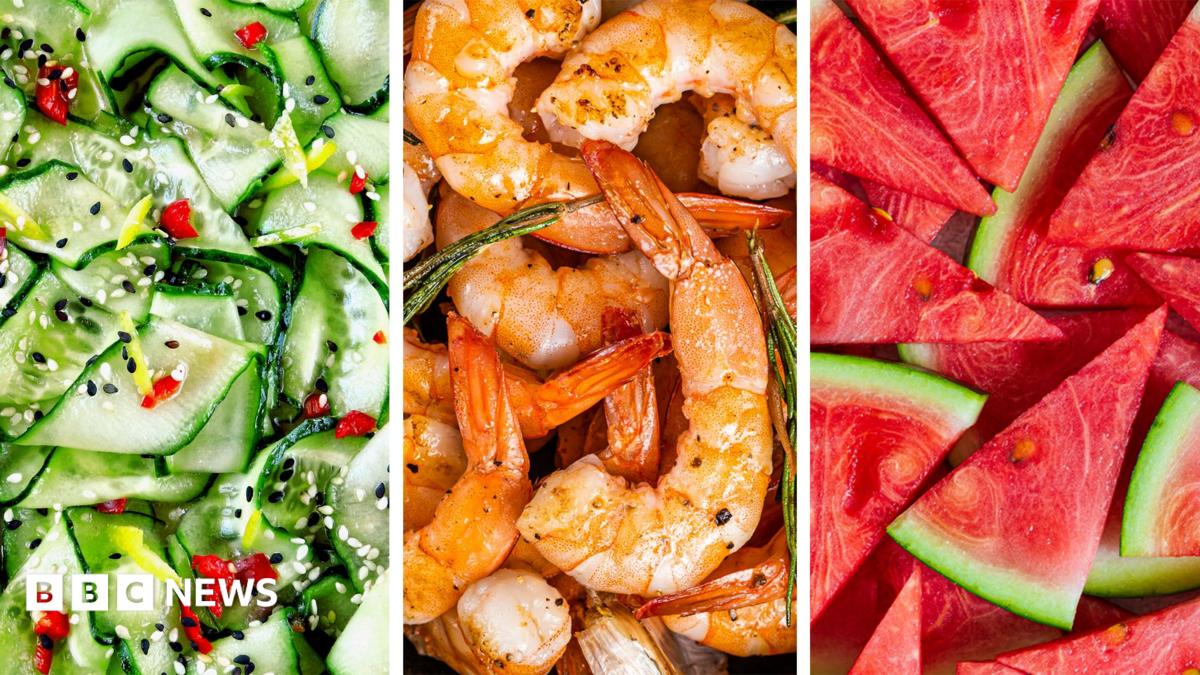
Nutrition experts quoted by BBC News say a heatwave is not the moment to build meals around extra protein. The more practical play is lighter food, cooler cooking, and enough simple staples, fruit, vegetables, yogurt, eggs, beans and fish to stay fed without turning lunch into another source of heat.
Why Heavy Protein Can Feel Worse In Heat
BBC News reported that Aisling Daly, a senior lecturer in nutrition at Oxford Brookes University, said people do not need more protein during a heatwave. The reason is thermogenesis: the body produces more heat while digesting protein than it does while digesting other food groups.
That does not mean avoiding protein entirely. The BBC article points readers toward lighter options such as pre-cooked meats, bean salads, eggs, lightly cooked fish and Greek yogurt, including frozen yogurt-style choices when the aim is to eat without making the day feel hotter.
The Kitchen Matters Too
The same BBC report treats the kitchen as part of the heat problem. A traditional oven can warm a room at exactly the wrong time, while air fryers use less than half the energy of conventional ovens and slow cookers release less heat even though they run for longer.
That makes the best heatwave food advice practical rather than dramatic: rely on meals that need little cooking, cook earlier if possible, and avoid making every plate depend on a hot oven.
What Belongs On The Plate
Fruit, vegetables and carbohydrates form the backbone of the lighter approach described by the BBC. Those foods can be easier to eat in hot weather and can be paired with modest protein sources rather than turning the meal into a steak-heavy test of endurance.
For vegetarian readers, the BBC mentions lentils, nuts and tofu among the options. The useful point is balance: enough protein to make a meal satisfying, but not a heatwave diet built around extra-heavy portions.
A Simple Heatwave Rule
The takeaway is not a complicated diet plan. It is a simple rule for hot days: keep meals lighter, keep the oven off when possible, and treat protein as part of the plate rather than the whole event.
Find more reporting in our Health section.
Related reading

Diet Drinks Equal Water for Weight Loss, SWITCH Trial Finds
A 104-week clinical trial published in the British Journal of Nutrition reveals that non-nutritive sweetened soft drinks perform...

UK Research and Innovation Launches £80m Dementia Challenge for NHS
UK Research and Innovation has launched an up-to-£80 million Dementia Challenge to test nine medical technologies within the...

Stanford Researchers Develop Urine Test to Accurately Diagnose Bladder Cancer
Researchers at Stanford Medicine and the VA Palo Alto Health Care System have developed a non-invasive urine test...

King’s College London and ZOE Seek 250,000 Volunteers for Bowel Cancer Study
Researchers at King’s College London and ZOE are recruiting 250,000 UK volunteers for the PROSPECT-UK study to investigate...