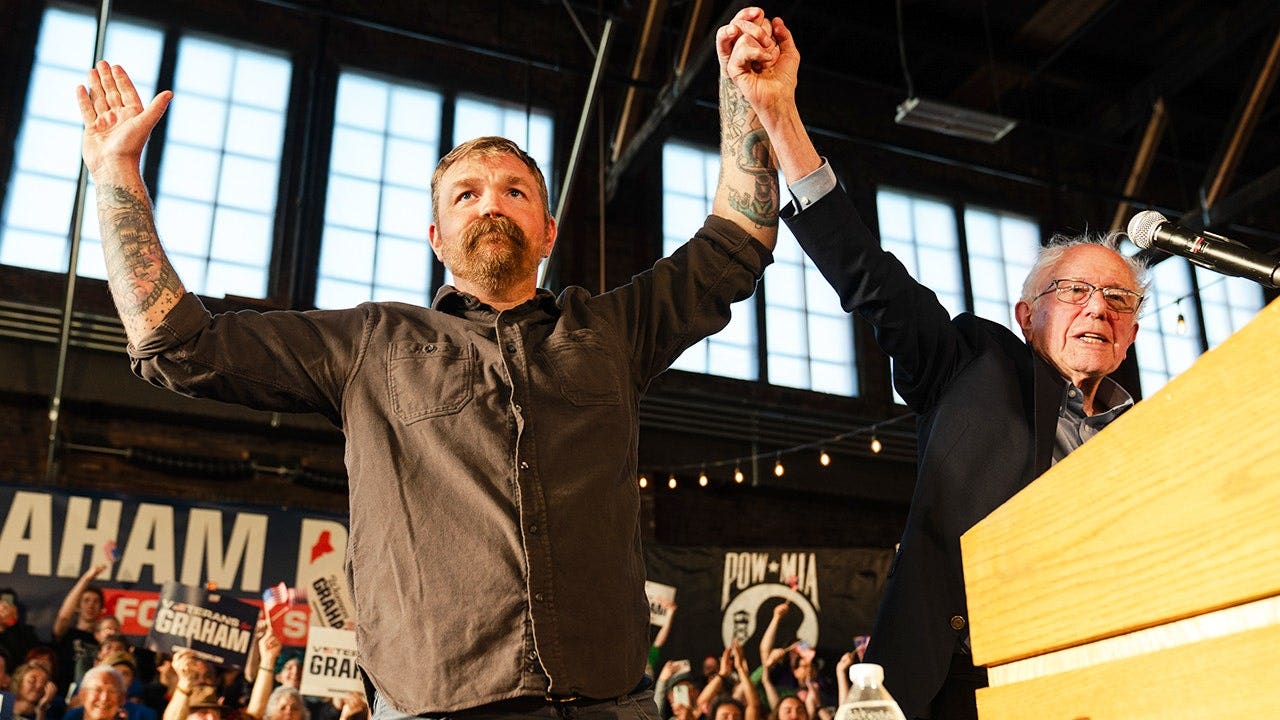
Maine Democratic Senate nominee Graham Platner faces mounting pressure to withdraw from the race following two separate sexual assault allegations reported this week. As party leadership and progressive allies rescind their support, Platner has until July 13 to decline the nomination, a deadline that will determine the viability of the Democratic ticket.
Mounting Allegations and Campaign Turmoil
The turmoil surrounding Graham Platner’s candidacy intensified after two women accused him of sexual assault. AP News, citing Politico, reported that a former girlfriend alleged Platner forced her to have sex in 2021 after she told him to stop; AP also reported that Platner denied the allegation. A separate Washington Post report detailed allegations from another former partner who said Platner removed protection without her consent during multiple sexual encounters between 2013 and 2015.
Platner has denied the allegations, characterizing them as categorically false and politically motivated. His campaign has also attempted to link the timing of these disclosures to the political affiliations of his accusers, specifically citing their support for conservative judicial nominees.
The disclosures have triggered a cascade of internal party friction. Within the context of modern political campaigns, the emergence of serious allegations involving sexual misconduct often triggers a rapid assessment of “electability” by party apparatuses. In the case of a federal Senate race, the withdrawal of support from high-profile senators and representatives serves as a signal to donors, super PACs, and local party activists that the campaign is no longer considered a viable vehicle for the party’s platform.
Progressive Allies and Party Leadership Abandonment
The political fallout has been swift, effectively isolating Platner from the coalition that helped him secure the nomination. Sen. Bernie Sanders, I-Vt., who had previously championed Platner’s insurgent campaign, issued a statement confirming he had spoken with the candidate and “recommended that he step aside.”
- Sen. Elizabeth Warren, D-Mass.: Withdrew endorsement and urged the candidate to leave the race.
- Rep. Ro Khanna, D-Calif.: Rescinded support and called for Platner to exit.
- Sen. Chris Van Hollen, D-Md.: Stated that “These allegations are serious and cannot be ignored. Graham Platner should step aside,” according to Fox News.
- Sen. Chris Murphy, D-Conn.: Formally abandoned the nominee in a social media post on Tuesday.
- Sen. Sheldon Whitehouse, D-R.I.: Withdrew support, saying people owed apologies to Lyndsey Fifield, a former Platner girlfriend who had previously leveled abuse allegations against the candidate.
The swiftness of these disavowals reflects a strategy common among national political parties: distancing the broader ticket from a candidate whose personal conduct could alienate swing voters or damage the party’s reputation in a high-stakes election cycle. When key figures like Senator Warren and Senator Sanders publicly withdraw support, it often creates a vacuum of funding and institutional organizational support that makes sustaining a statewide campaign logistically difficult.
The July 13 Deadline and Electoral Stakes
With Republicans currently holding a 53-47 Senate majority, Maine is viewed as a critical battleground for Democrats hoping to narrow the gap. Platner’s candidacy, which emerged after he defeated Gov. Janet Mills in the primary, has become a liability for the party’s broader ambitions.
Under Maine election rules, the candidate has until 5 p.m. on July 13 to formally decline the nomination. If he chooses to withdraw, the Maine Democratic Party has until July 27 to designate a successor, and ABC News reported that the state would not hold a new primary. The path forward remains uncertain because party officials would have to settle on a replacement process quickly and transparently while different wings of the party assess possible contenders.
The administrative process of replacing a candidate after the primary is governed by state-specific statutes. In Maine, the legal framework provides a specific window for candidates to withdraw, which serves to prevent ballot confusion while allowing parties to adjust to unforeseen circumstances. The July 13 deadline is a rigid statutory requirement; failing to meet it would result in Platner’s name remaining on the November ballot regardless of his personal intentions or the party’s preference.
As of Wednesday, the campaign has paused all advertising on Facebook and Instagram, and Platner has not issued a public statement since his video denial earlier this week. The cessation of paid digital media is a significant indicator of a campaign in crisis, as these platforms are primary tools for voter outreach and fundraising. Should he remain on the ballot, he faces an uphill struggle against five-term incumbent Republican Sen. Susan Collins, who has maintained her seat in Maine despite the state’s political leanings in presidential contests since 1988. The durability of an incumbent, particularly one with long-standing ties to the state, often complicates the efforts of challengers, and with the added weight of these allegations, the electoral math for the Democratic Party in Maine faces profound instability.
Find more reporting in our News section.
Worth a look

Omaheke Governor Pijoo Nganate Urges Sustainable Livelihoods for Returnees
"A commemoration must also challenge us to ask: What are we doing for the living? What are we...

Australian Soldier Killed and Five Injured in Northern Territory Training Crash
An Australian Army soldier died and five others sustained injuries on October 5, 2026, during a vehicle rollover...
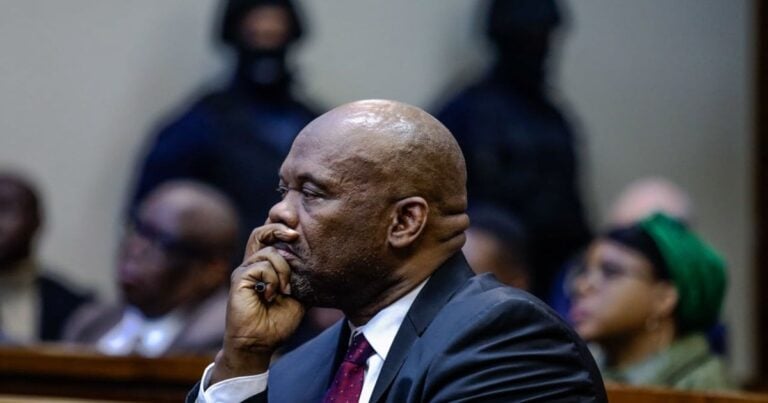
SAPS Denies Shadrack Sibiya Disciplinary Proceedings Have Been Halted
Suspended Deputy National Police Commissioner Shadrack Sibiya attended an internal disciplinary hearing held at the Kgosi Mampuru II...

US Evacuates B-1 Bombers From UK Base Over Suspected Iranian Plot
The United States evacuated a dozen long-range B-1 bombers from RAF Fairford in the United Kingdom following security...