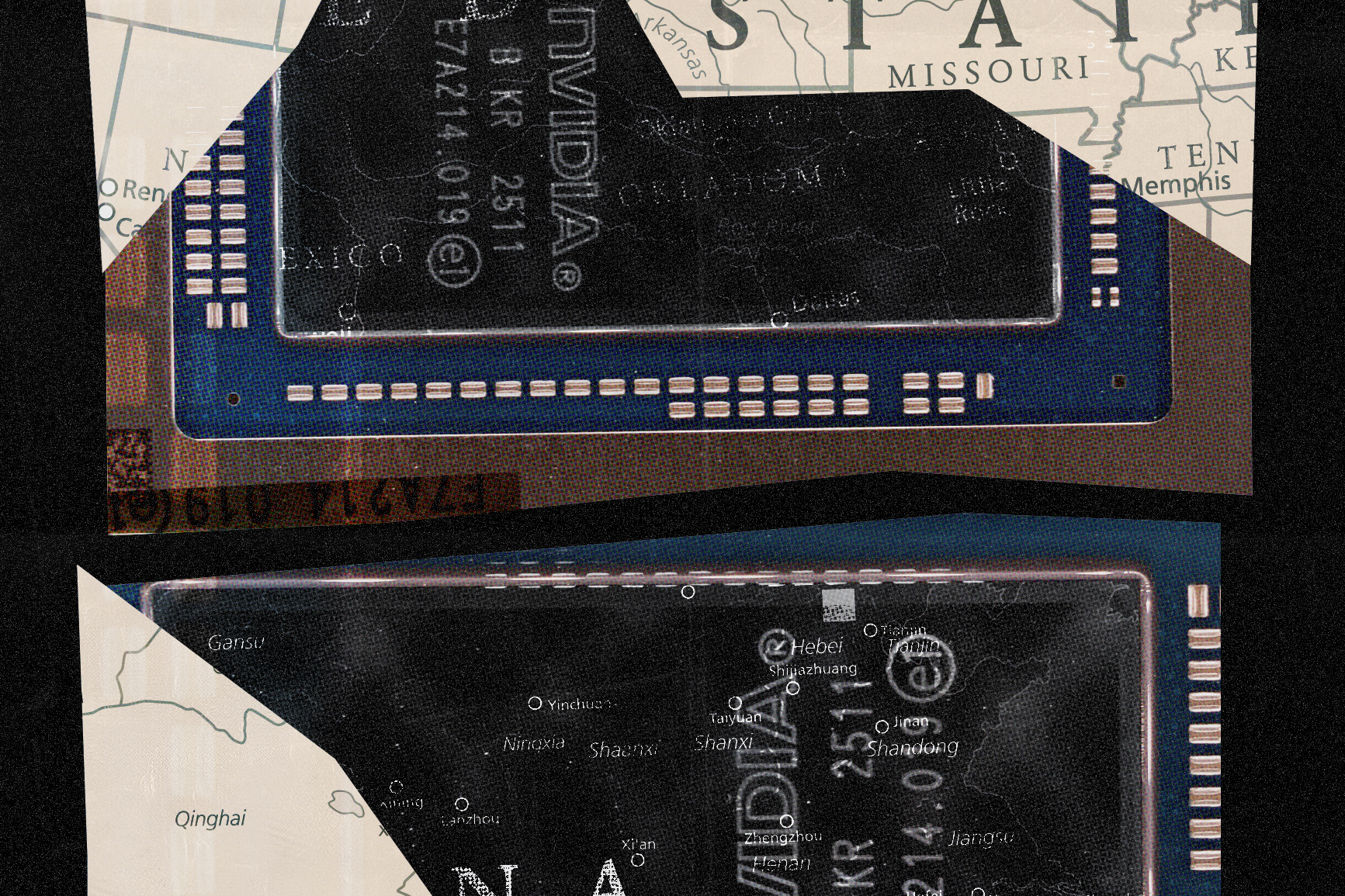
Nvidia’s board reinstated Jensen Huang as chief executive on Monday, six days after the chair said he would not return, as the chipmaker’s China sales and ties to a suspected spy ignited a political firestorm.
- Nvidia’s board reinstated Jensen Huang as CEO on Monday after previously rejecting his offer to return.
- President Donald Trump claimed credit for the reinstatement and said Attorney General Todd Blanche found no evidence of unlawful conduct by Huang.
- Huang is scheduled for transcribed interviews with three House committees on December 1.
- Nvidia created a board-level National Security and Export Control Oversight Committee chaired by director Suzanne Nora Johnson.
The reversal capped a whirlwind month that began with Huang’s admission of extramarital affairs, including one with Alice Huang, a business executive linked to Singapore-based cloud firm Megaspeed. Federal investigators are examining whether Nvidia’s advanced chips were diverted to China through Megaspeed, and the Justice Department has opened a criminal probe into potential export-control violations.
Huang resigned on November 12 after the board launched an independent investigation into reports he was targeted by a foreign intelligence operation. Former Synopsys chief executive Harvey Jones was named board chair and chief financial officer Colette Kress stepped in as interim CEO.
“I believe my intervention was very important,” Trump told CNBC on Monday, saying he spoke with Huang on Sunday and that the CEO assured him he would work harder than before.
“The board decided to do what we wanted them to do,” the president added, declining to say whether he called into the board meeting but noting, “Basically, I was represented at the board.” Trump called the reinstatement the “correct and proper decision” on Truth Social and said the country “needs Jensen’s leadership at NVIDIA in order to ensure the Success and Prosperity of not only the Company, but the American Economy.”
Washington’s China hawks gain momentum
The affair has reinvigorated lawmakers who want tighter guardrails on U.S. technology transfers to China.
Senate Democratic leader Chuck Schumer said the administration’s rush to reinstate Huang “underscores the need for Congress to act” and vowed Democrats would “wield their full power to investigate any wrongdoing” by the administration, Huang, other Nvidia executives and “anyone selling out our national security for financial gain.” The House Foreign Affairs Committee, the Select Committee on the CCP and the Intelligence Committee will question Huang on December 1; Nvidia general counsel Tim Teter appears before the same panels on December 2.
The Wall Street Journal reports that a year ago Huang called the term “China hawk” “a badge of shame” and “unpatriotic.” His ouster is now giving new momentum to policymakers seeking to regulate artificial intelligence and restrict U.S. business activity with China.
Claims that Nvidia customers funneled billions of dollars of sophisticated chips to Chinese AI companies have collided with a string of technological breakdowns — from a nationwide airline ground stop to bank-account glitches — amplifying congressional scrutiny.
For years Huang and his lobbyists barreled through Washington seeking to secure Nvidia’s right to sell its most powerful AI chips to China, making calls himself and lobbying “constantly and aggressively,” according to people familiar with the approach.
When lawmakers proposed in May 2025 requiring tracking technology on AI chips to deter smuggling, Nvidia pushed back. The company designed successive chip generations that stayed just below U.S. export thresholds, and Huang developed a close relationship with Trump to increase his influence, fostering mistrust among congressional aides and former officials.
The allure was straightforward: China hosts world-class AI experts building technology only months behind U.S. rivals, and they need data centers packed with top-flight chips. Nvidia’s filings show it depends on three big customers for almost half its revenue, and as major U.S. buyers design their own silicon, access to Chinese buyers became a strategic hedge.
In December 2025, Trump approved exports of Nvidia’s H200 chips to China — one generation below the flagship but a clear signal the administration was open to more advanced sales. By May 2026, the Commerce Department had signed off on nearly 580,000 chips, and Nvidia disclosed $2.4 billion in China sales under those licenses in the most recent quarter.
Megaspeed connection and the spy allegations
The timeline stretches back to March 2023, when 7Road International renamed itself Megaspeed International and expanded its AI-focused cloud business. Huang and Alice Huang were photographed together at the Computex conference in Taiwan in June 2024, and video footage reviewed by Reuters shows them at a private dinner in Taipei in May 2025.
The New York Times reported in October 2025 that federal investigators were examining Megaspeed’s activities and potential exports of advanced chips to China. On November 10, The Information reported that Huang’s affair facilitated the shipment of at least $7.5 billion worth of Nvidia chips to Chinese firms.
Commerce opened its investigation in 2024 and requested Nvidia’s records in May 2025. Nvidia placed Megaspeed on its “no sell” list in June 2025, and U.S. and Singaporean agents conducted an on-site check that month, interviewing Alice Huang. The Justice Department then took the lead on a criminal investigation.
On November 16, the Trump administration issued a rule restricting China’s access to advanced AI chips, requiring licenses for shipments to Singapore, Thailand, Malaysia, Indonesia and Brazil, and giving overseas data centers serving Chinese AI firms 90 days to obtain licenses. The rule also formally rescinded the Biden-era global AI chip rule; Commerce said the Treasury Department and National Security Council wrote it.
Nvidia creates board-level oversight committee for export controls
On November 17, Nvidia created a board-level National Security and Export Control Oversight Committee. Director Suzanne Nora Johnson, a former Goldman Sachs vice chair, chairs it with directors Stephen Neal and John Dabiri as members.
The company’s National Security Team and Global Trade Compliance Team will report to the committee, which will meet at least quarterly. Nvidia had no chief compliance officer, according to its 2026 proxy statement. Trump called the move a good idea.
Wall Street analysts on an August 2025 earnings call were told China represented a $50 billion-a-year opportunity. Shares had reached an all-time high of $239.24 just last month before the scandal erupted; Monday’s 33% jump to $165.57 still left the stock well below that peak.
Worth a look
- Final Avengers: Doomsday Trailer Spotlights Steve Rogers, X-Men, Fantastic Four
- RTÉ: U2’s ‘Carnaval De Luz’ Debuts at No. 4 on Billboard 200 for 14th Top-10 Album
- Huawei Launches OSTA Brand With O1 Pro Wide-Screen Phone in China (world-today-news.com)
- 3.6% for Social Security, 2.6% for FERS, and a Bill Still Pending for VA (daybreakwire.com)
Final Avengers: Doomsday Trailer Spotlights Steve Rogers, X-Men, Fantastic Four
"To me, my X-Men," James Marsden's Cyclops declares in the final trailer for Avengers: Doomsday, released Monday ahead...

RTÉ: U2’s ‘Carnaval De Luz’ Debuts at No. 4 on Billboard 200 for 14th Top-10 Album
U2's 16th studio album, Carnaval De Luz, debuted at No. 4 on the Billboard 200 chart dated this...

Hawkstone Farmers Choir performs at Royal Variety Performance
Choir of 34 farmers and agricultural workers sang at Royal Albert Hall on November 20 Group formed in...

Storage Shed Fire Reported at Will Smith and Jada Pinkett Smith’s $42M Calabasas Compound
A brush fire ignited a storage shed early Monday at Will Smith and Jada Pinkett Smith’s 150-acre Calabasas...