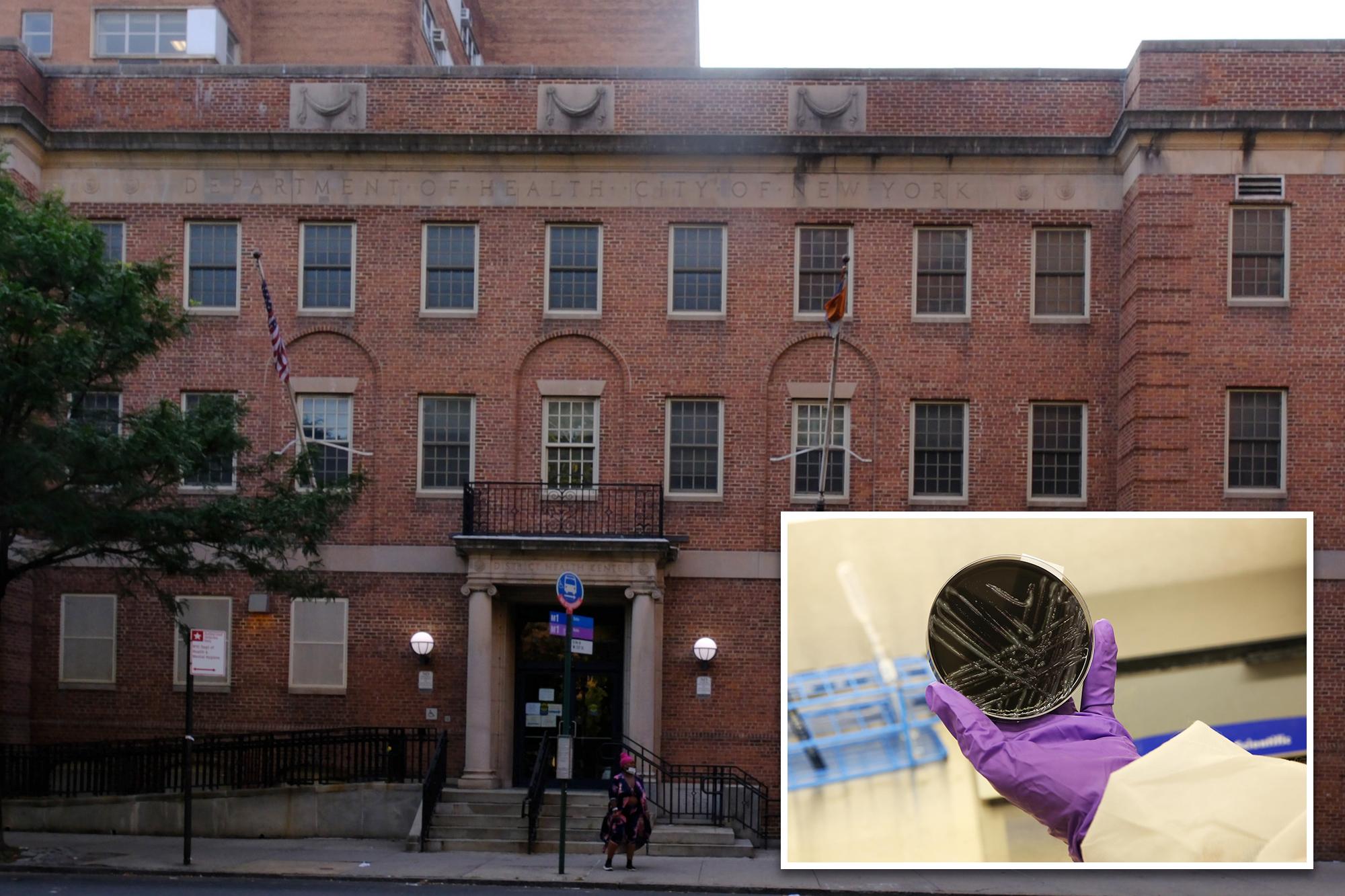
As of July 6, 2026, the New York City Health Department is investigating a cluster of 23 Legionnaires’ disease cases on Manhattan’s Upper East Side. The outbreak, centered in Carnegie Hill and Yorkville, has led to 17 hospitalizations. Officials are currently testing cooling towers in the area to identify the source of the bacteria.
Emergency Response in Carnegie Hill and Yorkville
The city’s investigation into the Upper East Side cluster intensified after health officials identified two cases suggesting a community source on July 2, according to Mirage News. By July 6, the case count reached 23, with 17 patients requiring hospitalization, as reported by USA Today. The affected neighborhoods fall primarily within ZIP codes 10028, 10128, and 10075.

Mayor Zohran Kwame Mamdani has directed the Health Department to mobilize more than 100 staff members to conduct testing. In an effort to increase transparency, the administration is releasing the addresses of any buildings where cooling towers test positive for Legionella bacteria during initial PCR screenings. Owners of these buildings are mandated to immediately drain, clean, and disinfect their cooling systems.
City Comptroller Mark Levine noted the technical challenges inherent in the process. “All cooling towers in area are being sampled and tested in the NYC Public Health Lab,” Levine wrote on X. “It unfortunately takes several weeks for cultures to grow.”
Legacy of the 2025 Harlem Outbreak
The current cluster on the Upper East Side has prompted heightened sensitivity due to the severity of the outbreak that impacted Central Harlem last year. That event, which concluded in August 2025, remains one of the largest in the city in a decade, with 114 total cases, 90 hospitalizations, and seven deaths, according to the New York Post.
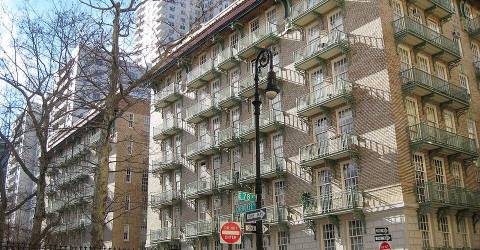
During the Harlem investigation, Legionella bacteria were identified at Harlem Hospital and a nearby construction site. Then-Mayor Eric Adams addressed the tragedy at the time, stating, “We must ensure that we learn from this and implement new steps to improve our detection and response to future clusters, because public safety is at the heart of everything we do.”
Data from the Centers for Disease Control and Prevention indicates that approximately 1 out of every 10 people who contract the illness “will die due to complications from their illness.” The mortality rate for outbreaks generally ranges between 5 and 15 percent, as reported by ourtownny.com.
Advocacy Groups Call for Legislative Reform
The recurring nature of these clusters has drawn criticism from the Alliance to Prevent Legionnaires’ Disease (APLD). The group argues that the city’s current strategy is overly focused on reactive measures rather than systemic prevention. Bob Bowcock, an APLD board member and water expert, stated, “Recurring clusters of Legionnaires’ disease cases should serve as a wake-up call.”
The organization is pushing for New York to adopt a “source-to-tap” strategy similar to legislation enacted in New Jersey in September 2024. According to the APLD, the proposed strategy includes:
- Monitor public water distribution systems to kill Legionella before it reaches buildings.
- Improve coordination between public water systems and building owners.
- Require building water management plans that adhere to ASHRAE Standard 188-2021.
- Enhance public education regarding symptoms and high-risk factors.
The APLD contends such a framework would require mandatory water quality testing, infrastructure upgrades, and coordinated oversight to curb outbreaks before they begin. ASHRAE Standard 188, which the group references, provides minimum requirements for water management programs to reduce the risk of Legionella growth in building water systems, focusing on the identification of hazardous conditions and the implementation of control measures.
Public Health Guidance and Ongoing Monitoring
While the investigation continues, the Health Department maintains that Legionnaires’ disease is not contagious and cannot be contracted through drinking water or cooking. The primary risk factor involves breathing in contaminated water vapor, often generated by cooling towers, hot tubs, or large air conditioning systems.
Residents in the affected areas who develop flu-like symptoms—such as fever, cough, or difficulty breathing—are advised to seek medical attention immediately. This is particularly critical for individuals over 50, smokers, or those with weakened immune systems, who remain at the highest risk for severe outcomes.
Despite the ongoing investigation, city officials have stated that cooling centers and air conditioning units remain safe to use during the current heat wave. The focus remains on the identification of specific environmental sources, with building management at various sites working alongside the city to remediate any positive test results found within plumbing or cooling infrastructure. As the NYC Public Health Lab continues to process samples, the city remains in a state of heightened surveillance to prevent additional transmissions.
Find more reporting in our Health section.
Related reading
Diet Drinks Equal Water for Weight Loss, SWITCH Trial Finds
A 104-week clinical trial published in the British Journal of Nutrition reveals that non-nutritive sweetened soft drinks perform...

UK Research and Innovation Launches £80m Dementia Challenge for NHS
UK Research and Innovation has launched an up-to-£80 million Dementia Challenge to test nine medical technologies within the...
Stanford Researchers Develop Urine Test to Accurately Diagnose Bladder Cancer
Researchers at Stanford Medicine and the VA Palo Alto Health Care System have developed a non-invasive urine test...

King’s College London and ZOE Seek 250,000 Volunteers for Bowel Cancer Study
Researchers at King’s College London and ZOE are recruiting 250,000 UK volunteers for the PROSPECT-UK study to investigate...