New York’s grid operator warned Wednesday that the state will not have enough electricity to meet demand starting in 2033, the first time a statewide shortfall has appeared inside its ten‑year planning horizon.
The New York Independent System Operator projects a 225‑megawatt gap in 2033 that widens to more than 1,800 megawatts by 2036 — roughly the power used by 1.8 million households — as aging plants retire faster than new resources come online. Because transmission bottlenecks keep upstate power from reaching New York City and the lower Hudson Valley, reliability problems could surface there as early as 2032, the operator said.
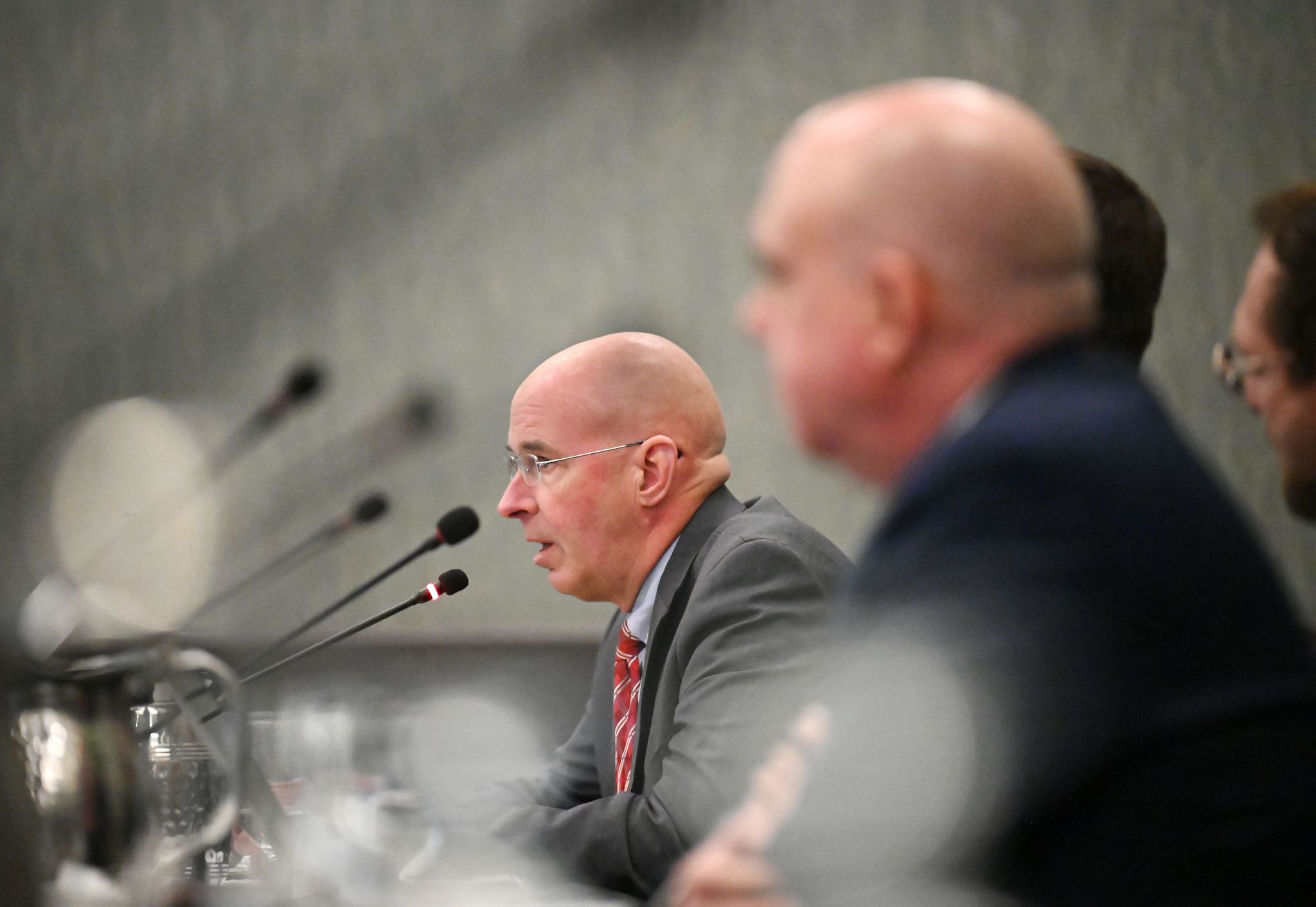
“There is insufficient planned supply in New York State to reliably meet forecasted demand beginning in 2033,”
NYISO considers the system inadequate when it expects a “loss of load event” — a blackout — at least once every ten years. That threshold is crossed in 2033 and the risk multiplies more than fivefold by 2036. The only scenario that avoids a shortfall is an economic slowdown; if data centers or other large loads arrive faster than forecast, the crunch arrives sooner.
Aging fleet, rising demand
New York has the oldest generation fleet in the nation, and a significant portion will top 70 years old by 2036, “well beyond the life expectancy of these types of facilities,” the operator warned. Unexpected deactivations, equipment failures and extended maintenance have already cut available generation, the assessment said.
At the same time, demand is climbing. Micron’s semiconductor campus in Syracuse and a wave of data centers powering artificial‑intelligence tools are set to join the grid over the next decade. Upstate manufacturing renaissance and downstate electrification mandates pull in opposite directions, but both add load.
“New York’s reliability needs are no longer a distant concern,”
Nuclear bet, renewable reality
Gov. Kathy Hochul is advancing a plan to build more nuclear capacity in New York than the rest of the country has added in the last 30 years. The state’s four existing reactors supply roughly 20 percent of its electricity.
Hochul said Wednesday the administration is “leaning into wind and solar and geothermal,” but called nuclear “the most sustainable, the most reliable and ultimately, when it’s all done, the most affordable way we can power our state.”
Renewables built in recent years do not produce as consistently as the fossil‑fuel plants they replace. If projects currently in the pipeline slip, the first reliability shortfalls could hit as early as 2029, NYISO said. Without new infrastructure, the state will grow increasingly dependent on electricity imports from neighboring grids.
Transmission is the choke point
Adding generation in far Western New York or the North Country does not solve the downstate deficit because the transmission system cannot move the power where it is needed. NYISO said developing 1,850 megawatts of new capacity — plus the lines to deliver it — requires immediate attention. Siting, permitting and construction typically span a decade, meaning decisions made in the next two years determine whether the lights stay on in 2033.
New York State, the fourth most populous in the nation with over 20 million residents, is defined by a geographic split that mirrors its electricity crisis. Downstate — encompassing New York City, Long Island, and the lower Hudson Valley — holds roughly two-thirds of the population on a fraction of the land, while the larger Upstate region stretches from the Great Lakes to the Adirondacks and Catskills.
The state’s modern economic ascent began with the Erie Canal in the early 19th century, a massive infrastructure project that unlocked the interior and earned New York the nickname “Empire State.” Today, the transmission bottlenecks separating upstate generation from downstate demand echo that historic divide.
The next Reliability Needs Assessment is due in two years.
Worth a look

Nebraska Routs South Dakota 73-47; Meme Army Crowns Lewis and Clark Winner
Nebraska basketball turned a sluggish first half into a 73-47 rout of South Dakota, but the real competition...
More Than 5,500 Still Without Power as Bay Area Rain Stretches Into Afternoon
More than 5,500 PG&E customers remained without electricity Wednesday night, hours after the atmospheric river dumped record rain...

UMass Tennis Signs Estonian Marie Johanna Lapimaa, Croatian Lara Šeric for 2027-28 Season
University of Massachusetts tennis coach Juancarlos Nunez signed Estonian Marie Johanna Lapimaa and Croatian Lara Šeric for the...
Codyone Cameron Asks Wisconsin to Investigate Anti-Abortion Center After Losing Fertility
Codyone Cameron is asking Wisconsin officials to investigate the anti-abortion center that misdiagnosed her ectopic pregnancy, the Center...