
Oregon voters decide between two paths for transportation funding
As winter approaches, the Oregon Department of Transportation (ODOT) is bracing for the seasonal demand of keeping roads clear and safe, even as the agency faces a tightening grip on its available resources. The upcoming gubernatorial election on Tuesday presents voters with a fundamental choice regarding how the state manages its infrastructure: whether to continue with current funding structures or pivot toward a model that prioritizes daily maintenance over major capital projects.
According to reporting from KATU, ODOT is currently working with a two-year budget of approximately $6.3 billion. However, the agency’s ability to shift those funds to meet immediate needs, such as winter weather response, is heavily restricted by existing laws and legislative mandates. This lack of flexibility has turned the state’s transportation priorities into a central campaign issue for the candidates vying for the governor’s mansion.
The stakes for Oregonians are practical and immediate. For commuters, the debate dictates the quality of road surfaces and the speed of snow removal; for the business sector, it influences the reliability of supply chains and the long-term viability of major infrastructure like the Interstate Bridge Replacement project. The tension lies in a widening gap between what is required to maintain a modern transit system and what the state is legally and financially permitted to spend.
The $200 million maintenance gap
While many see the big-ticket items like the Rose Quarter project, the internal math at ODOT reveals a more persistent struggle with the basics. A spokesperson for the department told KATU that the funding gap for maintenance and operations in the 2025-2027 biennium sits at roughly $200 million. Simply moving money away from large-scale construction projects would not be enough to bridge this divide.
The department’s current budget allocation is strictly compartmentalized:
| Allocation Category | Percentage of Budget |
|---|---|
| Project Delivery and Support (Preservation, Bridges, Capital) | 35% |
| Administrative Services, Policy, and Debt Service | 20% |
| Public Transportation | 11% |
| Everyday Maintenance (including Winter Response) | 10% |
| Interstate Bridge Replacement Project | 7% |
| Local Governments | 7% |
| Department of Motor Vehicles (DMV) | 6% |
| Commerce and Compliance | 2% |
ODOT officials attribute this structural deficit to a combination of flat gas-tax revenue, rising inflation, and legal limitations on how funds can be utilized. Earlier this year, Oregon voters rejected a transportation funding plan that would have increased taxes and fees, leaving lawmakers to redirect existing funds as a temporary fix. The department has noted that this was a short-term measure that failed to address the underlying financial challenges.
Competing visions for the state’s roads
The candidates for governor are offering starkly different philosophies on how to resolve this impasse. Governor Tina Kotek, seeking re-election, is leaning into a collaborative, review-based approach. She recently convened a workgroup to examine transportation needs and funding priorities, with the goal of using their findings to shape the 2027 legislative session.
Kotek has stated that her future budget priorities will center on “affordability, accountability, safety, and economic vitality for Oregon’s transportation system.” This approach suggests a continued focus on long-term planning and potentially finding new ways to sustain both major projects and daily operations.
On the other side of the aisle, Republican challenger and State Senator Christine Drazan argues for a return to fundamentals. Drazan’s platform focuses on redirecting ODOT toward its “core work”—specifically daily operations and maintenance—without implementing new taxes. She has been vocal about the need for fiscal discipline within the agency.
“Taxpayers shouldn’t be expected to write a blank check for mismanagement and misplaced priorities. It’s time to deliver results,” Drazan said.
This debate is not just about the governor; the composition of the Oregon Legislature will act as the ultimate gatekeeper for these policies. If Democrats maintain their three-fifths supermajorities in both chambers, they retain the power to pass new taxes without Republican support. However, if Republicans secure even a few additional seats, the ability of the majority party to move forward with tax-based funding solutions could be significantly diminished.
As the vote approaches, the decision extends beyond a single name on a ballot. It is a decision on whether Oregon will continue to fund the ambitious, large-scale projects that define its future growth, or if the state will retreat to a defensive posture, focusing its limited resources on the immediate necessity of keeping existing roads functional.
Related reading
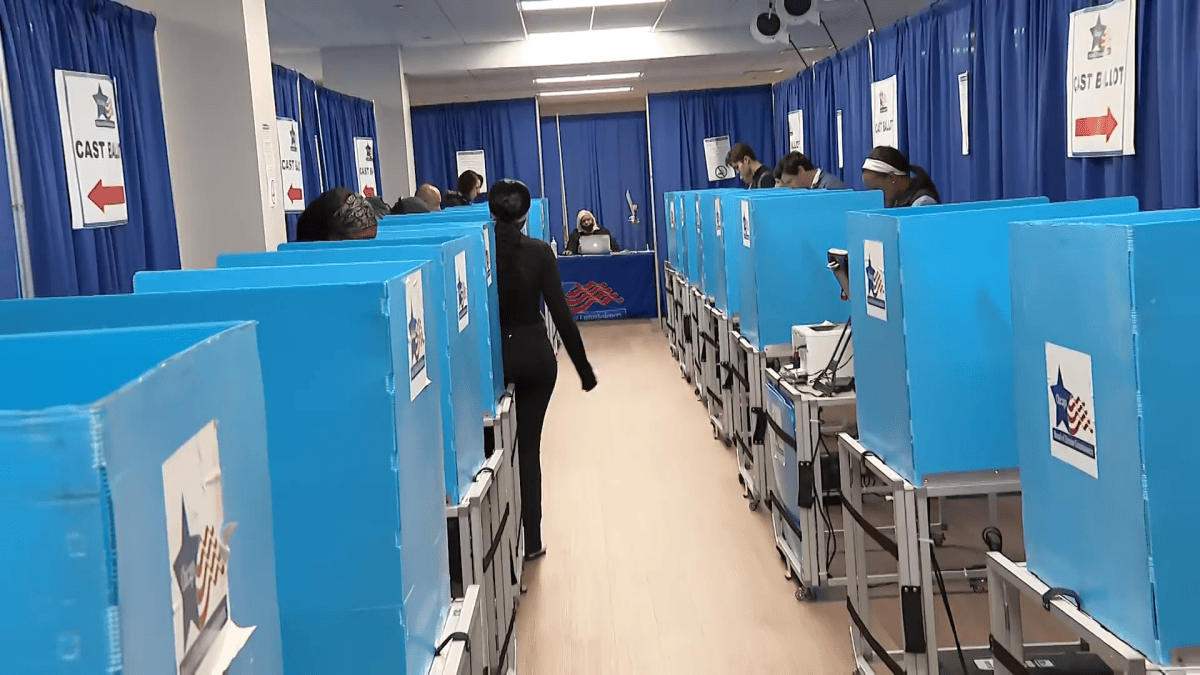
Cook County Ballot Questions Include Millionaire Tax and School Bonds
Illinois voters face a non-binding millionaire tax question this Election Day As Cook County residents head to the...
Idaho Falls Plans Safety Improvements for 15th East and 49th South Intersection
The intersection of 15th East and 49th South in Idaho Falls is slated for a significant safety overhaul...
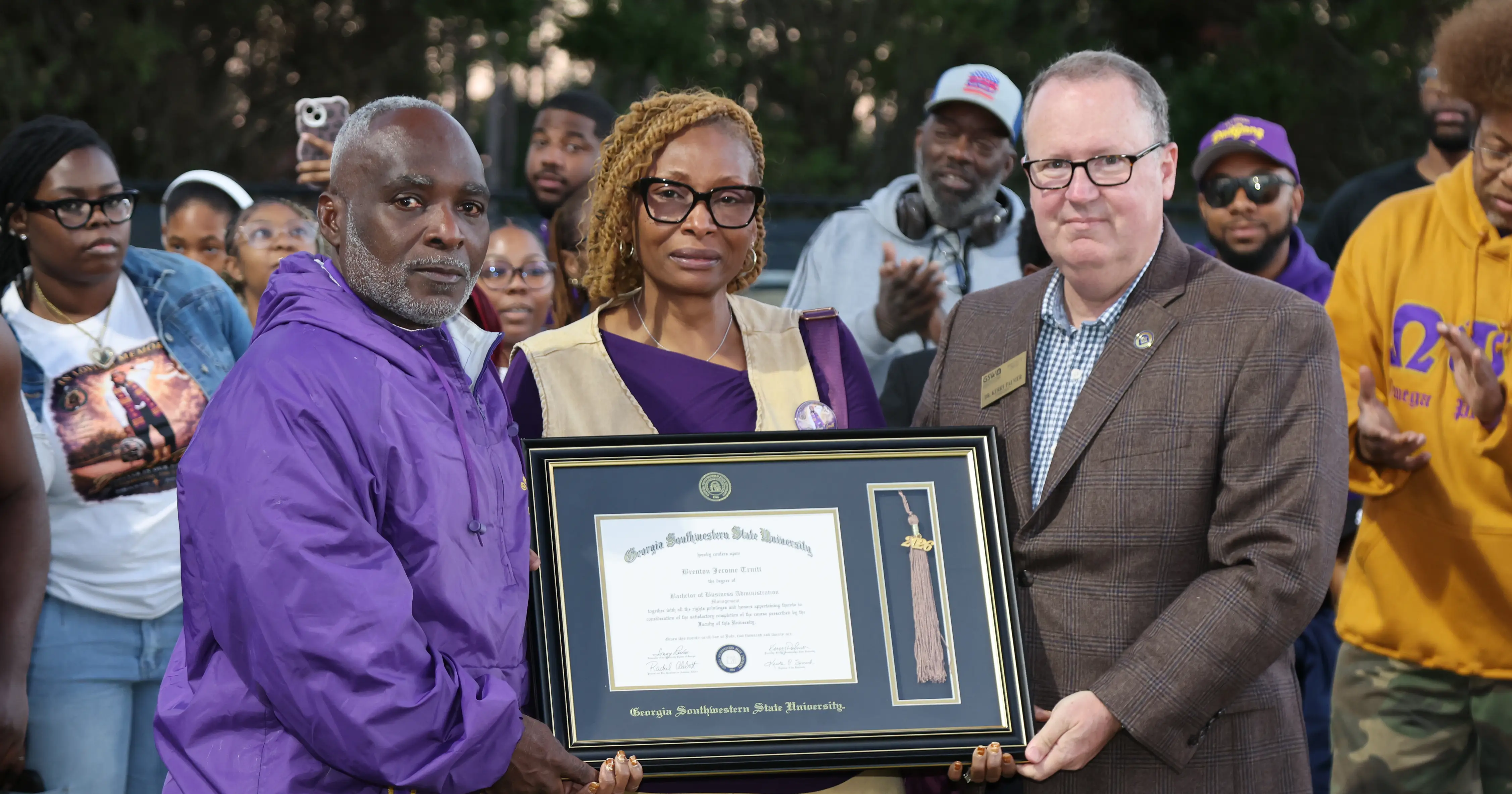
GSW Awards Posthumous Degree to Brenton Truitt Honoring Family Legacy
A legacy honored at Georgia Southwestern Homecoming The tradition of homecoming often centers on the excitement of football...

Charles Orlando Hovey Jr., 96, Veteran and Yacht Broker
Charles Orlando Hovey Jr. passes away in Laguna Beach at age 96 Charles Orlando Hovey Jr., known to...