
Oklahoma is still waiting for the U.S. Department of Energy to name the three states that will host a new generation of nuclear lifecycle campuses, a decision expected before the end of 2026 that could reshape the state’s energy economy and revive a complicated atomic legacy.
The DOE announced in July that Oklahoma, Utah, Tennessee, Louisiana and Idaho were the five finalists chosen from 28 submissions representing 26 states, KGOU reported. Since then, the timeline has tightened: Energy Secretary Chris Wright said in October that multiple states would be selected, but the final pick now hinges on Congress passing authorizing legislation in the coming weeks.
“DOE is committed to continuing this campus idea and this effort going forward,” Jeff Starling, former state secretary of energy and environment and current director of the Hamm Institute for American Energy, told KGOU. “The timeline just might change a little bit depending on what Congress does here in the next few weeks.”
Ten Oklahoma Communities Remain in Contention
About 20 to 25 Oklahoma communities initially expressed interest, a figure that has narrowed to roughly ten, according to State Rep. Nick Archer, R-Elk City, who chairs the Oklahoma House Energy Committee.
News 9 confirmed that Mangum, Altus, Elk City and Woods County near Alva have submitted formal requests. Oklahoma City, Tulsa and Stillwater have said they are not pursuing the project, while Enid supports the state’s bid but is not seeking a site itself.
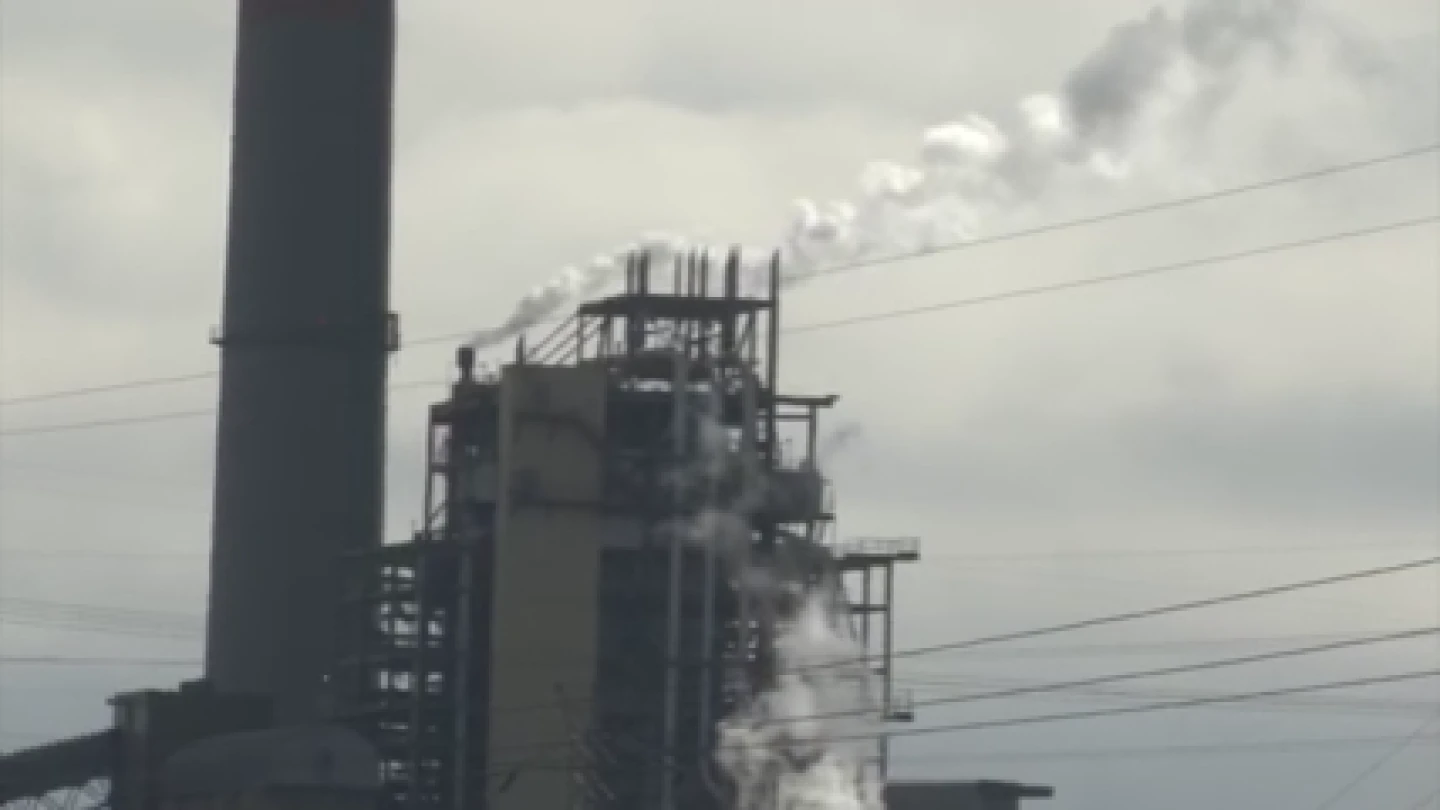
The DOE’s concept bundles three functions: power generation, recycling and refueling spent nuclear fuel, and final waste disposal. Archer said the federal proposal estimates the campus could create between 20,000 and 25,000 jobs with average salaries of $70,000 to $80,000.
“It’s a massive economic opportunity in the state of Oklahoma,” Archer told News 9. He added that spent fuel retains about 95% of its potential energy after reactor use, and a domestic recycling capability would reduce reliance on foreign supply chains.
Legacy Contamination Fuels New Waste Debate
Oklahoma has never generated commercial nuclear power, but it once hosted Kerr-McGee fuel processing plants and a Sequoyah Fuels uranium conversion facility in Vian that shut down in 1993 after two accidents and environmental violations. The state is still remediating the Kerr-McGee site in Logan County, which closed more than 50 years ago.
Archer dismissed safety concerns tied to that history, telling KOCO that regulations have changed dramatically since the 1970s. “We smoked in hospitals then, we smoked on airlines. A lot of things have changed since the mid-’70s,” he said.
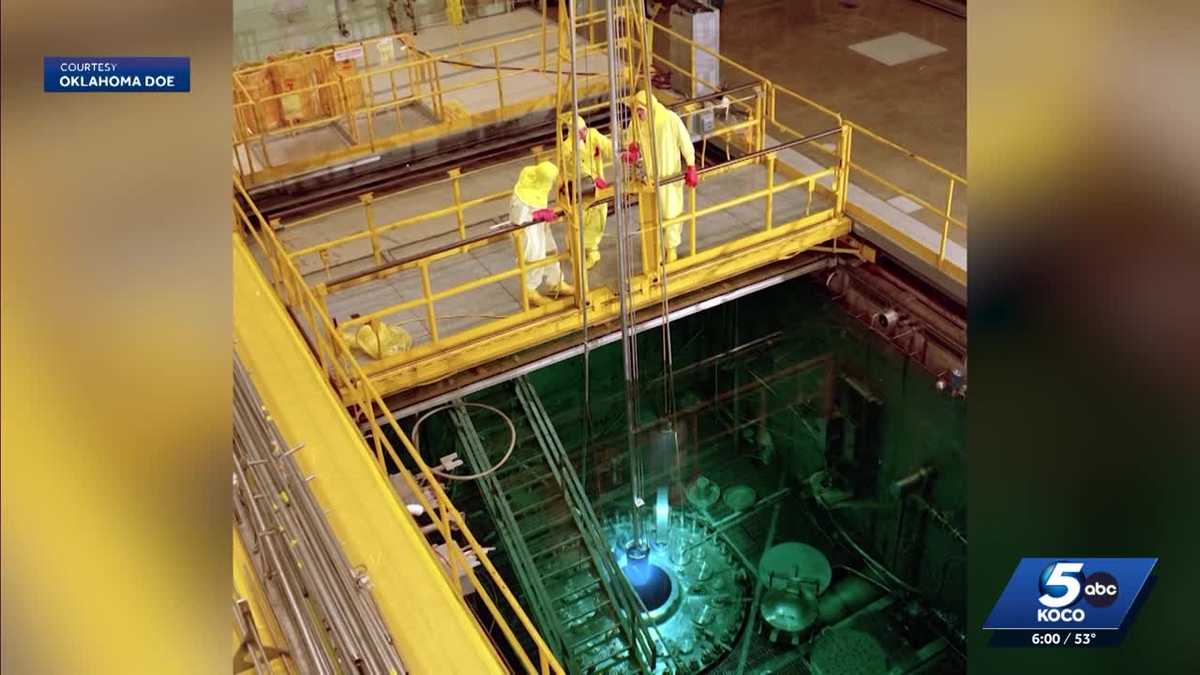
Critics argue the campus model is a Trojan horse for waste disposal. Edwin Lyman of the Union of Concerned Scientists told KOCO the federal government is “trying to find a dumping ground for radioactive waste that other states don’t want, and dressing up, you know, in a pretty package, with promises of economic benefits.”
At a November panel hosted by environmental groups Honor the Earth and L.E.A.D. Agency, Ashley Nicole Leitka, director of the Department of Sovereignty and Self-Determination at Honor the Earth and an enrolled member of the Absentee Shawnee Tribe, warned that the federal push for nuclear energy and co-located data centers could threaten tribal sovereignty.
“Sovereignty is very powerful — it is a representation of what will happen to everybody else,” Leitka said.
Private Partners Propose Deep Borehole Storage
Oklahoma’s application lists Oklo, Deep Isolation and Occlusion Nuclear Solutions as private partners. Deep Isolation, based in Texas, proposes storing waste in deep horizontal boreholes lined with steel canisters — a method distinct from the mined repository model long planned for Yucca Mountain. As of mid-November, the DOE said it was still negotiating with the finalist states.
“There’s a wide recognition that nuclear energy is an energy source of the future, and there’s widespread support and understanding that for it to be an energy source in the future, you have to deal with the back end of the fuel cycle,”
The U.S. Department of Energy, a Cabinet-level agency created in 1977, manages 17 national laboratories such as Oak Ridge, Los Alamos, Sandia, and Lawrence Berkeley. Its dual mission covers energy security and nuclear security, including oversight of the nation’s nuclear weapons stockpile and environmental cleanup at former nuclear sites — a legacy that echoes Oklahoma’s own remediation of the Kerr-McGee facility.
The U.S. House Committee on Energy and Commerce examined the lifecycle campus plans in September, and bipartisan support for nuclear expansion exists in Congress. But whether incoming lawmakers will pass the necessary legislation before the DOE’s year-end target remains the critical unknown. Woods County Economic Development Director Jeremy Zeller captured the mood in rural Oklahoma: “It would be wise just for us to listen and learn.”
Keep reading

Paolo Banchero Stays Mentally Engaged During High Ankle Sprain Rehab to Avoid Past Mistakes
“They were all very much forward with making sure I’m watching film with them on the road, making...

Hour Detroit Magazine Highlights Four Detroit Hotel Restaurants
Detroit's hotel restaurants have stopped feeling like afterthoughts and started feeling like destinations, Hour Detroit Magazine reported in...

Kala Flannigan Dies Saving Dog After Brother Sets House Fire
Kala Flannigan was already out of the burning townhouse when she turned back toward the second-story window to...
North Dakota vs Cambodia: Size and Population Comparison
North Dakota and Cambodia occupy almost the exact same footprint on the planet — separated by roughly 800...