Mississippi gardeners can now match their spring planting to the calendar the Old Farmer’s Almanac builds from decades of frost records for the Magnolia State.
The Almanac’s new ZIP-code tool shows exactly when to start seeds indoors, transplant seedlings, sow directly, and plant a final crop for dozens of vegetables — windows calculated from the average last spring freeze and first fall freeze at each Mississippi location, the publication reported.
“USDA zones describe winter temperatures and help gardeners choose perennial plants, whereas spring and fall frost dates determine when gardeners can plant vegetables,” the Almanac explains. “That’s why this calendar uses your ZIP code to provide more accurate planting dates for annual plants.”
Cool-season crops such as lettuce and tender greens “cannot grow through hot summer weather and will need to ‘take a break’ until conditions cool again,” the guide says, so the chart flags a mid-summer gap before a fall planting window reopens.
Rows list each vegetable with four columns: Start Seeds Indoors, Transplant Outdoors, Direct Sow, and Last Planting Date. “N/A” marks methods not typically recommended for that crop, and any variety whose Last Planting Date has passed appears greyed out.
An optional Moon-favorable toggle overlays traditional lunar phases on the frost-based windows for gardeners who follow that practice; the feature does not change the underlying frost dates.
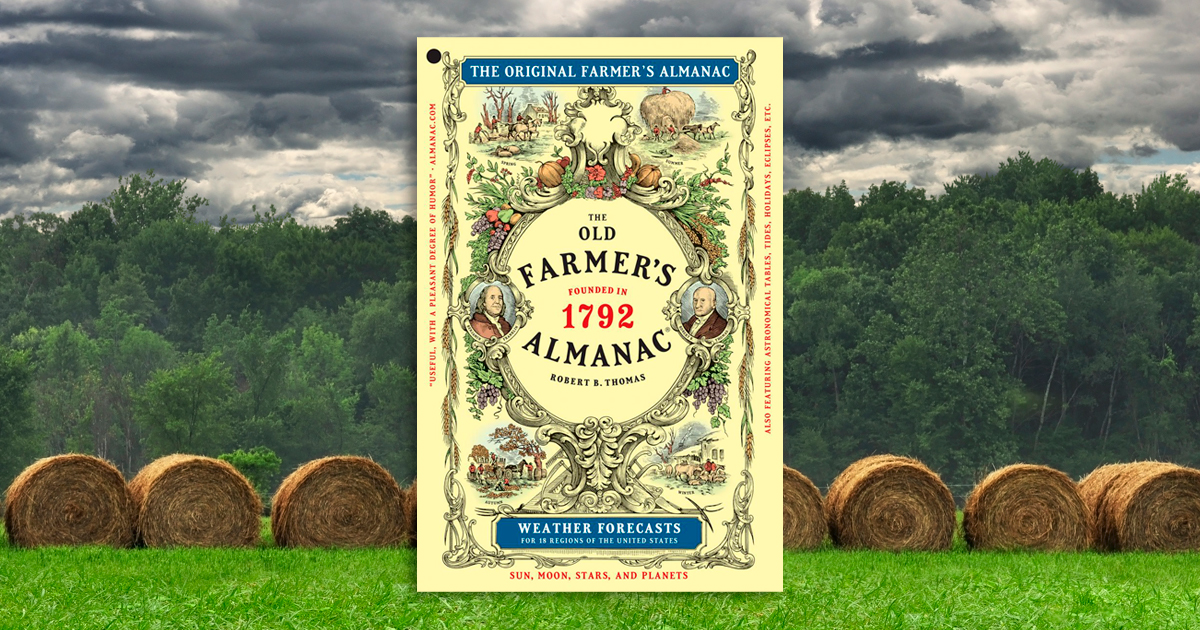
The Old Farmer’s Almanac, founded in 1792 by Robert Bailey Thomas in Dublin, New Hampshire, is the oldest continuously published periodical in North America. Thomas developed a secret weather forecasting formula based on solar activity and astronomy cycles that remains in use today, kept in a black tin box at the Almanac offices.
Distribution tripled to 9,000 copies by its second year, and the word “Old” was added to the title in 1832 after the publication outlasted similarly named competitors. Yankee Publishing Inc. acquired the rights in 1939 and also produces a Canadian edition covering all of North America.
Flower timing, the Almanac adds, works differently — depending on hardiness, growth speed, and whether the plant is an annual, perennial, or bulb — so a separate Flower Planting Calendar covers those species.
Denverite and Denver Drop Map Weekend Events: Christkindlmarket, Broncos vs. Raiders & Holiday Shows
The holiday season officially lands in Denver this weekend with the Christkindlmarket opening Friday on the Auraria quad,...

NJ Supreme Court Restores $562,500 Award to Trucker Hit by Unmarked Bridge
The New Jersey Supreme Court ruled this week that the City of Newark must pay $562,500 to a...

Anchorage Assembly Member Zac Johnson Resigns Dec. 1 Before Lieutenant Governor Swearing-In
Anchorage loses its South Anchorage representative on the Assembly on Dec. 1, six days before Zac Johnson is...

Senate Passes Bipartisan Energy Permitting Bill 62-33
The Senate voted 62-33 Thursday to pass the Bipartisan American Affordability and Jobs Act, sending a sweeping permitting...