Russia is recalibrating its industrial strategy, moving away from a traditional reliance on raw materials toward a model centered on technological sovereignty.
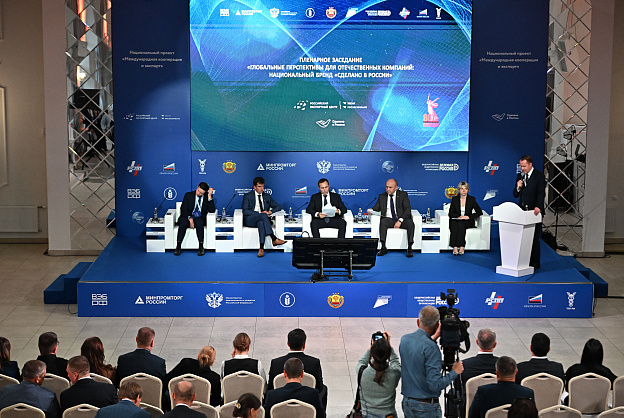
This shift was the focal point of the International Export Forum “Made in Russia,” which convened in Moscow on Monday, drawing over 5,000 attendees from 86 countries, according to Xinhua.
The event, themed "Growth amid a Global Storm," highlighted an aggressive push to localize joint production partnerships. Prime Minister Mikhail Mishustin said that the government has issued certificates under the “Made in Russia” umbrella brand to more than 2,500 companies. These certifications now encompass 30,000 distinct products, with one in seven of these certificates specifically targeting high-technology goods.
The Financial Mechanics of a New Trade Strategy
The economic data presented at the forum suggests a deliberate move to insulate the Russian economy from external pressures. Prime Minister Mishustin reported that non-resource, non-energy exports currently constitute approximately 35 percent of the nation’s total export volume.
This diversification is occurring against a backdrop of rising trade figures; total exports grew by more than 14 percent year-on-year during the first eight months of 2026, reaching a valuation exceeding 23 trillion rubles, or roughly 280 billion U.S. dollars.
Global financial observers may find the change in settlement infrastructure most important. The prime minister said that the share of national currencies used in Russia's export settlements has now surpassed 91 percent, showing a systemic move to bypass traditional dollar-denominated clearing systems.
State Protectionism and the Domestic Manufacturing Push
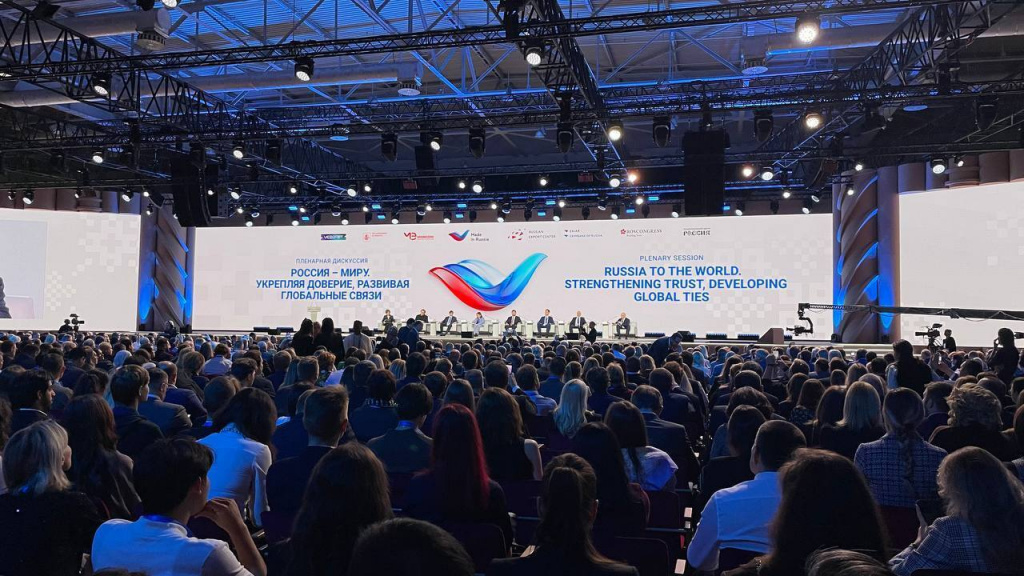
For American manufacturers and investors, the “Made in Russia” initiative represents a competitive pivot that is explicitly designed to be autonomous. During the plenary session, Mishustin emphasized that Russian businesses are offering a spectrum of goods ranging from industrial equipment to sovereign digital technologies. He characterized these offerings as being “free from political conditions,” a framing that serves as a direct counter-narrative to Western trade sanctions and export controls.
The ideological underpinning of this transition was further articulated by Vladimir Medinsky, an aide to the Russian president. During an open dialogue session, Medinsky argued that the era of relying solely on raw-material exports has reached its conclusion. He called for a strong framework of state protectionism to foster domestic manufacturing.
“The future lies in processing raw materials. Entrepreneurial spirit is a rare quality that needs to be cultivated and developed in people. The state’s task, therefore, is to make it profitable for them to work here, pay taxes here and develop their businesses here. We must create the right conditions, and that is what state protectionism towards entrepreneurs is all about, said Vladimir Medinsky, Russian Presidential Aide.”
Impacts on the Global Supply Chain
The transition toward localized production and sovereign digital solutions creates a complex environment for international firms. By incentivizing businesses to keep production and tax obligations within national borders, the Russian government is attempting to build a self-sustaining industrial base that is less susceptible to the volatility of global supply chains.
This strategy mirrors the trend of "friend-shoring" or "near-shoring" seen in other major economies, albeit driven by a different set of geopolitical imperatives.
While the forum focused on regional cooperation—an expansion of efforts seen earlier this year at the 10th China-Russia Expo in Harbin on May 17, 2026—the implications extend to the global market. As Russia increases its output of high-tech and industrial goods, it aims to establish new, non-Western trade corridors that prioritize national currency settlements and localized manufacturing over traditional, integrated global supply chains.
This push is not merely a policy goal but a documented economic shift, with the government explicitly using state support to de-risk its industrial sector. The long-term success of this “sovereign technology” model remains contingent on the ability of domestic firms to scale production and achieve the technological sophistication required to compete on a global stage without the benefit of traditional Western market access.

Leaders Pay Tribute to DUP Figure Following Family Tragedy
"There are no words that can ease the pain of such an unimaginable loss," DUP leader Gavin Robinson...

Gérard Depardieu Drops Appeal Against Sexual Assault Conviction
French actor Gérard Depardieu abruptly dropped his legal challenge against a sexual assault conviction on Monday accepting his...
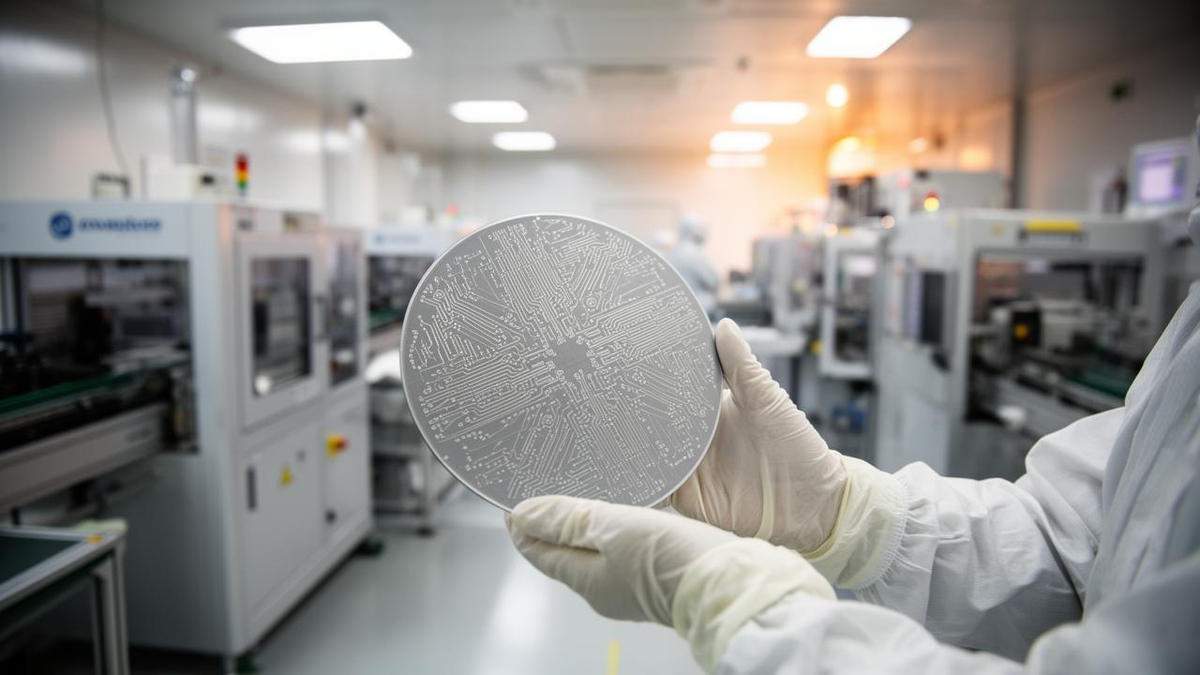
Southeast Asia Plans Coordinated Chip Production, Targeting $55 Billion Market – BigGo Finance
Southeast Asia is moving to consolidate its role in the global semiconductor hierarchy, shifting away from fragmented national...
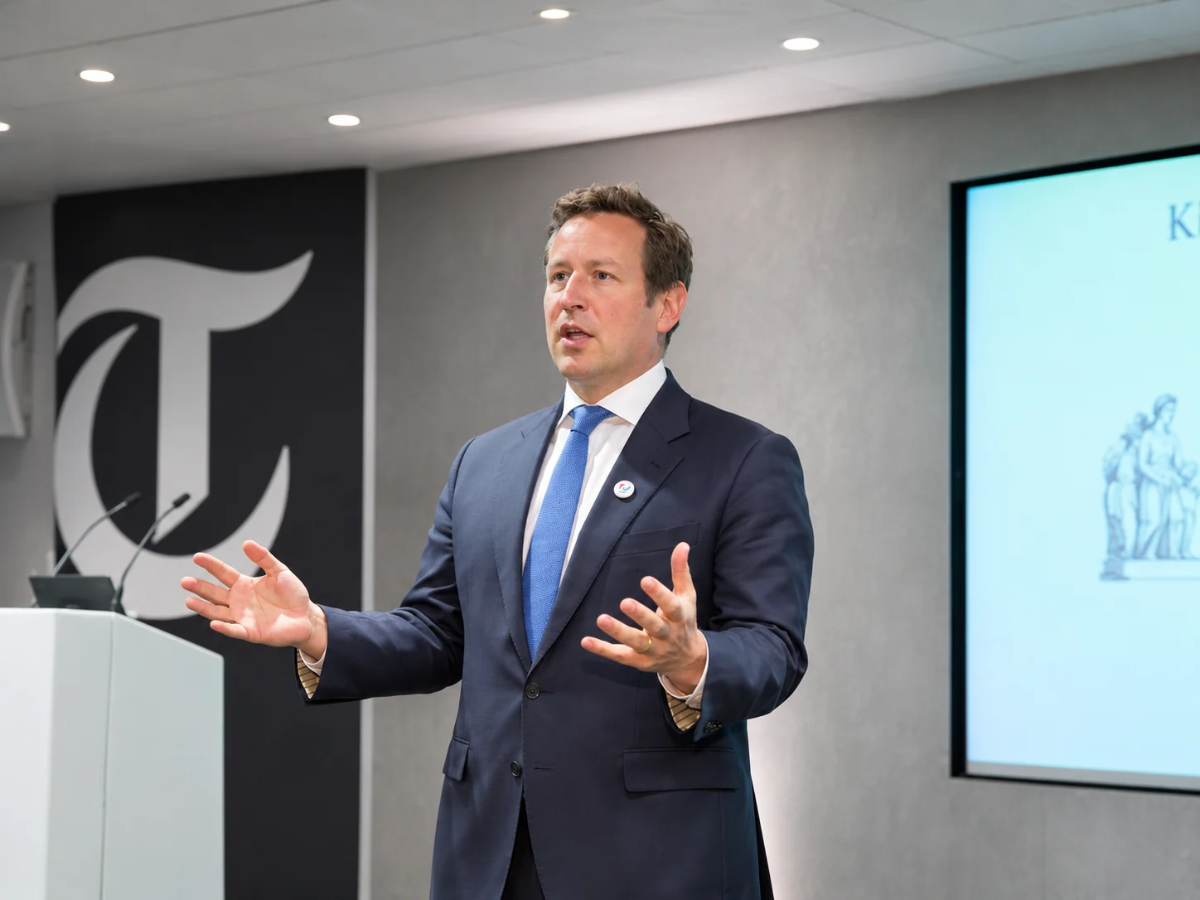
ASEAN Trade Growth Highlights Paradox for UK NHS Innovation
British trade with Southeast Asian economies reached £62.1 billion in the year to the end of the fourth...