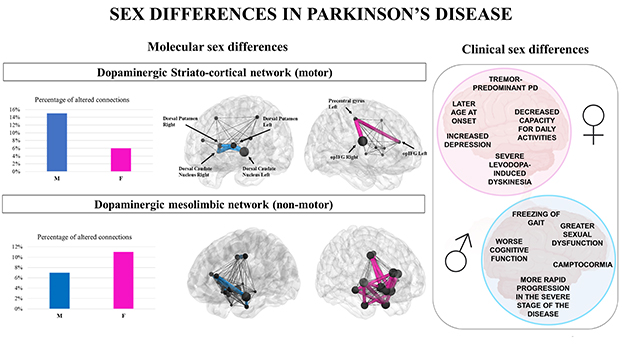
New research presented at the Federation of European Neuroscience Societies (FENS) Forum 2026 identifies genetic changes in brain cells that may explain why Parkinson’s disease is 1.5- to 2-fold more common in men than women. The findings, led by Saarland University, highlight sex-dependent biological vulnerabilities in gene expression and cellular stress responses.
Genetic and Environmental Clues in Parkinson’s Vulnerability
Parkinson’s disease affects approximately 9.4 million people globally, yet the clinical disparity between men and women has long remained a medical puzzle. Beyond the higher prevalence in men, the disease often manifests with faster cognitive decline and more rapid progression of daily living difficulties in male patients. This reality suggests that sex-dependent biology is a critical factor in disease susceptibility.
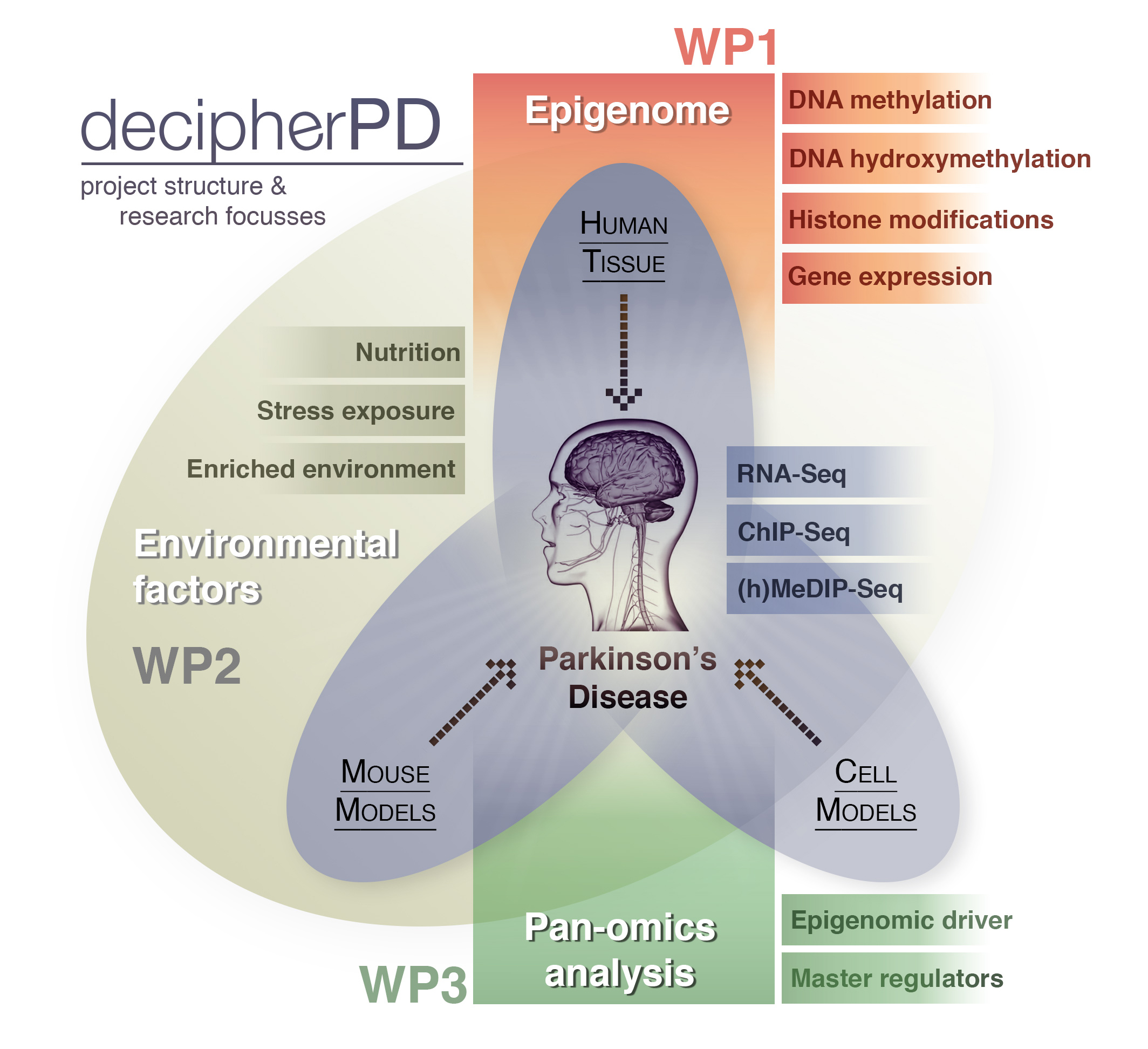
Dr. Julia Schulze-Hentrich, a professor in the Genetics and Epigenetics Department and an affiliate of the Center for Gender-Specific Biology and Medicine (CGMB) at Saarland University, suggests that pooling data from men and women in clinical studies may mask essential disease mechanisms. Her team’s research aims to isolate these hidden factors by examining how DNA methylation—a process that acts like a dimmer switch for gene activity—influences vulnerability. This epigenetic mechanism does not alter the underlying DNA sequence but can significantly impact how genes are expressed in response to internal and external stressors.
“The higher prevalence of Parkinson’s disease in men suggests that sex-dependent biology may influence vulnerability. Therefore, studying sex differences may help identifying disease mechanisms that would be hidden in analyses that pool men and women together.”
Dr. Julia Schulze-Hentrich, Saarland University
Cellular Stress and Sex-Specific Gene Activity
In the latest study, researchers analyzed post-mortem brain samples from 73 individuals with Parkinson’s and 24 controls. By examining neurons and glial cells—including astrocytes, oligodendrocytes, and microglia—across five brain regions, the team observed that while Parkinson’s disease causes common signs of stress in all brain regions, sex-specific differences exist in gene activity.

The study found that in astrocytes, genes linked to mitochondria—the cell’s primary energy producers—showed different activity patterns between the sexes. Similarly, in oligodendrocytes, which produce the myelin coating that protects nerve fibers, gene activity also diverged by sex. These findings build upon earlier research by the team which found that women with Parkinson’s exhibited DNA methylation changes in 69 genome regions, compared to only two in men. This disparity highlights that the molecular pathways leading to neurodegeneration may be distinct, potentially requiring different therapeutic targets for men and women.
Precision Medicine and the Future of Brain Tumor Diagnostics
While the focus on Parkinson’s centers on sex-specific biological drivers, parallel advancements in neuro-oncology are using similar high-resolution cellular mapping to address aggressive brain tumors. Research conducted by the Mayo Clinic and the Princess Margaret Cancer Centre, published in Nature Genetics, has developed a detailed “atlas” of meningioma, the most common adult brain tumor.
By using single-cell sequencing and spatial transcriptomics to map over 500,000 cells, researchers are identifying how the tumor microenvironment—the ecosystem of immune and support cells surrounding the tumor—drives aggressiveness. Dr. Gelareh Zadeh, a neurosurgeon at the Mayo Clinic and senior author of the study, notes that this shift allows clinicians to move beyond simple tumor grading. Traditional diagnostics often rely on histology, but these new molecular maps provide a granular look at cellular behavior that can predict how a tumor might respond to treatment or if it is likely to recur.
“We’re seeing that it’s not just the tumor cells themselves but the ecosystem around them that influences how these tumors grow and respond to treatment.”
Dr. Gelareh Zadeh, Mayo Clinic
Clinical Implications for Patient Care
Both the Parkinson’s research and the meningioma atlas signal a broader trend toward personalized neurology. In the case of Parkinson’s, Prof. Schulze-Hentrich highlights that understanding these pathways is essential for developing tailored treatments. For meningioma patients, the ability to identify specific immune cell states associated with recurrence could soon refine decisions regarding surgery and radiation therapy. These advancements emphasize that biological sex and cellular-level data are critical components of the modern diagnostic toolkit.

| Research Focus | Key Methodology | Patient Benefit |
|---|---|---|
| Parkinson’s Disease | DNA methylation and gene expression analysis | Personalized monitoring and sex-specific care |
| Meningioma | Single-cell sequencing and spatial transcriptomics | Improved risk prediction and therapy stratification |
As these fields evolve, the goal remains consistent: identifying biological signatures that allow for earlier intervention and more precise clinical decision-making. Readers are encouraged to recognize that while these studies represent significant scientific progress, they are early-stage findings. Patients should continue to consult their healthcare providers or neurologists regarding the latest diagnostic tools and how evolving research into genetic and environmental factors may impact their specific risk profiles. Such consultations are vital to ensure that medical decisions are based on the latest verified clinical evidence rather than preliminary research reports.
Find more reporting in our Health section.
Related reading

Diet Drinks Equal Water for Weight Loss, SWITCH Trial Finds
A 104-week clinical trial published in the British Journal of Nutrition reveals that non-nutritive sweetened soft drinks perform...

UK Research and Innovation Launches £80m Dementia Challenge for NHS
UK Research and Innovation has launched an up-to-£80 million Dementia Challenge to test nine medical technologies within the...

Stanford Researchers Develop Urine Test to Accurately Diagnose Bladder Cancer
Researchers at Stanford Medicine and the VA Palo Alto Health Care System have developed a non-invasive urine test...

King’s College London and ZOE Seek 250,000 Volunteers for Bowel Cancer Study
Researchers at King’s College London and ZOE are recruiting 250,000 UK volunteers for the PROSPECT-UK study to investigate...