
Sony will discontinue physical game disc production for all new PlayStation titles starting in January 2028, shifting entirely to digital distribution.
The Shift to Digital-Only Distribution
Starting in January 2028, Sony Interactive Entertainment will cease the production of physical game discs for all new PlayStation console releases. According to the company’s official announcement, the transition is a natural direction for the business, as consumer preference for digital media has significantly outpaced physical formats.
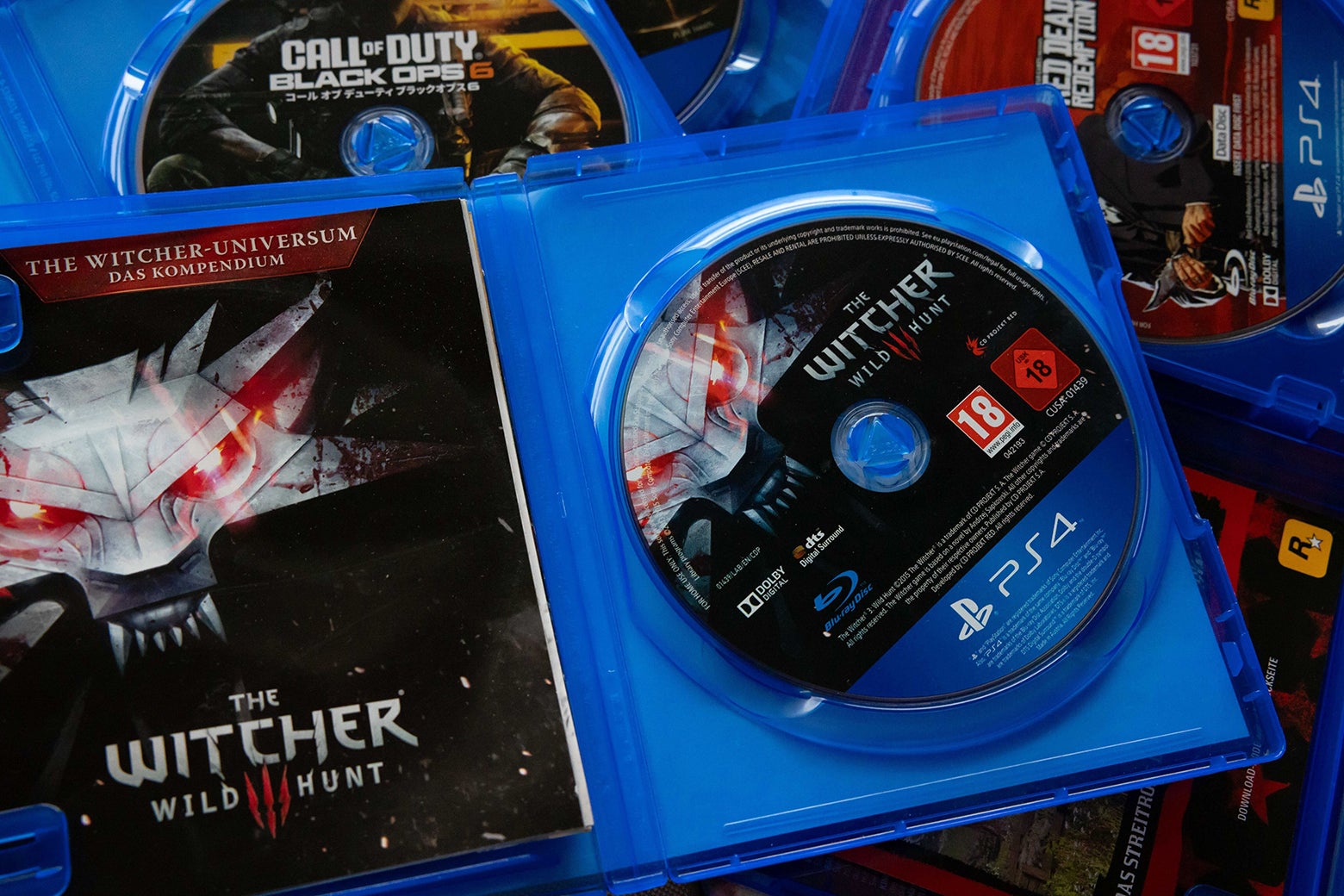
The data reflects this trend: when the PlayStation 4 launched in 2013, digital purchases accounted for just 13 percent of sales. By last year, that figure reportedly approached 80 percent, as reported by The Atlantic. For Sony, the move represents an effort to align operations with how the vast majority of its community accesses games. While the company stated this transition will not impact titles released prior to the 2028 cutoff, the announcement has prompted immediate and widespread criticism.

This shift mirrors broader historical trends in media consumption. The entertainment industry has seen a migration from physical formats—such as DVD and Blu-ray—to streaming and digital storefronts. In the music industry, the transition included the rise of platforms like Spotify, which moved users away from owning tangible albums. Sony’s move follows a similar trajectory, where the convenience of instant access and the elimination of physical logistics—such as shipping, warehousing, and retail shelf space—become the primary drivers of corporate strategy.
Community Backlash and the “Don’t Kill the Disc” Petition
The announcement has faced intense scrutiny from players and industry figures alike. Organizers argue that the move forces players into a digital-only ecosystem that lacks the flexibility and security of physical media.
Critics emphasize that physical discs offer rights that digital licenses do not, specifically the ability to resell, trade, or lend games without platform-holder intervention. As Dr. Ryan Stanton, a lecturer in the UNSW School of Social Sciences, noted, the decision effectively consolidates consumer choice by eliminating the secondhand alternative.
Prominent designers, including Hideo Kojima, have voiced concerns regarding the implications of the shift for the broader entertainment industry, as reported by Slate Magazine. Despite the mounting pressure and thousands of negative comments across social media platforms, industry analysts suggest the decision is likely the result of years of strategic planning rather than a reactive choice. The preservation concern stems from the fact that digital licenses are often subject to revocation. When a platform holder stops supporting a game via updates or patches, or when servers are shut down, digital-only titles can become inaccessible, whereas a physical disc remains a functional asset.
Vertical Integration and the Economics of Discs
Beyond consumer convenience, analysts point to the financial incentives driving Sony’s strategy. By moving to a digital-only model, Sony achieves what some describe as “peak vertical integration.” Because the platform holder controls the digital storefront, they capture the entirety of the transaction value, eliminating the revenue leakage inherent in the secondary market.

“Everything Sony gains from killing the disc flows from the fact that a disc is a unit of value the platform holder stops earning from the moment it’s first sold,” analyst Rhyss Elliot told Eurogamer. This transition is also reflected in the declining relevance of physical software sales at major retailers. For example, software accounted for just 8 percent of JB Hi-Fi’s total sales in 2020, down from 27 percent a decade prior.
The economic logic is rooted in the “middleman” problem. In the traditional physical retail model, a portion of the game’s price is absorbed by manufacturing, distribution, and the retailer’s margin. By selling directly through the PlayStation Store, Sony bypasses these entities.
Economic Impact and Future Market Outlook
The shift toward digital-only gaming carries significant implications for the wider economy, including potential impacts on logistics and retail businesses that rely on physical distribution. In 2024, Sony disclosed that physical discs accounted for only 3 percent of all PlayStation brand sales, failing to clear $1 billion in revenue.
| Metric | 2013 | 2024 |
|---|---|---|
| Digital Sales Percentage | 13 percent | 80 percent |
| Physical Sales Share | Not specified | 3 percent |
As the industry approaches the 2028 deadline, market observers remain divided on whether Sony will adjust its roadmap in response to the public outcry. While some hope the petition will force a policy change, the precedent set by other entertainment sectors—such as the decline of DVDs and CDs—suggests that the industry trend is likely to continue. For now, the move signals an era where ownership is increasingly defined by temporary digital licenses rather than physical assets. The stakes for the gaming community involve not only the cost and convenience of access but also the fundamental question of whether users will continue to “own” the software they purchase or merely lease access to it at the discretion of the platform manufacturer.
Find more reporting in our Entertainment section.
Related reading

Tom Cruise Surprises Fundraiser Lloyd Kembrey at Fake Interview
British facilities manager Lloyd Kembrey, who spent a year undertaking extreme athletic feats to raise funds for the...

Gillian Anderson Tells Repeat Fans Not to Sit in West End Front Row
Gillian Anderson sparked online debate after a viral TikTok video captured her telling repeat fans outside a London...

Space Marine 2 Anniversary Update Adds Chaos PvE and Crucible Mode
Saber Interactive has deployed Warhammer 40,000: Space Marine 2 Anniversary Update 2, officially launching the game's third year...

Kim Kardashian Spent Five Years Single Before Dating Lewis Hamilton
Kim Kardashian revealed in an interview published on October 3 that she spent five years being single to...