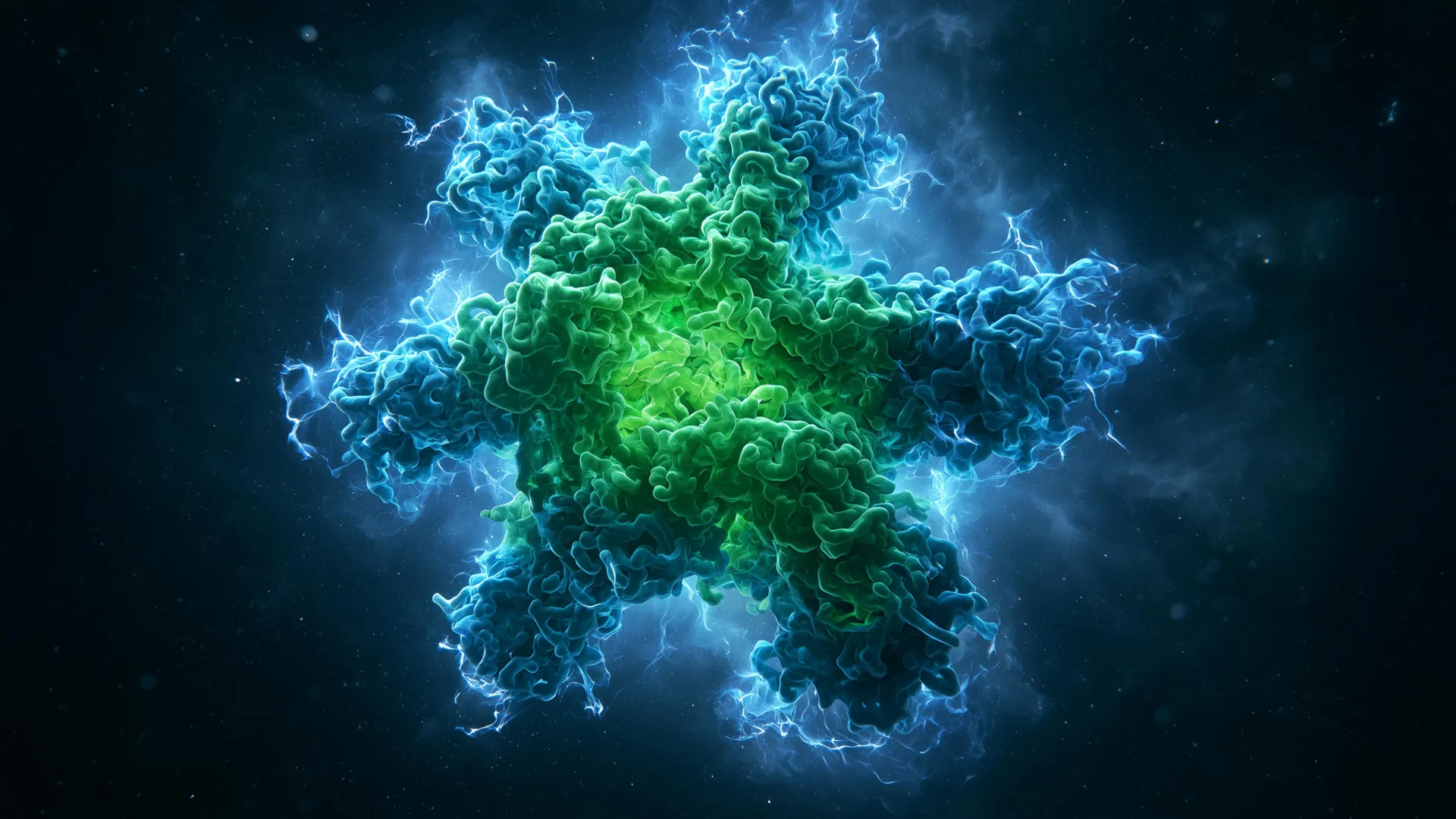
In a significant advancement for the study of early life, scientists have successfully resurrected a 3.2-billion-year-old enzyme and tested its function within modern microbes. The research, published in Nature Communications on January 22, 2026, offers a new methodology for understanding how life began on Earth and provides a framework for identifying potential biosignatures on other planets.
The study, funded by NASA, utilized synthetic biology to reconstruct ancestral versions of nitrogenase, an enzyme essential for converting atmospheric nitrogen into a form usable by living organisms. By working backward from modern enzymes, researchers at the University of Wisconsin–Madison and Utah State University were able to create tangible, functional reconstructions to study in a laboratory setting.
The Critical Role of Nitrogenase
Nitrogen is fundamental to all known forms of life, yet most organisms cannot access it directly from the atmosphere. Nitrogenase enables “nitrogen fixation,” a process that transforms nitrogen into essential compounds used to build DNA, proteins, and other molecules necessary for survival.

“We picked an enzyme that really set the tone of life on this planet and then interrogated its history,” said Betül Kaçar, a professor of bacteriology at the University of Wisconsin–Madison and director of the NASA-funded Metal Utilization and Selection across Eons (MUSE) project. “Without nitrogenase, there would be no life as we know it.”
For more than 30 years, Lance Seefeldt, a biochemist at Utah State University, has studied the structure and function of these enzymes. According to Seefeldt, understanding the evolution of nitrogenases over Earth’s four-billion-year history is key to grasping how life developed on a planet that was vastly different in the distant past.
Bridging Gaps in the Geological Record
Historically, scientists have relied on ancient rocks and fossils to piece together the history of life. However, these samples are often rare and difficult to interpret. Because enzymes do not fossilize, researchers have long operated under the assumption that ancient enzymes produced the same isotopic signatures as their modern counterparts.

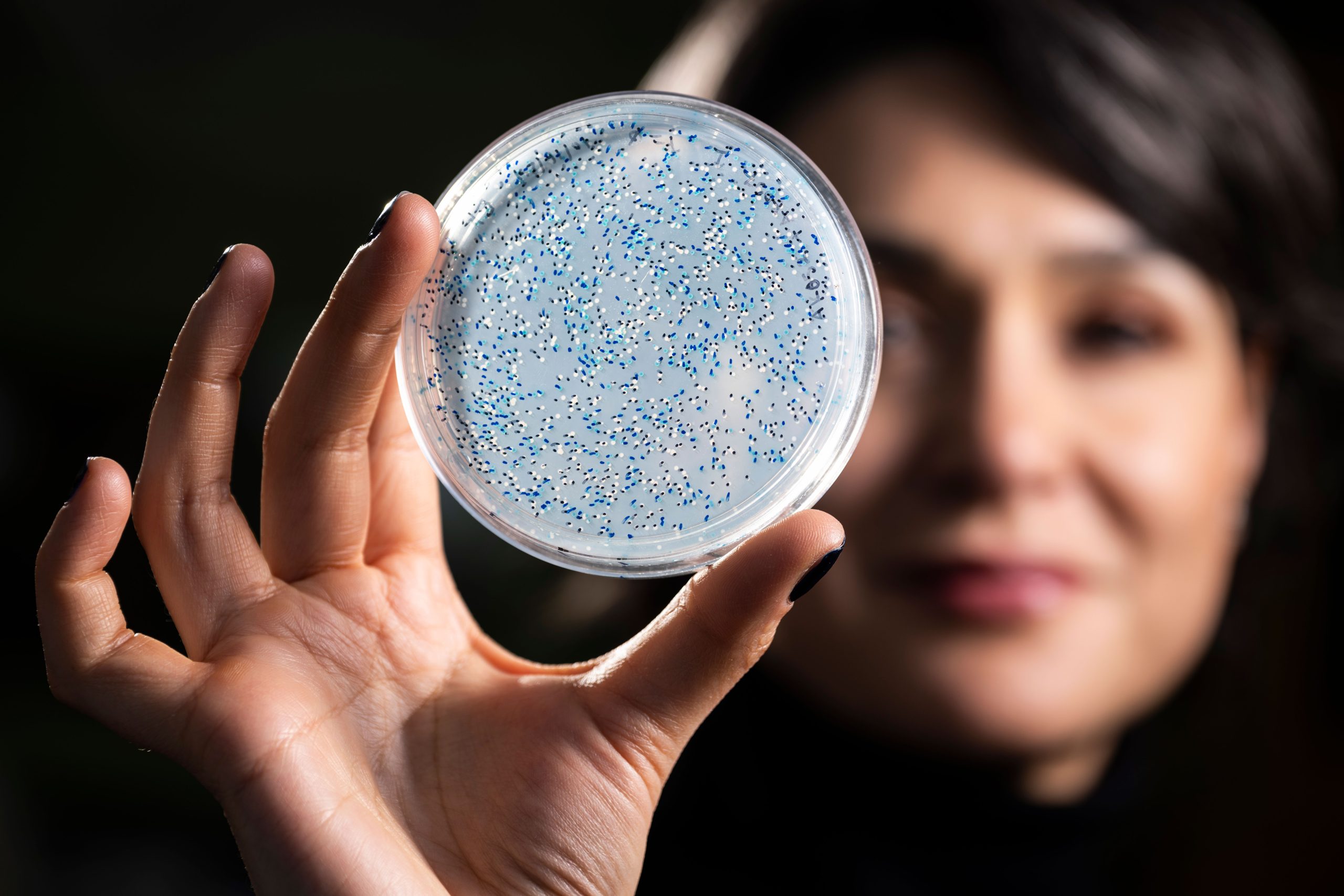
Holly Rucker, a PhD candidate in the Kaçar lab, sought to verify this assumption. By inserting reconstructed ancestral nitrogenase genes into living microbes, the team measured nitrogen isotope fractionation under controlled conditions. The study confirmed that while the DNA sequences of the ancient enzymes differ from modern versions, the underlying mechanism responsible for the isotopic signature has remained consistent for billions of years.
“The signatures that we see in the ancient past are the same that we see today, which then also tells us more about the enzyme itself,” Rucker said. This finding provides researchers with a more reliable way to interpret the geological record, confirming that the isotopic patterns found in ancient rocks are valid indicators of past biological activity.
Implications for Astrobiology and Agriculture
The research has practical applications that extend beyond Earth’s history. By identifying nitrogenase-derived isotopes as a reliable biosignature, the MUSE consortium has established a clearer framework for evaluating signals that might be found on other planets. As astrobiologists look toward the search for life in the universe, understanding Earth’s own biological history serves as a critical foundation.
“The search for life starts here at home, and our home is four billion years old,” Kaçar said. “We need to understand life before us, if we want to understand life ahead of us and life elsewhere.”
In addition to its implications for astrobiology, the work may have practical benefits for current agricultural challenges. Seefeldt noted that a deeper understanding of nitrogenases is critical for addressing food security in a changing climate, particularly in regions facing drought or lacking access to commercial fertilizers. Furthermore, the research contributes to ongoing efforts to determine how food could be grown in space and on Mars.
Summary of Key Findings
| Focus | Outcome |
|---|---|
| Enzyme Reconstruction | Successfully resurrected a 3.2-billion-year-old nitrogenase. |
| Isotopic Consistency | Confirmed that ancient nitrogenase produces the same isotopic signatures as modern versions. |
| Geological Record | Validated that nitrogen-based signatures in ancient rocks are reliable evidence of life. |
| Astrobiology | Provided a new framework for identifying potential life on other worlds. |
The research team, which included collaborators from several institutions, highlighted that the study of these ancient molecular systems allows for a clearer view of how life persisted before the Great Oxidation Event, a time when Earth’s atmosphere was dominated by carbon dioxide and methane, and life consisted primarily of anaerobic microbes.
Find more reporting in our Science section.
Related reading

Moon to Occult Jupiter Over Eastern North America on October 6
Skywatchers across much of eastern North America can watch a rare lunar occultation early Tuesday morning as a...

Saturn Reaches Closest Approach to Earth for the Year
Saturn stands roughly 784 million miles from Earth as opposition positions the ringed giant at its closest annual...

Researchers Identify Candidate Second-Generation Planet Orbiting White Dwarf
Circling its parent dead star every 4.4 days, a Jupiter-sized gas giant orbits the white dwarf HS 0209+0832...

UK Proposes Norfolk Housing Levy to Unlock Stalled Homes
Environment Secretary Angela Eagle launched a public consultation on 17 September for a Norfolk pilot scheme requiring housing...