
Paul Grogan, who led the Boston Foundation for two decades as president and chief executive, died Wednesday, Nov. 25, at age 76 from complications of Parkinson’s disease, the foundation announced on Thanksgiving Day.
“His impact on Boston, its neighborhoods, and on the many people and organizations he supported will be felt for generations,” the Boston Foundation said in a statement.
Mayor Michelle Wu called him “a transformative civic leader, champion for our residents, and change agent who reshaped Boston.” Wu added, “In transforming one of our most vital civic institutions, Paul himself became a foundational institution of our city.”
Two decades at the Boston Foundation
Grogan led New England’s largest community foundation from 2001 to 2021. Under his leadership, the foundation’s assets doubled to more than $1.3 billion and annual grantmaking rose to $150 million. Staff grew from 45 people to more than 110 by the time he announced his retirement in January 2020.
He shifted the organization from a traditional grantmaker into a research and policy engine, producing studies on the city’s shrinking child population, public transit investment, and college completion for Boston Public Schools graduates. According to the foundation, legislation influenced by that research channeled more than $600 million in public funds to schools, community colleges, cultural facilities, municipal budgets, and housing.
Its Success Boston program is credited with raising college completion rates for Boston Public Schools graduates.
“He did more than write checks,” said Michael Curry, president and chief executive of the Massachusetts League of Community Health Centers.
“He used research, convening, and courage to take on the hardest questions facing our city… He had a rare gift for bringing people to the same table who didn’t always trust one another, and for getting them to build something together.”
Grogan stepped down in May 2021 and was succeeded by M. Lee Pelton, who left the role in August 2024.
Served in White and Flynn administrations
A Williams College graduate with a master’s from the Harvard Graduate School of Education, Grogan entered city government at 24 as a policy researcher for Mayor Kevin White, later becoming a speechwriter and running several agencies. He was the only high-ranking White aide retained by Mayor Raymond Flynn in 1984, leading neighborhood revitalization efforts.
From 1986 to 1998, he served as president and chief executive of the Local Initiatives Support Corporation, a national community development nonprofit that raised and invested more than $3 billion in private capital for inner-city revitalization. He subsequently held the posts of Harvard University’s vice president for government, community, and public affairs and senior lecturer at Harvard Business School. In 2000 he co-wrote “Comeback Cities” with Tony Proscio.
Tributes from Flynn, Spring, and Curry
Former Mayor Raymond Flynn remembered Grogan as “an incredibly innovative and impactful leader in our city and nationally.” Flynn said Grogan was “masterful in creating partnerships between groups who were traditionally suspicious of one another, community-based organizations and elected officials/business leaders,” the Globe reported.
Micho Spring, who worked with Grogan under Mayor Kevin White, said his “tireless energy, boundless optimism and passionate advocacy for and commitment to Boston were key to shaping the city we know today.”
Spring added, “He will greatly be missed.” Micho Spring said his legacy “lives on in every community development corporation he strengthened, every young person whose path he widened, and every leader he mentored and pushed to ‘get in the game.’”

Spring recalls Grogan shaping Boston's vision
White aide Micho Spring said Grogan “helped shape the mayor’s vision for a new Boston.”
The book describes his arrival in Boston as a young man eager to join the nationwide effort to turn around failing cities.
Paul Grogan, an influential civic leader who led the Boston Foundation for nearly two decades and helped spread millions of dollars around the city, died Wednesday night, the organization said. https://t.co/NljERLUakO
Published memoir after Parkinson's diagnosis
“I want people to know that it is possible to live a full and engaged life with Parkinson’s,” he told the Boston Globe that year. “You have to remember that you have Parkinson’s — Parkinson’s does not have you.”
He published a memoir in 2024, co-written with Kathryn Merchant, former president of the Cincinnati Foundation.
Survivors include his wife, Lauren Louison Grogan, and three sons, Matt, Connor, and Tim. The Boston Foundation said it will share information about memorial services in the coming days.
Keep reading
Maryland Keeps Contributory Negligence; Court Declined to Abolish It
Maryland remains one of the few states where an injured person found even 1 percent at fault recovers...
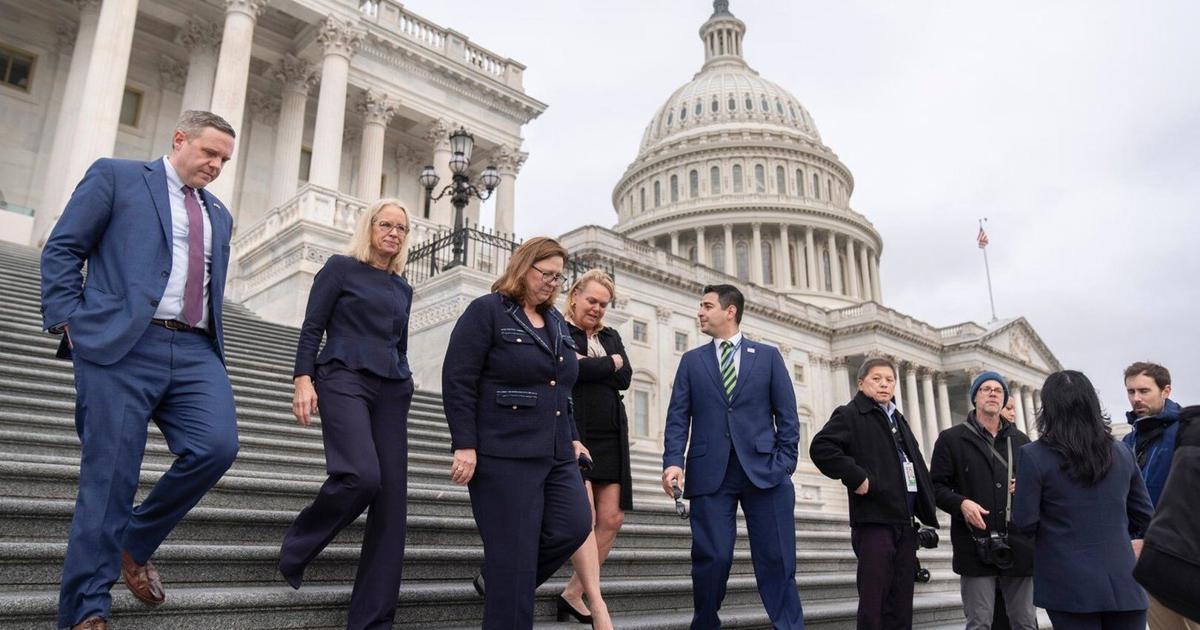
Colorado Rep. Jeff Hurd, ‘Low Drama’ Republican, Lone GOP Survivor in State Delegation
DENVER — “Here’s somebody that’s low drama, he works hard, and he’s effective and he’s not part of...

Magic Rout Wizards 116-91 Behind Carter’s Season-High 17 Points
The Orlando Magic routed the Washington Wizards 116-91 at Capital One Arena on Saturday night, building a 30-point...
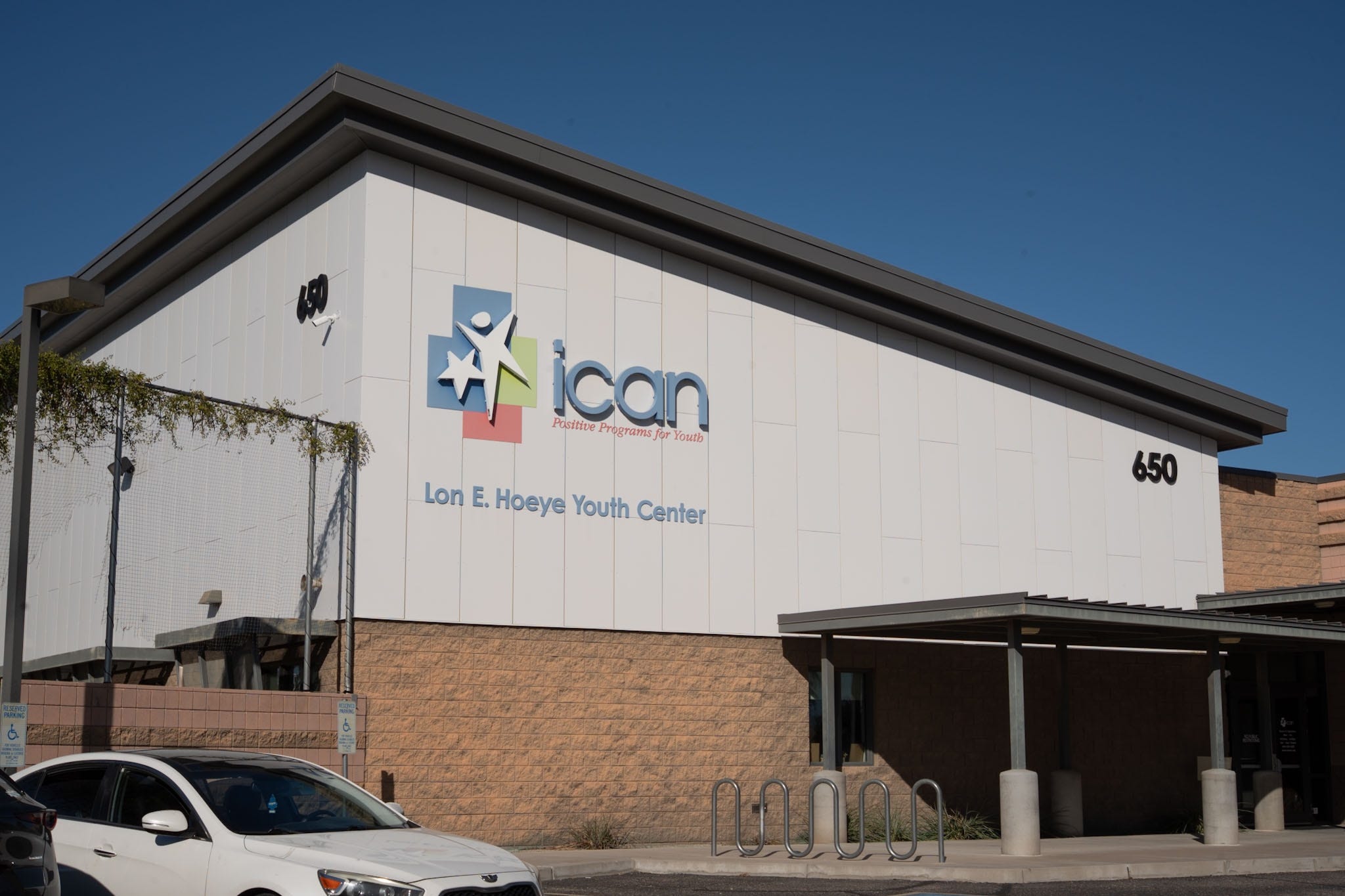
A Chandler mother of twin kindergarteners found free after-school care through ICAN
A Chandler mother of twin kindergarteners found free after-school care through ICAN, allowing her to work while her...