Adults at high risk for severe COVID-19 who received nirmatrelvir-ritonavir (Paxlovid) within five days of infection had a 12% lower risk of developing long COVID compared with untreated high-risk adults, according to a large observational study published in PLOS Global Public Health.
The study, led by researchers at Weill Cornell Medicine and conducted through the RECOVER Initiative, analyzed electronic health records from 497,499 people who tested positive for SARS-CoV-2 between March 1, 2022, and February 28, 2023.
Among the 431,707 participants with at least one risk factor for severe disease, 159,659 were prescribed at least one dose of Paxlovid during the acute phase and 272,048 were not. The hazard ratio for long COVID in the treated group was 0.88 (95% CI, 0.87 to 0.89), translating to an absolute risk reduction of 2.99 events per 100 persons — about 30 fewer cases per 1,000 people — over the 30-to-180-day post-acute period.
Treated patients also had a 30% lower rate of hospitalization and a 47% lower rate of death from any cause, amounting to roughly 24 fewer hospitalizations and two fewer deaths per 1,000 people.
“These results suggest that Paxlovid may significantly reduce the risk of Long COVID and other downstream consequences of acute COVID-19 infection for high-risk non-hospitalized adults,” the researchers wrote.
Patients who took the antiviral were less likely to receive new diagnoses across a range of conditions, including cognitive issues, sleep problems, joint pain, fatigue, shortness of breath, and changes in smell and taste. The authors also reported reduced risks for post-acute hospitalization, death, pulmonary embolism, dementia, and thromboembolism.

For adults under 50 without documented risk factors for severe COVID-19, the association between Paxlovid and long COVID was inconclusive (HR, 1.03; 95% CI, 0.95 to 1.11), a finding the researchers noted is consistent with a recent clinical trial that failed to show a significant benefit of Paxlovid for acute COVID in low-risk populations.
The authors wrote that the results “demonstrate that Paxlovid treatment is associated with reduced risk in most outcomes, especially in post-acute hospitalization, death, pulmonary embolism, dementia and thromboembolism.”
They also tracked only new diagnoses and did not assess whether preexisting conditions worsened after infection, and they could not verify whether participants took Paxlovid as prescribed.
The study used a target trial emulation framework with data from the PCORnet RECOVER repository. Because treatment was not randomized, the authors cautioned that unmeasured factors may help explain the findings.
They also tracked only new diagnoses and did not assess whether preexisting conditions worsened after infection, and they could not verify whether participants took Paxlovid as prescribed. Still, they described it as the largest observational study to date examining Paxlovid’s effectiveness in preventing long COVID, with a large, diverse demographic allowing examination of a wide range of outcomes.
Worth a look
- PhilHealth to Add 20% Hospital Bill Top-up for Qualified Direct Contributors Starting 2027
- Welsh Government Rules Out Badger Cull, Pursues New TB Strategy
- 47,000 Women Killed by Partners or Relatives in 2025, UN Report Finds (archyde.com)
- Manchester study finds nine per cent of volunteers had silent heart attacks (newsarchyuk.com)

PhilHealth to Add 20% Hospital Bill Top-up for Qualified Direct Contributors Starting 2027
PhilHealth will add a 20 percent top-up to standard inpatient case rates for direct contributors who meet a...

Welsh Government Rules Out Badger Cull, Pursues New TB Strategy
Speculation that the Plaid Cymru-led government would order a mass badger cull ended Tuesday when Rural Resilience Minister...

Tidal to Begin Removing All Fully AI-Generated Music Dec. 9
Tidal announced Tuesday it will remove every track identified as fully AI-generated from its catalog on December 9,...
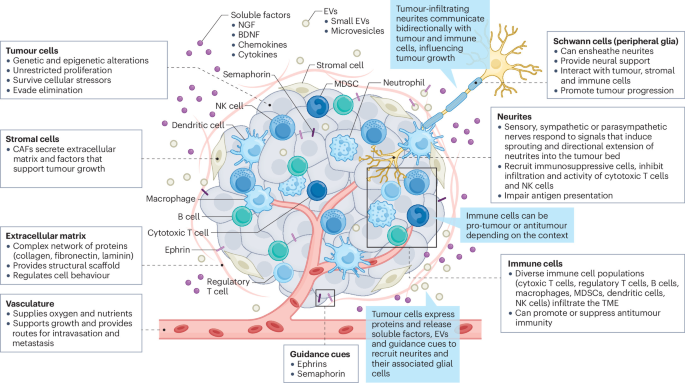
Peripheral Nerves Shift From Bystanders to Targetable Drivers of Tumor Growth
Peripheral nerves have moved from a footnote in cancer biology to a targetable driver of tumor growth, metastasis...