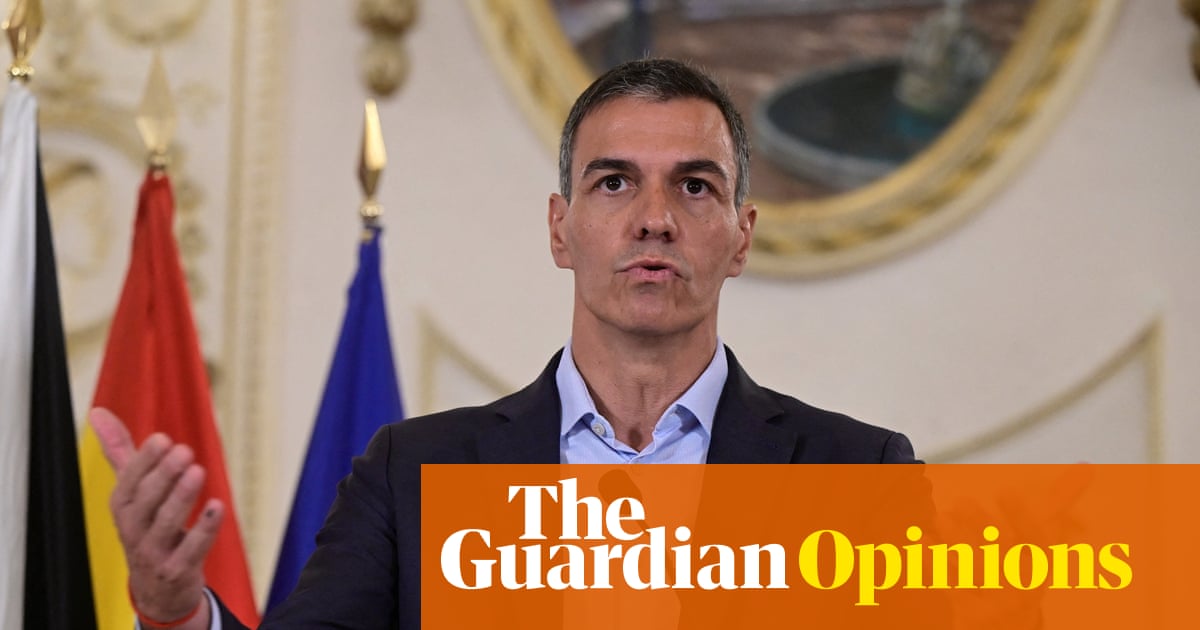
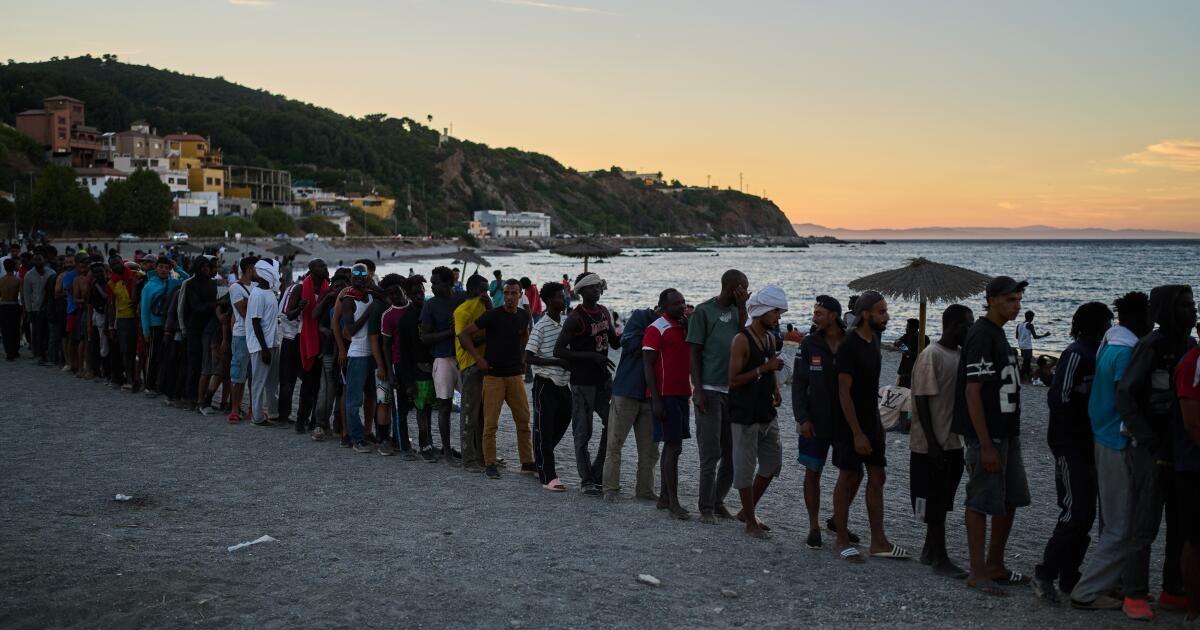
Spanish Prime Minister Pedro Sánchez faced severe criticism from European Union leaders following a mass migration event in the Spanish territory of Ceuta in North Africa. The sudden arrival of 72,000 migrants on a Thursday and Friday triggered a humanitarian crisis and reignited the immigration debate across the 27-nation bloc, though most of the migrants soon returned according to the Los Angeles Times. More than 80 migrants died, including individuals who drowned or were trampled in a stampede to cross a breakwater barrier, as reported by Spanish and Moroccan authorities.
EU Leaders Criticize Pedro Sánchez Following Ceuta Migrant Crisis
The dramatic developments prompted letters from 22 EU heads of government, organized by Italy and Denmark, which appeared to attribute the chaotic scenes to Spain’s liberal immigration policies and a recent program by Sánchez to regularize undocumented migrants according to The Guardian. The joint letter signed by leaders from Finland to Malta pointed to a July Spanish Supreme Court ruling as the trigger for the influx. The court had ruled that migrants arriving by sea could not be summarily deported without due process—unlike those crossing land barriers—because they had not breached a physical structure.
International Reactions and Border Controls
The crisis drew strong responses from foreign leaders and international bodies. Italian Premier Giorgia Meloni issued blunt criticism against Sánchez and announced that Italy would temporarily suspend the open-border Schengen agreement with Spain, enforcing air and sea border controls for travelers coming from the country as reported by NPR. U.S. President Trump labeled the crossing a “catastrophe” and an “invasion,” while the U.S. State Department blamed the situation on Spain’s migration-friendly laws.
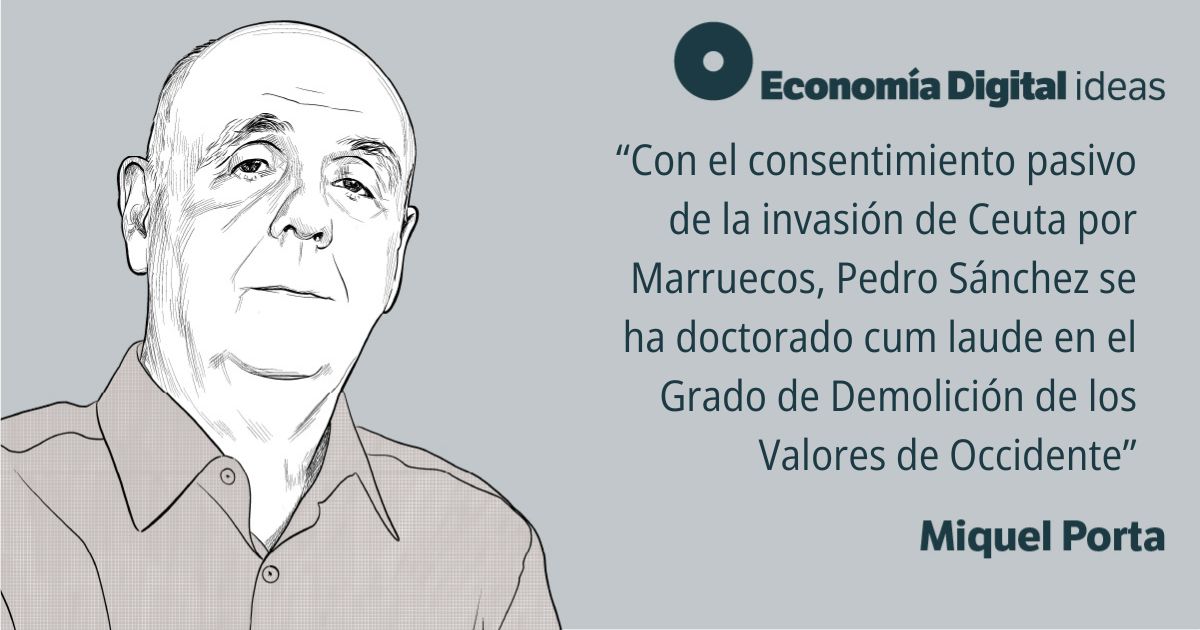
Sánchez defended his administration, dismissing the attacks as politically motivated and arguing that the court ruling had been intentionally misconstrued by migrant smugglers to persuade individuals to swim around the border fence. In his own correspondence to European counterparts, the Spanish leader noted that Spain had previously taken in migrants arriving at eastern European nations from Belarus in 2021 and at Lampedusa in Italy in 2023.
Domestic Pressure and Allegations of a Manufactured Crisis
Within Spain, political opponents seized on the incident. The far-right VOX party called for the militarization of the border and immediate deportations, while the center-right Partido Popular urged the government to declare a national emergency, close borders, and mobilize the army according to NPR. By Saturday morning, the Spanish government declared the situation under control after mobilizing the army in the region and installing a 500-meter floating barrier off the border with Morocco.
Experts and former officials suggested the surge was orchestrated. Gil Arias, former deputy executive director of Frontex, stated he had no doubt Morocco was directly or indirectly complicit in the crisis, noting it was encouraged rather than happening through mere passive omission. Riccardo Fabiani, Project Director for North Africa for the International Crisis Group, similarly described the event as a manufactured crisis based on testimonies from individuals who crossed into Ceuta.

Real American Freestyle Signs Five-Year Abu Dhabi Deal for Etihad Arena Events
Real American Freestyle has locked in a five-year deal with Abu Dhabi to stage annual wrestling events at...
Denmark Says NATO Will Oversee Arctic Security Under Greenland Pact
Denmark, Greenland, and the United States are preparing to sign a security agreement at the United Nations General...

Ed Sheeran Breaks Down Onstage in Philadelphia Over Tour Backlash
Ed Sheeran broke down onstage during his September 21 concert in Philadelphia, telling a 50,000-strong crowd that he...
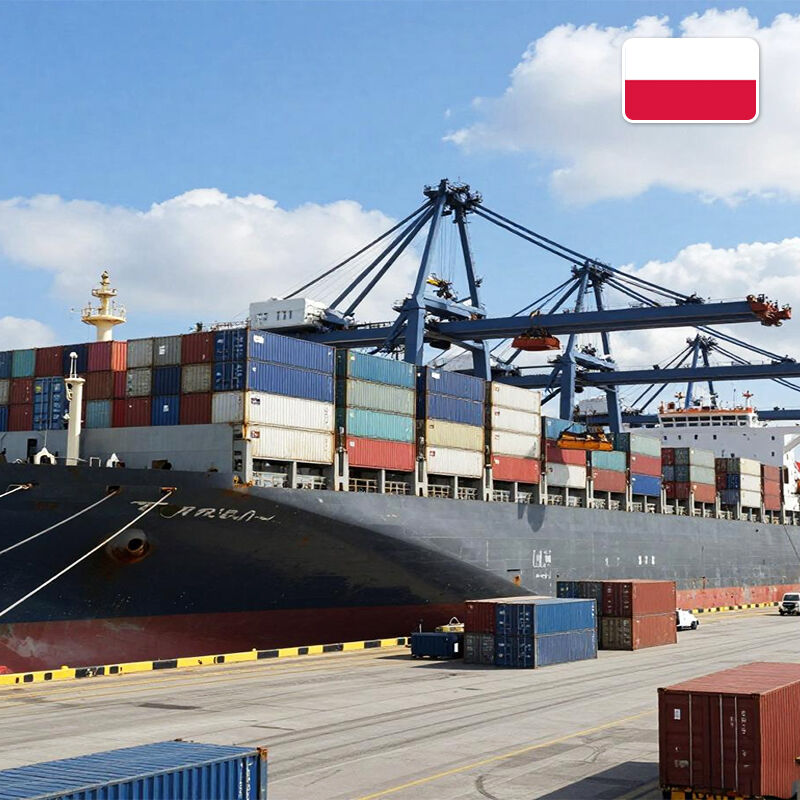
Pepco Opens Poland Hub and Freight Deals to Fight Supply Chain Costs
European discount retailer Pepco opened a new distribution hub near Gdansk, Poland, on Thursday to combat severe global...