
Minnesota Democrat Peggy Flanagan won a U.S. Senate seat Tuesday, defeating Republican Michele Tafoya. Nonpartisan polls showed a tight race heading into Election Day, and party strategists openly worried the state could swing right even as reddish states swung left. Instead, Democrat Peggy Flanagan won the U.S. Senate seat on Tuesday, and in doing so became the first Native American woman ever elected to the chamber, the Minnesota Reformer reported.
The distinction may end up shared: Alaska Democrat Mary Peltola, also Native, was still fighting for her own Senate seat as results came in. Just four enrolled tribal members have ever served in the Senate, and all of them were men. Flanagan, an enrolled member of the White Earth Nation, changes that arithmetic, and she arrives with something rarer than symbolism—deep, working experience with tribal governments that could make her a powerful advocate for the 575 federally recognized tribes nationwide.
A Progressive Win Built on Anger at Trump—and a Warning on Fraud
Flanagan, a two-term lieutenant governor, defeated Republican Michele Tafoya, a former NFL sideline reporter turned conservative podcaster who Republicans viewed as their best chance at a statewide win since 2002. Flanagan ran on a progressive economic platform—Medicare for All, universal childcare, and a $17-an-hour minimum wage—and on a promise to “rip ICE apart” after roughly 3,000 federal immigration agents poured into Minnesota earlier this year in an operation that left two Americans dead.
In her victory speech in St. Paul, Flanagan framed the race as a referendum on President Donald Trump. “You said no more war. No more health care cuts. No more taking away food from children and seniors,” she told the crowd. “And no more masked goons shooting our neighbors.” Republicans, meanwhile, tried to turn the election into a judgment on fraud in state-run programs that ballooned into a crisis under Gov. Tim Walz and helped push him out of a third-term bid. Flanagan repeatedly denied responsibility for failing to stop the fraud sooner, pointing to Walz’s own statement that the “buck stops” with him, and pivoting to reports of Trump and his family enriching themselves through crypto, international real estate and mineral deals, defense contracts, and presidential pardons. “The grift stops now,” she said Tuesday night.
The victory was backstopped by the left flank of the party—Sen. Bernie Sanders among the icons who endorsed her—and it hands the progressive wing a new seat in a caucus. Flanagan takes over the seat vacated by Sen. Tina Smith, one previously held by Paul Wellstone and Al Franken, continuing a decades-long progressive legacy in a state that has not elected a Republican senator since 2002. Voters’ frustration with tariff-fueled inflation and higher gas prices tied to the war in Iran, alongside Trump’s deep unpopularity in Minnesota, gave her an edge even in a race that looked coin-tight until the end.
From the School Board to the Governor’s Office—and Back
Flanagan’s path to the Senate included service on the Minneapolis School Board, in the state House and as lieutenant governor. She graduated Phi Beta Kappa from the University of Minnesota with a major in child psychology and a minor in American Indian studies, then took a job at the Division of Indian Work in south Minneapolis before joining Wellstone Action, the nonprofit that trains organizers in Paul Wellstone’s legacy. She served on the Minneapolis School Board, led the Children’s Defense Fund of Minnesota, and won a seat in the state House in 2015. Gov. Tim Walz tapped her to join his ticket in 2017, and they were elected the following year.
Her win on Tuesday also reads as a comeback. Flanagan was sidelined during the Walz administration, and tensions between the two spilled into the open after his 2024 vice presidential run. She survived a tough Democratic-Farmer-Labor primary challenge from U.S. Rep. Angie Craig before dispatching Tafoya in the general election.
As lieutenant governor, Flanagan helped reshape how state government works with Minnesota’s 11 tribal nations: expanding consultation with tribal leaders, restoring thousands of acres of land, protecting tribal gambling interests, backing an emerging tribal cannabis industry, and establishing the state’s first office of Missing and Murdered Indigenous Relatives.
“This really means a lot for White Earth,” White Earth Chairman Michael Fairbanks said, after he and other Native men played a victory song for Flanagan at a large drum at the St. Paul watch party. Fairbanks said her success was monumental for the tribe and for protecting natural resources from mining.
Flanagan’s husband, Tom Weber, noted before her victory speech that a Native woman was now claiming a seat held more than a century ago by Sen. Knute Nelson—the architect of an 1889 federal law that forced thousands of Ojibwe people onto the White Earth reservation and opened their lands to non-Native settlement and logging.
Whether Peltola’s race in Alaska confirms a shared first or leaves Flanagan standing alone remains the open question as the final votes are counted.
More on Native American
Worth a look
AG Hanaway settles Jackson County tax dispute and defends Homestead Credit
Missouri Attorney General Catherine Hanaway announced on Wednesday that her office had won two significant legal battles over...
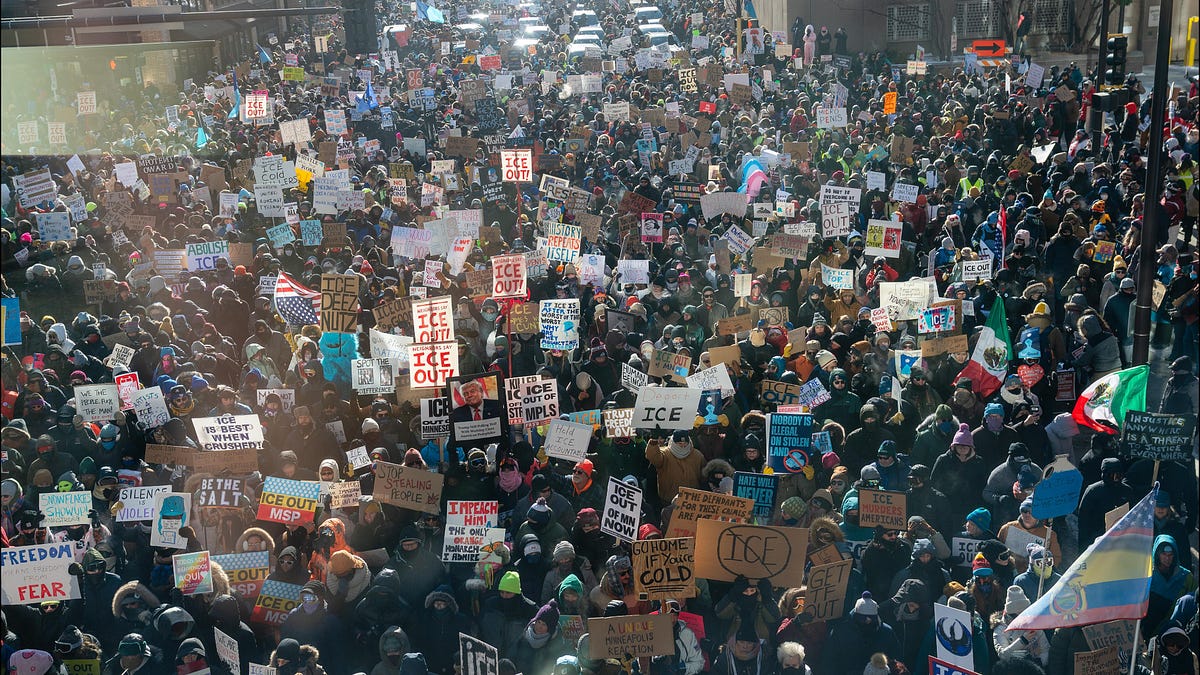
Minneapolis ICE Protests Spark Nationwide Backlash Against Trump Administration in 2026
Democratic Midterm Sweep Entrenches Capitol Hill Power, Traced to Minneapolis Protests Last night's elections delivered a decisive rebuke...
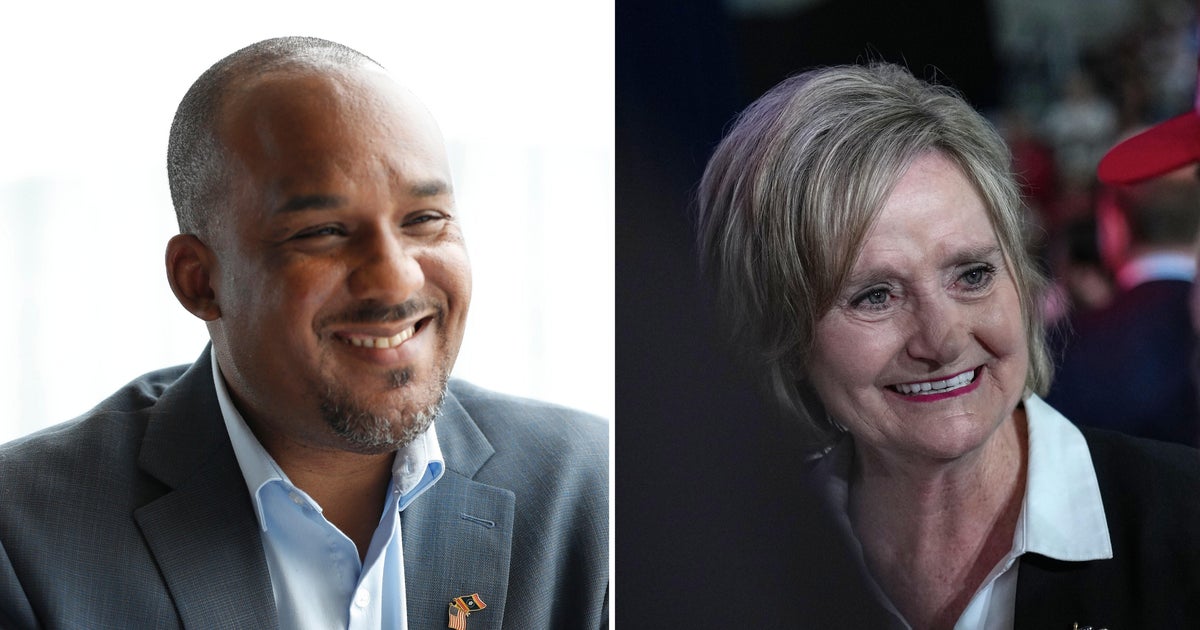
Mississippi Senate race still unresolved after shockingly close Democrat challenge
Democrats have already secured control of the U.S. Senate in the 2026 midterms, but the size of their...

Michigan Voters Pass Money Out of Politics Initiative, Reject Constitutional Convention
Michigan voters on Tuesday overwhelmingly approved a ballot measure barring regulated utilities and large government contractors from spending...