According to reports from Penn Global, these grants are designed to bolster research and engagement initiatives that connect the university's academic expertise with global challenges.
This infusion of research funding arrives as the university’s policy-focused arm, Perry World House, marks its tenth anniversary. In its 2025–26 Year in Review, Perry World House identified four central pillars driving its recent work: climate, democracy, global justice and human rights, and security. These themes reflect a broader institutional push to move academic knowledge from the classroom into the hands of international policymakers.
The Infrastructure of International Engagement
While the new grants focus on specific research outputs, the underlying machinery of the university’s global presence is managed through Penn Global. This central hub, which reports to the Provost Office in College Hall, operates through seven distinct offices to manage the complexities of a massive international academic community.
This year marks Penn’s 4th year attending #COP28 as a formal delegation. One way in which Penn will contribute to the conference will be to present timely research. Check out this featured events calendar to get a glimpse of a few events Penn will host in the coming weeks: pic.twitter.com/LktdSdxJTs
The university’s approach to globalism is segmented into specialized administrative functions:
- Penn Abroad: Coordinates international learning experiences for more than 1,000 students annually, including exchange programs, summer internships, and research projects.
- International Student and Scholar Services (ISSS): Acts as the primary resource for immigration and integration, managing leadership programs like Penn Global Mosaic and the Intercultural Leadership Program.
- Global Support Services: Serves as a single point of contact for international business activities, overseeing travel policy, tax liabilities, and risk assessment.
- Penn Washington: Functions as the university’s physical home in the nation’s capital, housing the Biden Center and the Franklin Initiative to foster dialogue with federal policymakers.
This structure suggests that Penn’s global strategy is not merely about student travel, but about managing the legal, fiscal, and political risks inherent in operating a major American research institution on a worldwide scale.
Connecting Academic Research to Policy Action
A significant portion of the university’s global engagement is centered on bridging the gap between theoretical research and practical governance. Perry World House serves as this primary platform, connecting researchers with global policymakers to address pressing international issues. Penn Global notes that this engagement extends to student-led initiatives, such as the Perry World House Student Fellows, who recently traveled to Washington, D.C., for a series of meetings with policy experts.
The intersection of environmental science and policy has also become a focal point for the campus. On October 7, 2026, Penn Washington, the Public Service and Policy Initiative (PSPI), and the Penn Engineering Green Team hosted a campus discussion specifically focused on how leaders can drive climate policy across local, state, and national levels.
Beyond policy, the university maintains a focus on linguistic and cultural competence through the Penn Language Center (PLC). By offering over 40 world languages per semester, the PLC aims to build multilingual and transcultural skills among both undergraduate and graduate students, supporting the university’s broader research and curriculum goals.
Managing the Risks of a Global Campus
Operating a global network introduces significant administrative hurdles that go beyond simple academic exchange. The Penn Global Business Office is tasked with managing the financial resources of the global initiative, focusing on fiscal responsibility and sustainability while ensuring compliance with international regulations. This includes providing HR and financial support for various Penn Global affiliates.
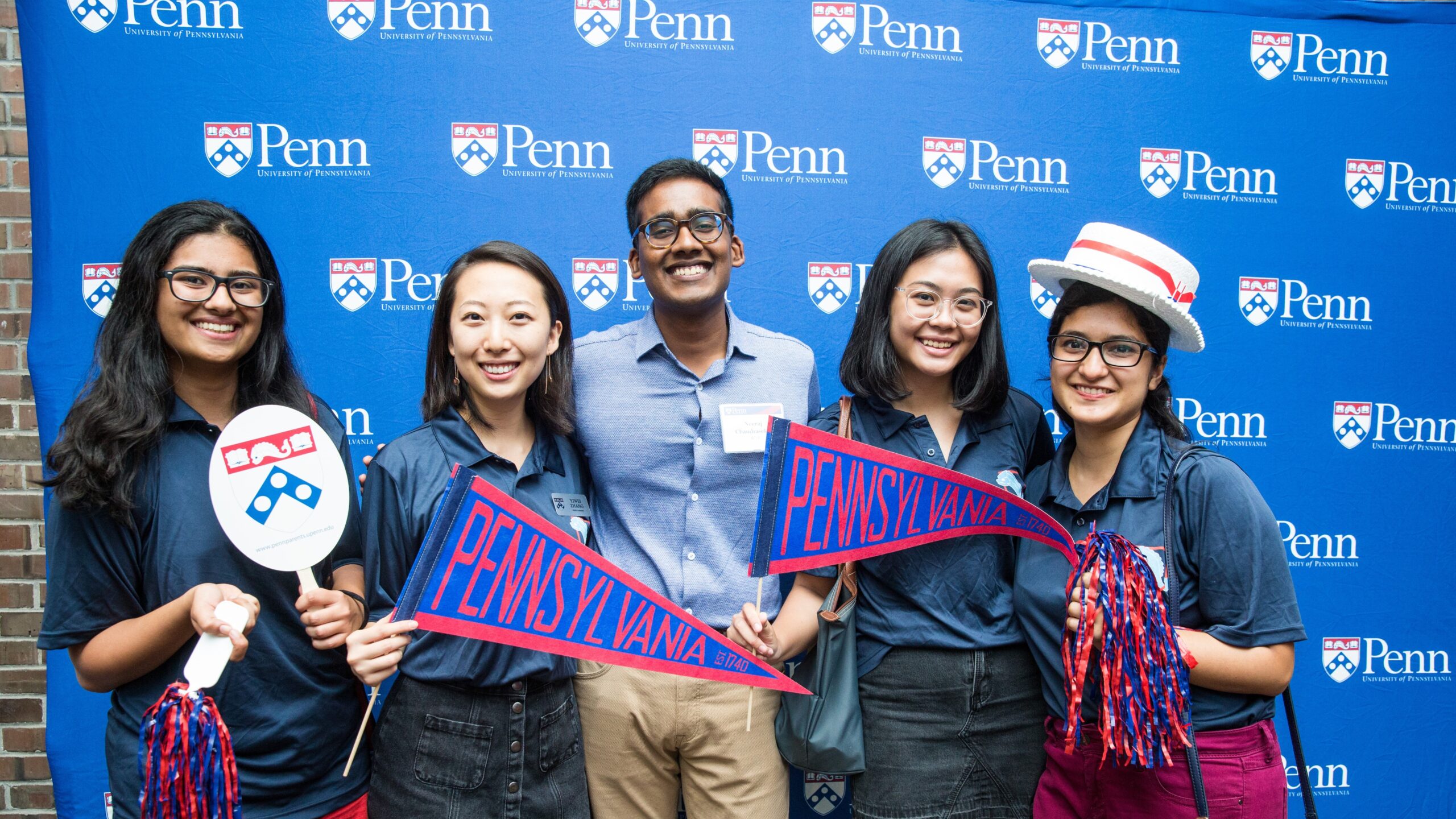
The complexity of these operations is evident in the specialized nature of the Global Support Services office. Because international academic work involves diverse tax liabilities and compliance requirements, the university has established a dedicated “one-stop-shop” to advise the community on the nuances of international business activities and risk assessment.
As the university continues to deploy resources through these various channels, the success of these 17 new research projects will likely depend on how effectively they can leverage this existing administrative and policy-oriented infrastructure to achieve measurable worldwide impact.

Ella Agee Launches Honey Bean Mobile Coffee Business After Graduation
Ella Agee Launches Honey Bean Mobile Coffee Operations in Bucyrus Ella Agee, a 2026 graduate of Colonel Crawford,...
Northern Cheyenne court denies Gene Small request for en banc review
Tribal Appellate Court denies en banc review in Northern Cheyenne leadership dispute The Northern Cheyenne Appellate Court has...

UW-Madison mourns educator and benefactor Tashia Morgridge
The enduring legacy of Tashia Morgridge The University of Wisconsin–Madison community is mourning the loss of Tashia Morgridge,...

Washington’s First Standalone Rolex Boutique Opens in Bellevue
Rolex establishes first standalone boutique in Washington Luxury watch collectors in the Pacific Northwest have a new destination...