
South Dakota Democrats face uphill battle as statewide losing streak persists
While national trends suggested Democrats might make gains during Tuesday’s election, the reality on the ground in South Dakota told a much different story. On the ground at polling places, the party struggled to find footing, facing a long-standing difficulty in connecting with a constituency that has largely shifted toward Republican dominance. According to reporting from the South Dakota Searchlight, interviews with voters on Election Day reflected the deep-seated challenges facing the Democratic Party as it attempted to stop an 18-year losing streak in statewide races.
The struggle is not just about a single election cycle; it is a reflection of a decades-long demographic and political shift. In Sioux Falls, voters like Allison and Cade Wood, both in their mid-20s, indicated they cast their votes exclusively for Republicans. Allison Wood noted her preference for the party’s pro-life stance and conservative values. In the capital city of Pierre, 84-year-old Bill Strickland expressed similar sentiments, stating he voted for the Republican candidates because he knows most of them and believes they have consistently delivered on his expectations.
The political landscape in South Dakota has transformed significantly since the party’s high-water mark in 2008. At that time, Democratic registration peaked at over 200,000 voters, bolstered by Barack Obama’s first presidential victory and the reelection of Democratic stalwarts U.S. Senator Tim Johnson and U.S. Representative Stephanie Herseth Sandlin. Since then, the Democratic presence has eroded. No Democrat has won a statewide race in the state since that era.
The shrinking influence of the Democratic base
The numbers illustrate a steep decline in party relevance. Democratic voter registrations have plummeted to approximately 135,000, leaving them significantly outnumbered by the state’s roughly 330,000 Republicans. Even more telling is the 160,000 voters registered as independents or with no affiliation, a group that now holds substantial sway over the state’s direction. This shift began to solidify following the 2010 loss of Herseth Sandlin to Republican Kristi Noem and the 2014 decision by Tim Johnson not to seek reelection.
The vacancy left by Johnson in the Senate paved the way for Republican Mike Rounds, who secured the seat in 2014 and again in 2020. As Rounds ran for reelection this Tuesday, his primary opposition did not come from a Democrat—the Democratic nominee had dropped out of the race in August—but from an independent, Brian Bengs. This unusual dynamic highlighted the state’s current political reality, where the most competitive races often bypass the traditional two-party structure entirely.
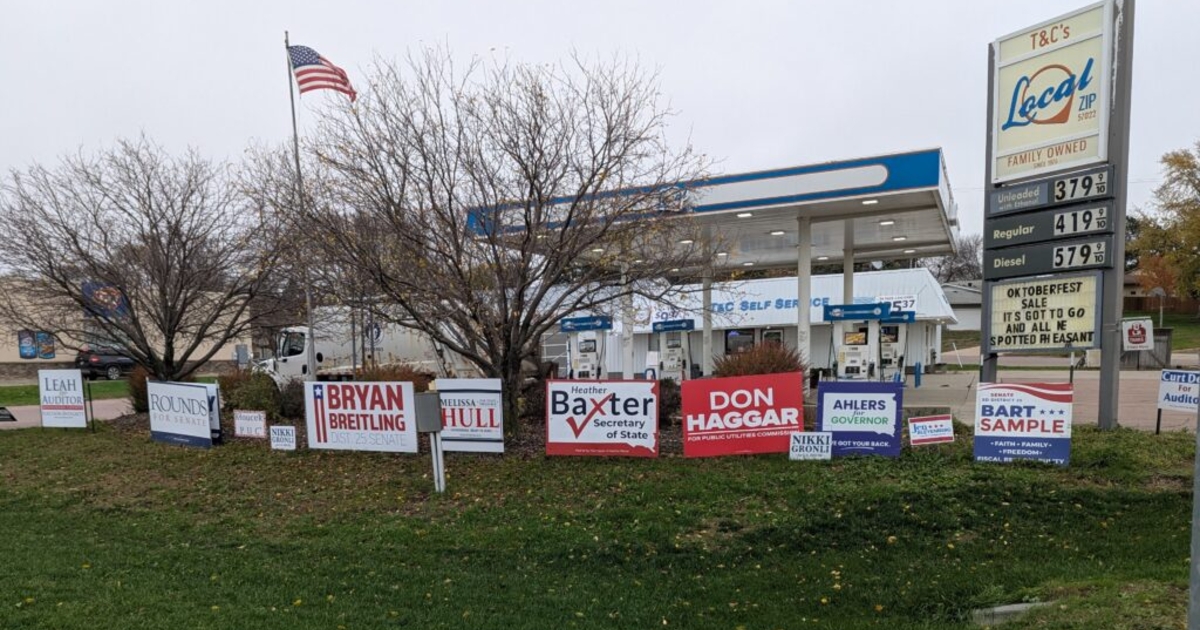
For some, the presence of an independent candidate was a way to signal dissatisfaction with the status quo. Greg Dyer, a 59-year-old independent from Sioux Falls, told the South Dakota Searchlight he voted for Bengs to introduce a “different voice” and more diversity into the state’s political conversations, which he described as being under a Republican “stranglehold.” However, other voters saw the independent movement differently. Michael Heusinkveld, a 62-year-old Republican from Mitchell, dismissed the idea that national momentum for independents would translate to success for Bengs in South Dakota, characterizing the candidacy as “somebody to throw out there.”
A disconnect between candidates and constituents
Even in areas where Democratic candidates have a physical presence, the ideological gap remains wide. In Dell Rapids, the home of Democratic gubernatorial nominee Dan Ahlers, voter Adam Schmitz, 37, noted that while he had encountered Ahlers at community events like trick-or-treat nights, familiarity did not translate to political support. Schmitz, a Republican, remarked that while Ahlers seems like a “nice guy,” their views simply do not align.
This sentiment of misalignment appears to affect even the remaining Democratic base. Heather Reed, a 46-year-old Democrat in Sioux Falls, expressed hesitation regarding the Senate race, noting the difficulty of finding a candidate who possesses both integrity and the will to stand up for marginalized people. Her uncertainty reflects a broader sense of disillusionment within a party struggling to find a message that resonates in a deeply conservative state.
The current electoral math for South Dakota Democrats presents a daunting path forward. To regain statewide influence, the party must find a way to bridge the gap between its shrinking core and the massive block of independent and Republican voters that currently defines the state’s political identity. Whether a new strategy can reverse the trend that began in 2008 remains an open question as the results of Tuesday’s election continue to settle.
Related reading
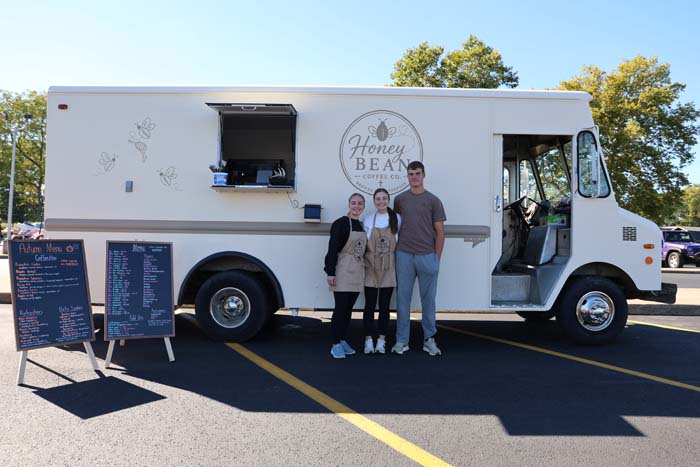
Ella Agee Launches Honey Bean Mobile Coffee Business After Graduation
Ella Agee Launches Honey Bean Mobile Coffee Operations in Bucyrus Ella Agee, a 2026 graduate of Colonel Crawford,...
Northern Cheyenne court denies Gene Small request for en banc review
Tribal Appellate Court denies en banc review in Northern Cheyenne leadership dispute The Northern Cheyenne Appellate Court has...
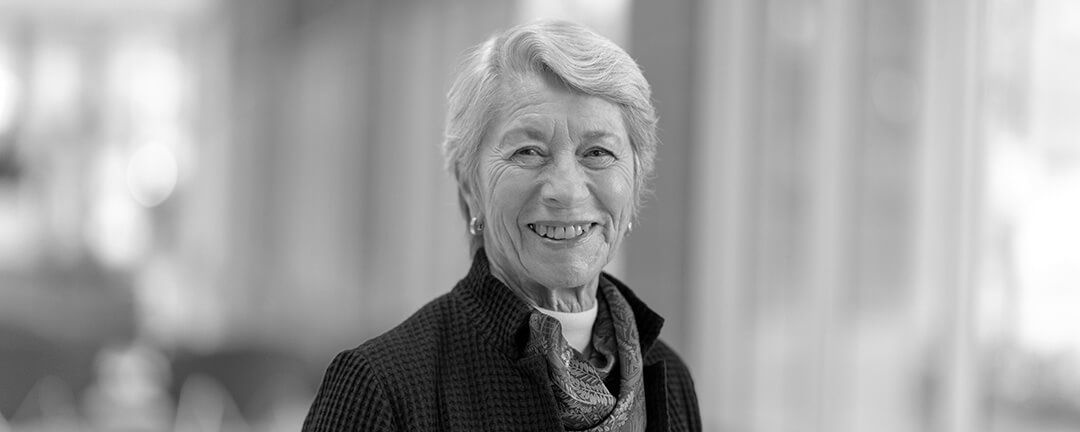
UW-Madison mourns educator and benefactor Tashia Morgridge
The enduring legacy of Tashia Morgridge The University of Wisconsin–Madison community is mourning the loss of Tashia Morgridge,...

Washington’s First Standalone Rolex Boutique Opens in Bellevue
Rolex establishes first standalone boutique in Washington Luxury watch collectors in the Pacific Northwest have a new destination...