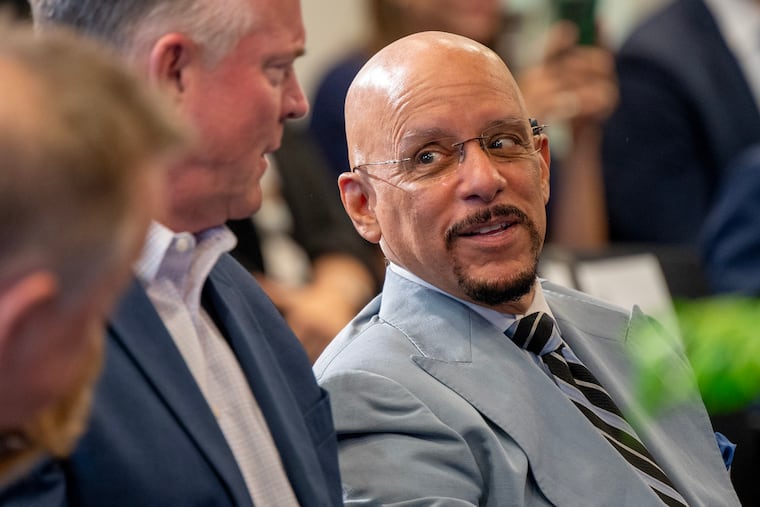
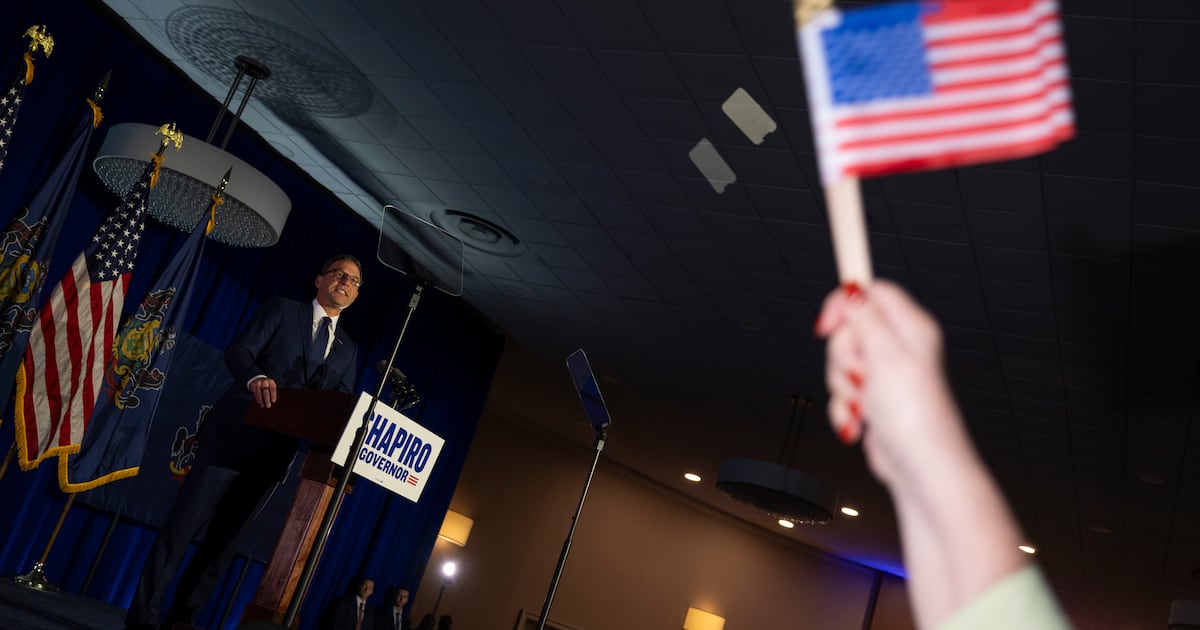
Pennsylvania Democrats captured a governing trifecta in Harrisburg on Tuesday, seizing control of the state Senate and expanding their House majority while Gov. Josh Shapiro secured reelection, giving the party unified control of the Capitol for the first time since 1993, the Philadelphia Inquirer reported.
For Philadelphia, where Democrats hold a supermajority of local offices, the sweep means the city’s most pressing crises—aging school buildings, a looming transit fiscal cliff, and a minimum wage stuck at $7.25 since 2009—now have a direct line to the governor and a legislature that can pass bills without a single Republican vote.
Three Decades in the Making
The math shifted Tuesday night when Democrats flipped three Senate seats to claim a 26-seat majority, while adding seven seats in the House to cement a firm majority there, according to Action News 6abc. With Shapiro in the governor’s mansion, the so-called trifecta ends a long stretch of divided government that saw transit funding and wage bills die in the GOP-led Senate.
House Speaker Joanna McClinton told 6abc that the new alignment clears the path for priorities that previously stalled.
“We had so many things that failed because of the Senate Republicans refusing to compromise. So, we look forward to finally closing the loop on raising the minimum wage, funding our transit system, fairly funding our education, getting ahead of the data center influx,” McClinton said.
State Sen. Nikil Saval, who leads the city’s Senate delegation, framed the takeover as a voter mandate to tackle the cost of living.
“It might have been fanciful or futile to think about certain efforts or ideas under the constraints of having a fairly intransigent Senate Republican majority,” Saval said. “Now, the attitude of government is a widely held desire to do something about it.”
Shapiro Prioritizes State Wage Increase
Gov. Shapiro has named raising the state minimum wage his top priority. The current rate—$7.25 an hour for non-tipped workers—matches the federal floor and has not moved since 2009. The Democratic-controlled House has already passed a bill to lift it to $15, but the measure stalled in the Republican Senate.
Mayor Cherelle L. Parker, a centrist Democrat, said Tuesday that a higher wage would put residents on “a path to self-sufficiency.”
“We don’t have an affordability crisis if what we earn gives us the ability to take care of ourselves,” Parker said.
Schools Staring Down a Multibillion-Dollar Gap
Education funding sits at the center of the city’s wishlist. Pennsylvania’s school funding system was ruled unconstitutional by a Commonwealth Court judge in 2023, a decision that has since pumped hundreds of millions of additional dollars into Philadelphia schools. Yet Chalkbeat reports that districts statewide are still owed an estimated $3.3 billion to meet the “adequacy gap” defined by the state’s Basic Education Funding Commission.
holy shit guys we did it, we're going to fund SEPTA https://t.co/NXoZ5LDmfy
Philadelphia’s own capital needs are vast. The district is executing a master plan that will close 17 schools, and officials estimate that modernizing aging buildings requires a multibillion-dollar investment. City Council President Kenyatta Johnson said the court ruling brought “significant progress” but argued that a Democratic trifecta should push the state to do more.
“If we have a trifecta, we should be doing even more,” Johnson said.
State Sen. Vincent Hughes, who is in line to chair the powerful Senate Appropriations Committee, said Republican control had blocked capital improvements for years.
pennsylvania democrats flipped the state senate for the first time in 30+ years. that’s the chamber where the house’s transit funding bills went to die while septa drew up doomsday cuts. philly’s buses have spent two years as a hostage and the kidnappers just lost their majority
“Republicans repeatedly said ‘no, no, no, no.’ So what are you gonna do? You got to beat ’em,” Hughes said. “Create the trifecta, and then make investments in school infrastructure.”
Yet advocates caution that a blue sweep does not guarantee the district’s budget hole closes overnight. Philadelphia Federation of Teachers President Arthur Steinberg noted that enrollment continues to fall and the facilities plan remains controversial.
“Achieving our policy priorities—which include increasing the minimum wage and fast-tracking adequacy funding to the School District of Philadelphia—is by no means guaranteed,” Steinberg said, according to Chalkbeat.
Last year, Parker sent Shapiro a letter requesting more than half a billion dollars for school buildings, homelessness, affordable housing, and addiction treatment—most of which were left out of his February budget proposal. With Democrats now controlling the Senate, the governor faces different political math as he prepares his next budget. The political shift also opens a parallel track for school choice; supporters of the federal education tax-credit scholarship program see Shapiro’s reelection as a chance to expand options, noting that governors have until Jan. 1, 2027, to opt in.
SEPTA’s $192 Million Cliff
Transit advocates are pressing Democrats to deliver a sustainable funding stream for SEPTA, which faces a structural operating deficit of $192 million in the coming fiscal year. Without new money, service cuts or fare hikes remain on the table. The transit crisis extends beyond Philadelphia; public transit systems across Pennsylvania, including in Republican districts, are facing similar shortfalls, the Inquirer noted.
Shapiro has previously patched the gap with one-time allocations: $153 million in redirected federal highway funds in 2024 to avert fare increases, and $220 million last year for emergency Regional Rail improvements. Now he has proposed taxing unlicensed “skill games” to generate recurring transit revenue—an idea that seemed unlikely under Republican Senate control but is now viable.
Saval emphasized that mass transit directly shapes daily life in the city.
“Mass transit has a direct effect on quality of life for Philadelphians,” he said.
Where the Money Comes From
Finding the cash will be the hard part. The state expects to spend more than it takes in this fiscal year, forcing Democrats to choose between raising taxes on high earners, legalizing and taxing recreational cannabis, or cutting elsewhere. Progressive lawmakers have floated the first two options for years.
The new legislative session begins Jan. 5, when members are sworn in. Until then, Philadelphia’s leaders are watching Harrisburg, waiting to see whether a trifecta translates into the checks the city has been requesting.
Keep reading
Port of Seattle Wins IAP2 Program of the Year for Community Equity
In October, at the International Association for Public Participation's North American Conference in Vancouver, B.C., the Port of...

Cape May and Burlington Counties’ school funding proposals advance on ballots
More than three-quarters of voters in the Avalon Stone Harbor School District backed a $1.5 million bond referendum...

Six new couples named to lead Church historic sites in February 2027
The First Presidency of The Church of Jesus Christ of Latter-day Saints has named six new couples to...

Writer argues Texas’s Republican identity may be giving way
In a column for The New Yorker, a Texas-based writer argues that the state's seemingly unchangeable Republican identity...