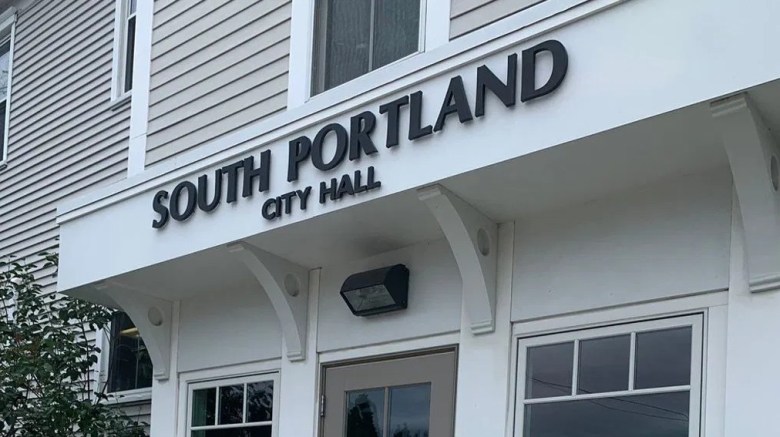
South Portland Rejects $86.6 Million Public Safety Bond as Voters Cite Tax Burden
By a margin of 8,568 to 5,002, South Portland voters on Tuesday rejected an $86.6 million public safety referendum that would have funded new police and fire stations, delivering a decisive verdict on affordability in a city where residents say rising costs are already stretching household budgets to the breaking point, the Portland Press Herald reported.
The defeated bond measure would have directed up to $44.35 million toward constructing a new police station on the vacant Walgreens parcel at Cash Corner, a property the city acquired earlier this year specifically for this purpose, and $44.25 million for a new central fire station to be built directly on the footprint of the existing combined police and fire facility. The current structures tell a stark story of deferred maintenance spanning decades: the police station was built in 1967 and the fire station in 1955, and both now fail to meet current building codes while suffering from significant mechanical, electrical and plumbing issues that compromise daily operations. The HVAC systems in both buildings have exceeded their operational lifespan, and the basement evidence room and emergency operations center flood regularly, creating conditions that Police Chief Dan Ahern and Fire Chief Phil Selberg have both publicly stated leave their departments in desperate need of new homes that meet modern public safety standards.
Yet the financial calculus proved insurmountable for a clear majority of voters. For a median-priced single-family home valued at $514,000, the bond would have added $255 to the annual property tax bill in fiscal year 2028. By the second phase of the bond, that same household would have seen taxes rise an additional $244, bringing the total estimated impact to about $500 for fiscal year 2030. Averaged across the entire 31-year duration of the bond from fiscal year 2028 through 2059, the annual tax impact would have been approximately $345, or roughly $28 per month. Many residents told the Press Herald they are struggling to afford living in South Portland without these additional burdens, particularly as other overdue municipal infrastructure updates compete for the same limited tax dollars.
That pressure is compounded by scheduled increases in utility costs that will hit regardless of the bond outcome. According to a presentation delivered in March, the average resident’s monthly sewer bill is estimated to increase by $9.30 in fiscal year 2027, $11.72 in 2028 and $14.76 in 2029 to fund a new pump station and other wastewater infrastructure improvements alongside typical operating increases. The combination of a potential half-thousand-dollar property tax hike and steadily climbing sewer rates has left some homeowners questioning how much more the city can reasonably ask of them at a time when they are feeling increasingly pinched by the rising cost of living in the community.
While the public safety funding failed at the ballot box, voters did select new leadership for the coming term. Elyse Tipton and Carter Scott won reelection to the City Council, and newcomer Ellen Clancy, who ran unopposed, will represent District 2 on that body. On the School Board, Stephanie Edwards and Eleni Richardson were elected as at-large representatives, while Carlton Parsons, also running unopposed, will represent District 5. The complete unofficial results are available on the City of South Portland’s official election results page.
The 1967 police station and 1955 fire station remain in daily use despite their code violations, flooding basements, and failing mechanical systems, while city leaders must now determine how to address facilities that the police and fire chiefs describe as desperate for replacement. With sewer rates set to climb through 2029 and a clear signal from more than 8,500 voters that new tax burdens are unwelcome, any future attempt to fund public safety facilities will need to find a substantially different path forward.
Related reading

Nelson County Man Arrested for Internet Crimes Against Children
The Alleghany County Sheriff’s Office has arrested a Nelson County man in connection with internet crimes against children,...

Melinda Ann Haney Obituary: Remembering a Life of Service in East Prairie
Early Wednesday morning, November 4, 2026, the household on a quiet street in East Prairie, Missouri, fell silent....

Port of Seattle Wins IAP2 Program of the Year for Community Equity
In October, at the International Association for Public Participation's North American Conference in Vancouver, B.C., the Port of...

Cape May and Burlington Counties’ school funding proposals advance on ballots
More than three-quarters of voters in the Avalon Stone Harbor School District backed a $1.5 million bond referendum...