
Pennsylvania Election Officials Finalize Midterm Preparations Across 67 Counties
Across the commonwealth on Monday, election workers in 67 counties finished final preparations for midterm elections that will decide the balance of power in state and federal governments for the next two years. Pennsylvania has sat squarely in the national spotlight in the weeks leading up to the midterms. Voters face a ballot featuring an election for governor, four highly competitive congressional races, and nearly 250 state legislative seats.
The intense focus arrives alongside federal friction. Earlier this year, the Trump administration sought out comprehensive state voter rolls, cracked down on a limited number of instances involving noncitizen voting, and initiated lawsuits seeking to meddle in the elections of other states. Voting rights watchdogs have stayed on high alert for potential disruptions.
Despite ongoing efforts to improve ballot access and security, voters remain wary for a variety of reasons tied to their political orientation, penncapital-star.com reported.
“There’s probably more questioning about the integrity of our elections, and people just don’t know what to believe or where to get their information or (whether) what they’re seeing is true,” said Committee of 70 President & CEO Lauren Cristella.
Nationwide legal battles have fueled that anxiety. The Trump administration sued in Alaska to set aside election results if incumbent U.S. Sen. Dan Sullivan is defeated in the state’s ranked-choice contest because an opposing candidate shares his exact name on the ballot. A federal judge dismissed that lawsuit on Sunday, and the administration vowed to appeal. In California, the administration asked the U.S. Supreme Court to block officials from counting mail-in ballots from 20,000 individuals that federal officials allege are likely noncitizens.
Federal Monitors and Local Reassurances in Pennsylvania
Closer to home, election officials in two of the four Pennsylvania counties where the U.S. Department of Justice is sending election monitors on Tuesday say the federal presence is business as usual. The DOJ sent monitors to Luzerne County in both 2022 and 2024. Political parties, campaigns, and civil rights groups also routinely deploy their own poll watchers.
“Our voters should know that their vote is safe, and the process is transparent and fair, and not to have any fears if they go to the polls,” Luzerne County Manager Romilda Crocamo said. She added that monitors, whether from the ACLU or the DOJ, are barred inside polling places and must remain outside.
Lehigh County is also expecting DOJ poll monitors, with County Director of Elections Mike Paston noting that the only change is a slightly higher number of observers. Eight federal observers will work in pairs or trios across the county’s 158 precincts.

“It’s not the first time we’ve had monitors, probably won’t be the last,” Paston said. “There’s no reason, from what they’ve said and done, there’s no reason to think their motives are anything but aboveboard and normal.”
Federal monitors must stay away from entrances, cannot carry weapons, and are prohibited from questioning voters entering the polls, though they may speak with voters leaving.
“The level of preparation that has gone into this election is quite high. Perhaps that’s why we’re hearing of so few problems,” said League of Women Voters of Pennsylvania Executive Director Amy Widestrom. “It’s really quiet. I hope it stays quiet tomorrow.”
Voters have responded to the heightened stakes with strong engagement. Widestrom pointed to a high mail-in ballot return rate, reaching 83 percent as of Monday.
The Rising Tide of Vitriol and Administrative Adaptations
That engagement has a dark side: intense vitriol directed at local election workers. Lycoming County Election Director Forrest Lehman called the demagoguery against officials the worst he has seen since 2020.
“We’ve got the right-leaning sphere out there accusing election officials (of) harboring non-citizen voters. DOJ is sending threatening letters out to state officials, threatening to prosecute them. And then on the left-leaning side, we’ve got them accusing election officials of voter suppression at the drop of a hat on issues like ballot curing and drop boxes,” Lehman said.
Earlier this year, an executive order signed by President Trump aimed to block the postal service from delivering mail ballots to voters not on lists submitted by state officials. Although the U.S. Supreme Court froze those restrictions in September, several counties proactively expanded alternatives for mail-in voting.

While Pennsylvania lacks true early voting, many counties permit voters to obtain a mail ballot on demand, complete it, and return it in the same location before Election Day. Bucks County added four locations for its 487,000 registered voters, bringing its total to seven. Lehigh County added five drop boxes to reach a total of ten options.
In Chester County on Monday, the district attorney’s office announced that initial testing by the FBI determined a mail-in ballot containing a foreign object—flagged last week by an election worker—was not hazardous.
For election administrators, managing the unexpected is part of the job.
In York County, President Commissioner Julie Wheeler noted that the final hours are dedicated to last-minute logistics like delivering machines, organizing poll books, and positioning roving teams with backup supplies.
Polls across Pennsylvania remain open from 7 a.m. to 8 p.m. Anyone standing in line before polls close will be allowed to cast a ballot, while unreturned mail-in ballots must be dropped off at designated county return locations listed on the Department of State’s website.
Worth a look

Robert H. Garner, Outdoorsman and Vietnam Veteran, Passes Away
Remembering Robert H. Garner Robert H. Garner, a lifelong outdoorsman, veteran, and family man, passed away on Tuesday,...
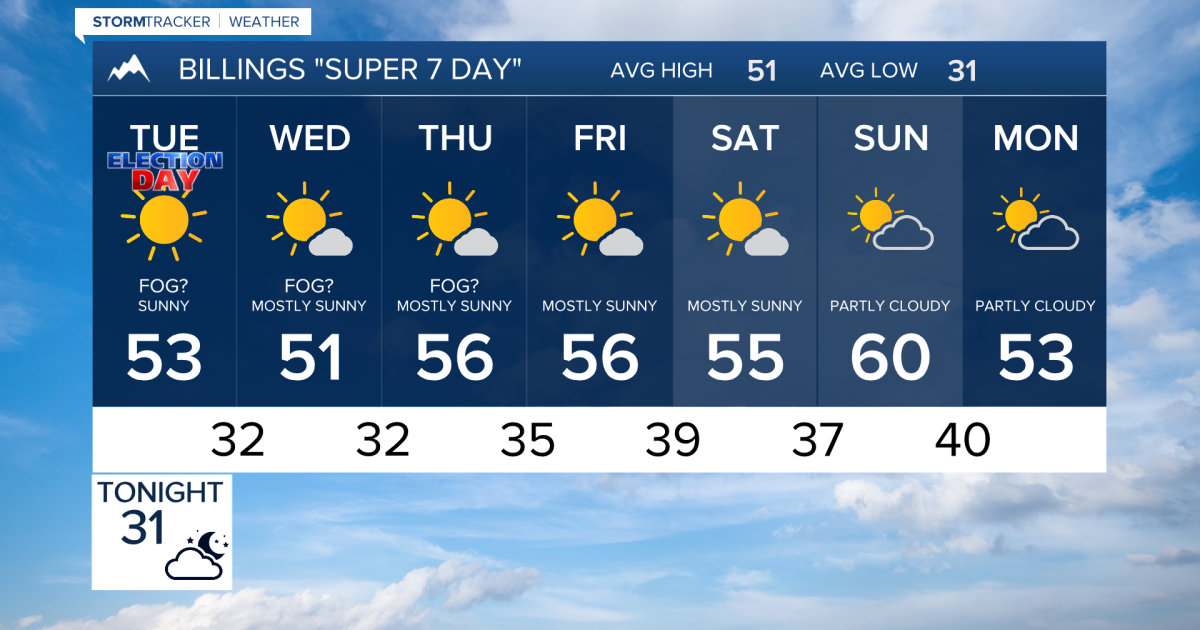
Temperatures climb across southern Montana and northern Wyoming
Winds Ease and Temperatures Climb Across Southern Montana and Northern Wyoming Rain and mountain snow will steadily taper...
$678,175 Spent on Minneapolis City Hall Repairs and Flagpole Replacement
Minneapolis and Hennepin County Spend $678,175 on City Hall Flagpole and Tower Repairs Government infrastructure maintenance often lands...
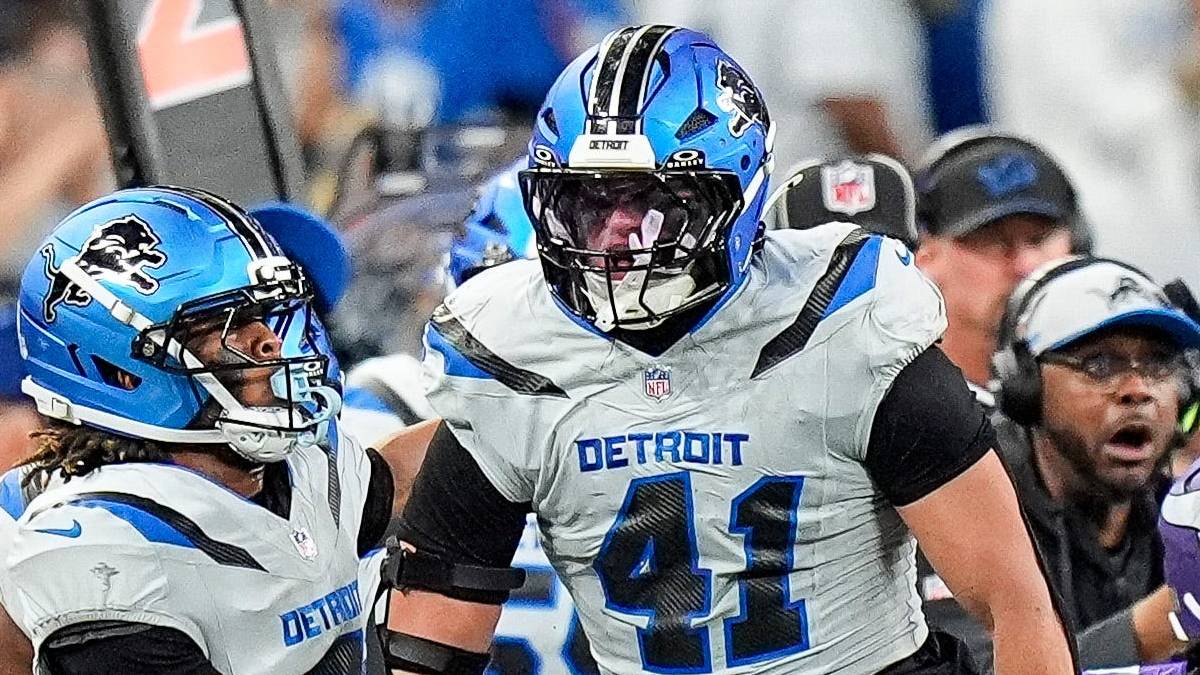
Detroit Lions Injury Updates: Rolder, Reed, Mays, Wonnum, Branch – Sports Illustrated
Dan Campbell Announces Jimmy Rolder's Season-Ending Hamstring Injury After Vikings Game Rookie linebacker Jimmy Rolder's first NFL season...