The Shapiro vs. Garrity Race for Pennsylvania Governor
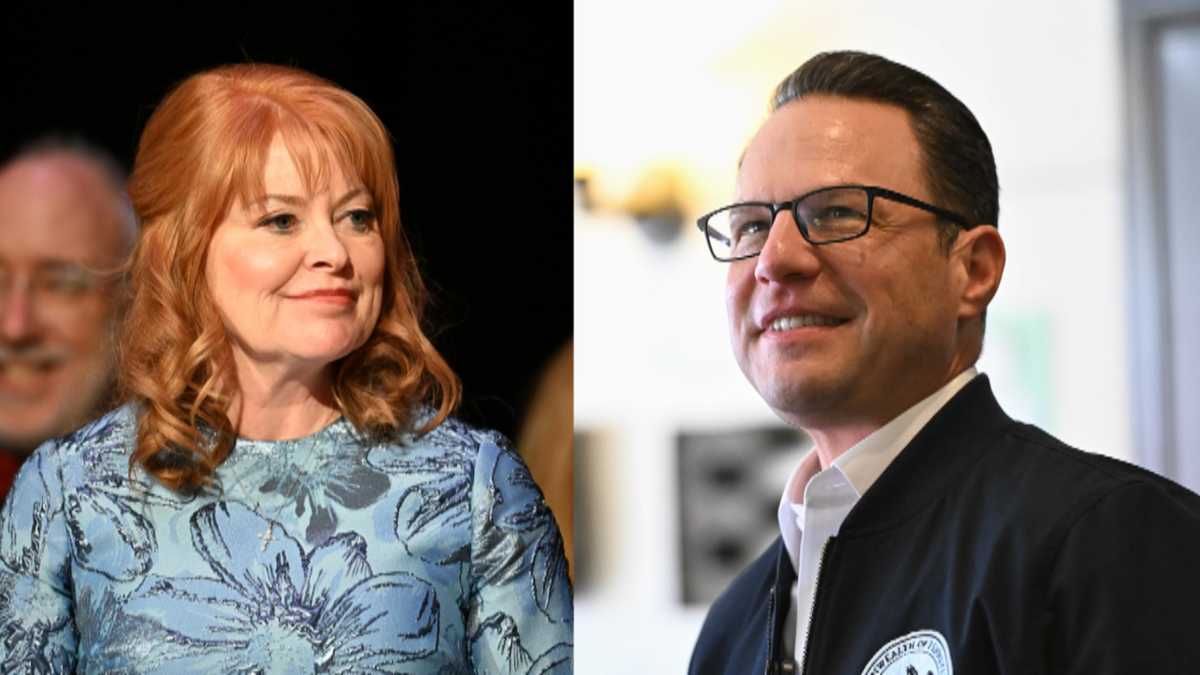
As of November 3, 2026, Pennsylvania voters are deciding between Democratic incumbent Governor Josh Shapiro and Republican State Treasurer Stacy Garrity for the state’s highest executive office. The race, which has unfolded across a landscape of shifting economic priorities and regional policy debates, represents a significant test for both parties as they court voters from the rural counties to the urban centers of the Commonwealth. WTAE reported that both candidates successfully navigated their respective party primaries uncontested in May, setting the stage for this head-to-head general election contest.
Policy Clashes on Healthcare and State Spending
The campaign trail has seen the candidates trade sharp disagreements over the state’s fiscal future and the management of essential services. A primary point of contention has been the administration of Medicaid and the impact of federal policy on Pennsylvania’s rural healthcare infrastructure. During a recent debate in Harrisburg, Governor Shapiro framed his opposition to federal-level legislation as a defense of local access.
“A bill that was passed in Washington, D.C. to slash funding for Medicaid and SNAP in rural hospitals, all to give people at the very top who didn’t need it a tax cut. That was a bill that I strongly opposed,” Shapiro stated.
Stacy Garrity, currently serving as State Treasurer, challenged this narrative during the same event. She pointed to current budgetary figures to argue that state support for social safety nets remains robust despite the governor’s claims.
“What he didn’t tell you is Medicaid’s not being done away with. In fact, we’re spending more on Medicaid this year than last year,” Garrity responded.
Beyond healthcare, the candidates have held conflicting stances on the state gas tax and the expansion of data centers, issues that touch directly on Pennsylvania’s energy policy and economic development strategy.
Election Day Coverage Across the Commonwealth
The outcome of this race will have direct implications for the state’s legislative agenda, particularly as it intersects with other contests appearing on the ballot, including various U.S. House races and local county elections. WTAE is tracking results as they arrive from across Western Pennsylvania, providing data for counties ranging from Allegheny and Beaver to more rural areas like Armstrong, Clarion, and Venango.
These results are being closely watched for shifts in voter turnout and party preference, which often serve as bellwethers for the broader political climate in the Commonwealth. The sheer breadth of the regional coverage underscores the high stakes for the residents of these counties, who are navigating local economic challenges alongside the broader statewide gubernatorial contest.
The Stakes for Pennsylvania Voters
The decision facing Pennsylvanians today is more than a choice between two candidates; it is a choice between two distinct visions for the state’s fiscal and social policy. While Governor Shapiro emphasizes a government-led approach to protecting services like Medicaid, Treasurer Garrity has focused her campaign on fiscal accountability and the management of state resources.
The final tallies from the counties will determine whether the Commonwealth maintains its current gubernatorial direction or shifts toward the platform proposed by the Republican challenger. As the votes continue to be counted, the focus remains on the specific needs of Pennsylvania’s diverse regions, where the impact of state-level decisions on gas taxes and rural hospital funding is felt most acutely.

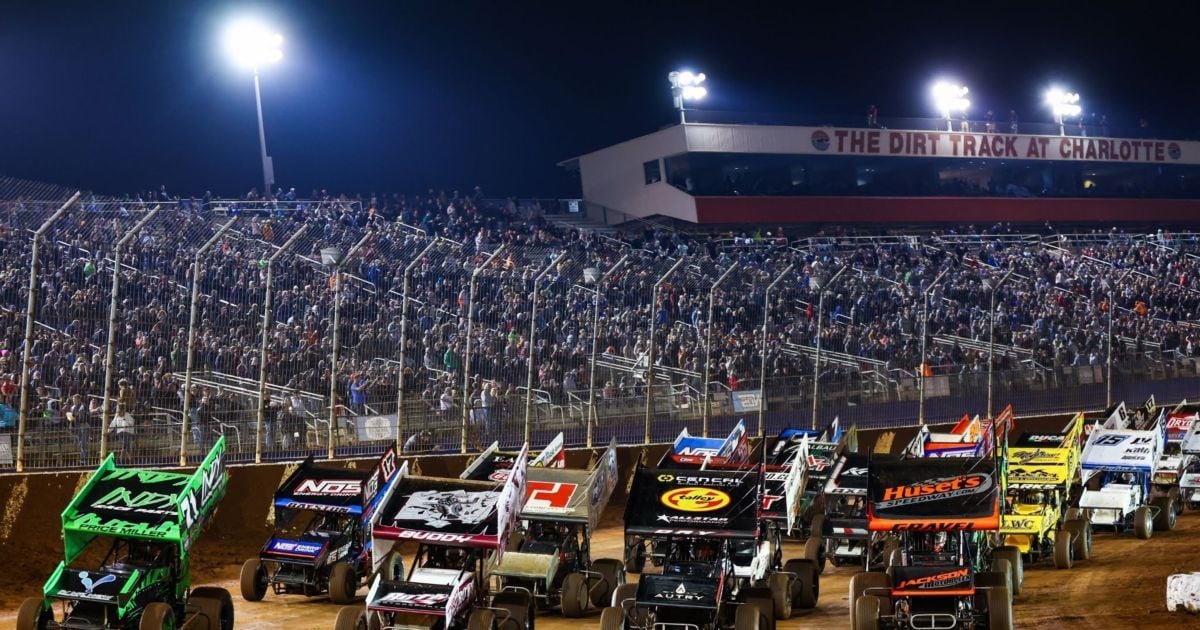
World of Outlaws World Finals: 3 Series, 4 Days of Championship Racing at Charlotte
The Dave Smith Motors World of Outlaws World Finals returns to The Dirt Track at Charlotte Motor Speedway...

Mississippi’s Crisis of Poverty, Infrastructure, and Voting Rights: The SPLC Truth, Poverty and Democracy Tour
Mississippi Residents Demand Solutions as Water and Infrastructure Crises Deepen Inside the Mendon Zion Primitive Baptist Church in...

GOAT USA Offers Free Shipping on Orders Over $125
Shipping Policy Updates Impacting Annapolis Mall Shoppers Shoppers heading to the GOAT USA retail location at the Annapolis...

2026 Toyota Tacoma Hybrid TRD Off-Road Features Efficient 4WD Performance
The 2026 Toyota Tacoma Hybrid TRD Off Road Hits the Baton Rouge Market All Star Toyota of Baton...