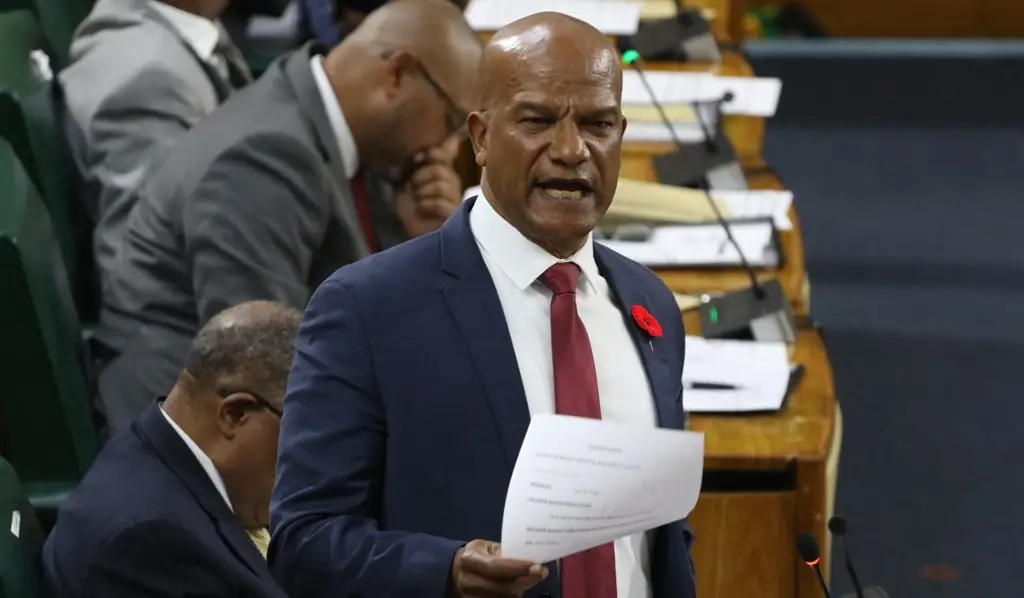
Bunting’s Three-Part Plan to Reshape Manchester Southern
On Tuesday, November 11, 2025, Member of Parliament for Manchester Southern Peter Bunting stood before the House of Representatives and unveiled a comprehensive three-part strategy to transform his largely rural constituency. The plan, built on expert analysis and guided by community consultations, targets three interconnected economic pillars: agriculture, the blue economy, and community-based tourism. Bunting, who also serves as the Opposition Spokesman on Productivity, Efficiency and Competitiveness, framed the effort as a fundamental rethinking of the area’s future, aimed at creating genuine opportunities for young people to stay in or return to their home communities.
A Modern Agricultural Backbone
The first pillar of Bunting’s plan is the modernization of agriculture. He pointed to the harsh reality faced by farmers on the Manchester plateau, left extremely vulnerable by recurring droughts due to their near-total dependence on rainfall. The recent escallion glut in New Forest served as a stark lesson. Increasing production is pointless, he noted, if farmers cannot find dependable markets to sell their goods profitably. The plan proposes a suite of solutions: technological upgrades, better irrigation and water management systems, the organization of farmer clusters, and the development of agro-processing facilities to add value to local produce.
The goal is to move beyond subsistence farming and build a strong agricultural sector that can withstand climate shocks and capture more of the value chain for local growers.

Unlocking the Blue Economy
Turning to the coast, Bunting outlined a vision for strengthening the blue economy. He highlighted the proposed Alligator Pond Blue Economy Hub as a key initiative. The hub is designed to strengthen fisheries, improve seafood handling and processing, and create better market access for local fishers. But its impact would extend beyond the boats and nets. Bunting emphasized that the hub would also create a ripple effect for vendors, restaurants, and other small businesses, fostering a more vibrant local coastal economy.
He sees this as a way to unlock the untapped potential of the sea, turning natural resources into sustainable livelihoods for the community.
Tourism That Serves the Community
The third pillar focuses on community and cultural tourism, with a clear philosophy: to create locally-owned accommodation, transport, food, and visitor experiences. The objective is simple but powerful: to ensure a much larger share of visitor spending remains in the communities that create the authentic experiences tourists seek. This approach, Bunting argued, reinforces the other two sectors. A thriving farm can supply fresh produce to a local restaurant. A vibrant fishing cooperative can provide seafood for the same tables. The plan calls for supporting these interconnected sectors with digital skills, technical training, and small-enterprise development.
He also insisted that the story of Manchester Southern must include its bauxite mining legacy. Communities that have borne the environmental and social costs of extracting billions of dollars in mineral wealth deserve a fair and lasting share of those benefits. They shouldn’t have to “beg for crumbs,” he argued; they deserve proper land rehabilitation, lasting infrastructure, and investments that will benefit future generations.
From Strategy to Immediate Action
Bunting stressed that while his team advocates for this long-term structural change, they are also deeply engaged with the immediate needs of constituents. Before Hurricane Melissa, they supported drain cleaning. In the storm’s aftermath, the team distributed food, water, tarpaulins, and hygiene supplies. They also facilitated internet connectivity and charging facilities in areas where communications were knocked out. Collaborating with relevant agencies, they have also supported water trucking, de-bushing, and drainage work.
The commitment to on-the-ground support extends to health and education. Bunting’s team organized a medical fair and supported another, reaching hundreds of constituents. They provided educational assistance to approximately 300 students at different levels, with a particular focus on tertiary education due to its high cost. In a nod to the future, he launched a “drones in schools tour” that reached five schools, exposing students to practical applications of emerging technology. “I want our children to see technology not as something happening elsewhere, but as something they can use to create opportunities in Manchester Southern,” Bunting said.
A Call for a New Funding Model
Bunting concluded his presentation with three concrete proposals aimed at systemic change. First, he called for a needs-based infrastructure funding formula that goes beyond simple population counts to consider geography, road networks, settlement patterns, and the actual cost of providing services. Second, he advocated for coordinated investment in essential rural services like roads, water, education, healthcare, broadband, and accessible financial services. Third, he pushed for sustained support for rural enterprise, skills, and investment.
He concluded with a direct appeal: “I invite the Government, private sector and development partners to help convert our Constituency Development Plan into funded projects with measurable outcomes, clear timelines and accountability. The people of Manchester Southern are not asking for charity. They are asking for a fair chance to succeed where they live.”
Bunting presented this plan as a major shift toward proactive development and building a self-sustaining economy where the community is the primary beneficiary of its own resources and labor.
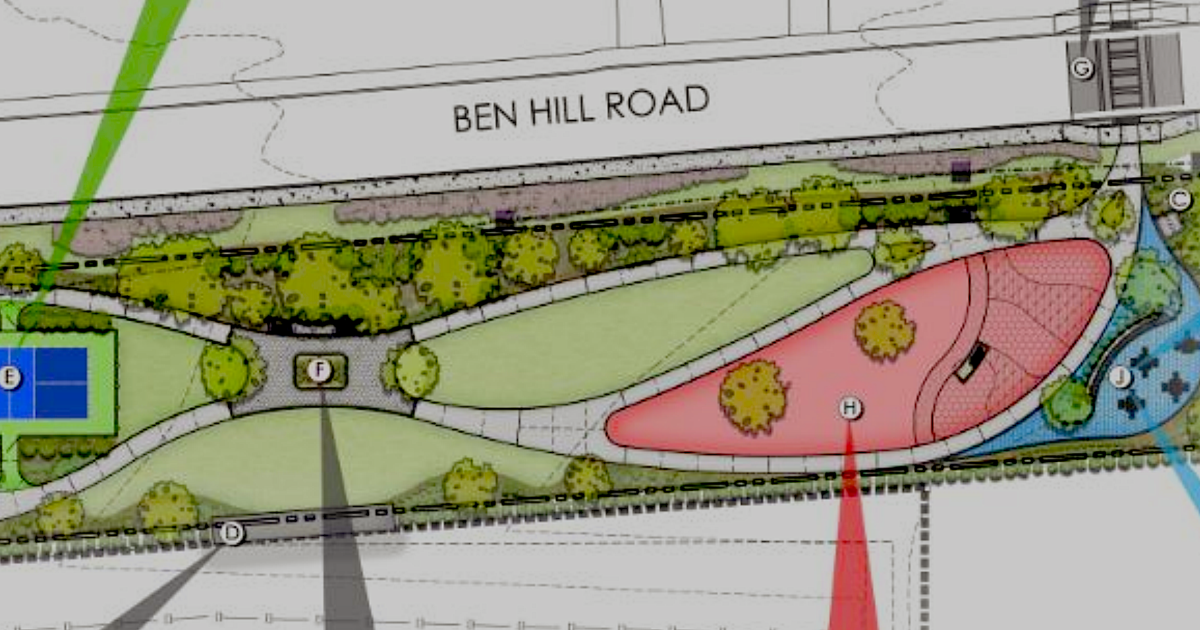
Microsoft and East Point to Debut Ben Hill Road Pocket Park
A New Green Space for the Southside: Microsoft-Backed Ben Hill Road Pocket Park Set to Open Next week,...
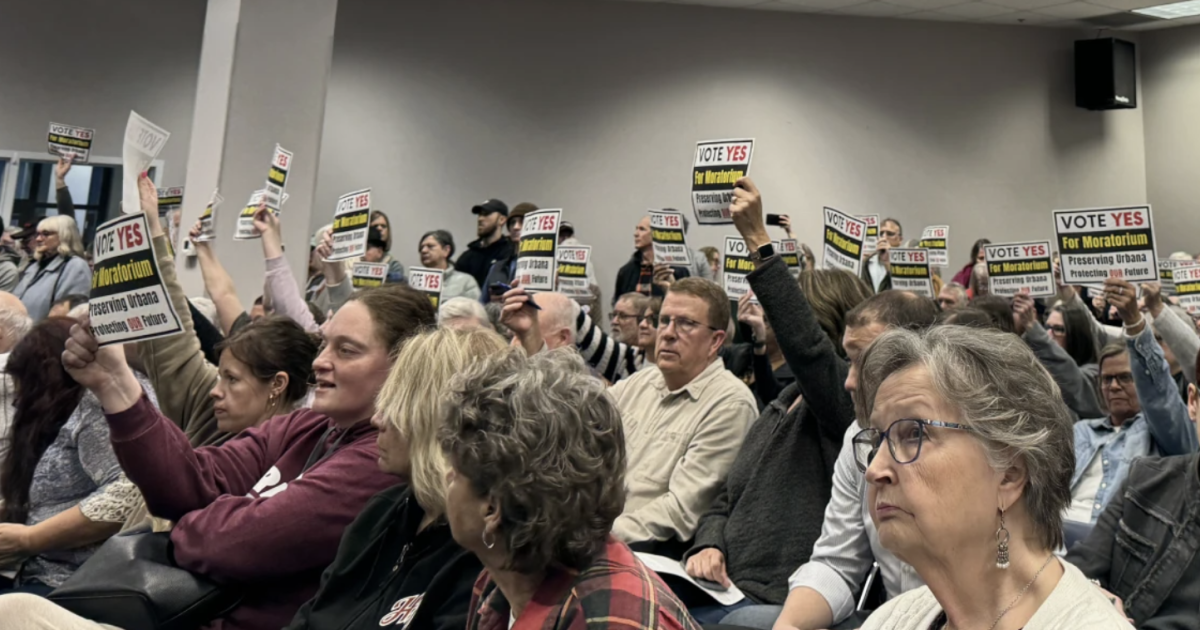
Ohio Voters Approve Bans and Limits on Data Center Construction
Voters Turn Back the Tide on Data Centers in Ohio's Miami Valley “The results turned out the way...

New Bedford Bar Stabbing Suspect Arrested in Hartford, Connecticut
Hartford Arrest Ends Cross-State Hunt for New Bedford Bar Stabbing Suspect A fugitive wanted for a violent double...

Xavier Becerra wins governor’s race in California
The Becerra Era Begins: A Governor with Few Debts and a State Full of Problems California has a...