
Philippine forces fielded a BrahMos shore-based anti-ship missile battery for the first time in a live deployment this month, testing their ability to strike hostile vessels in the Luzon Strait during the annual DAGIT-PA exercise that runs through Friday, USNI News reported.
The 10th iteration of the joint drill, which began Nov. 17 across Northern Luzon, the Western Command and the National Capital Region, marks the first confirmed field deployment of the Indian-made supersonic missiles since the Philippines acquired them, according to an Armed Forces of the Philippines release. Philippine Marines had rehearsed their use during Balikatan 2026, but this exercise moved the battery into operational positions near the strait.
Philippine News Agency said the Maritime Key Terrain Security Operations-North on Nov. 21 seized an airfield on Fuga Island, launched an amphibious assault and secured the island against a notional enemy. Special forces landed to hold the territory, while a Philippine Navy transport ferried Philippine Air Force surface-to-air missiles to a Northern Luzon Marine base, escorted by a frigate that simulated defense against air attack.
Daily Tribune reported that Gen. Antonio Nafarrete led officials at Counter Landing Live Fire Exercise 2 in Barangay Dodan, Aparri, Cagayan, on Tuesday. ATMOS self-propelled howitzers, 105 mm artillery, S-70i Black Hawk helicopters, V150 and Simba armored vehicles and riverine units participated.
The restricted firing zone off Barangay Dodan covers about 7,212 hectares, The Manila Times said, citing Coast Guard Station Cagayan.
Philippine Daily Inquirer quoted Nafarrete saying the military is concentrating procurement on “kinetic” capabilities — missiles, artillery and bombs — for territorial defense. He confirmed an “active defense” approach but did not name specific systems or timelines. Washington previously approved a possible $5.58 billion sale of 20 F-16 fighters and related equipment, though no purchase is finalized.
“The high-intensity exercise tested the AFP’s ability to conduct coordinated maritime strike operations through joint command and control, integrated air and naval capabilities, and long-range anti-ship systems,” the AFP release read.
“It was aimed to strengthen the country’s ability to secure vital maritime approaches, particularly the Luzon Strait, and prevent hostile forces from advancing through strategic waterways.”
PLAN aircraft carrier Liaoning and its escorts passed through Philippine waters last month for drills. Nafarrete said the military aims to hold such adversary formations under threat while within Philippine waters.
AFP Chief of Staff Gen. Antonio Nafarrete told reporters on the sidelines of the 10th AJEX Dagitpa opening ceremony at Camp Aguinaldo that the military is concentrating procurement on kinetic capabilities — missiles, artillery and bombs — for territorial defense. Any acquisition undergoes appropriate assessment and procurement processes based on operational requirements and national defense priorities, AFP spokesperson Col. Francel Margareth Padilla said.
Padilla said the United States‘ continued support contributes to ongoing modernization and efforts to develop a credible defense posture.
AFP Tests Integrated Air and Missile Defense Capabilities in Northern Luzon The Armed Forces of the Philippines (AFP) conducted an Integrated Air and Missile Defense (IAMD) exercise on November 19, 2026 at Camp Cape Bojeador in Burgos Ilocos Norte as part of the Defense of… pic.twitter.com/NfNpm4Vh5S

UNAIDS Warns $4.3B Funding Gap Threatens HIV Progress as Prevention Declines
A $4.3 billion funding gap threatens HIV progress in low- and middle-income countries, UN News reported. Some 32.1...

Immigration Stops Cockroach Party Leader From UK Flight, Say Sources
Cockroach Janta Party co-convenor Saurav Das was stopped by immigration officers at Delhi airport early Tuesday and prevented...

Hepatitis B Newborn Vaccination Rate Falls to 66%, Truveta Analysis Finds
Hepatitis B vaccination of U.S. newborns within 24 hours of birth fell to 66% by June, down from...
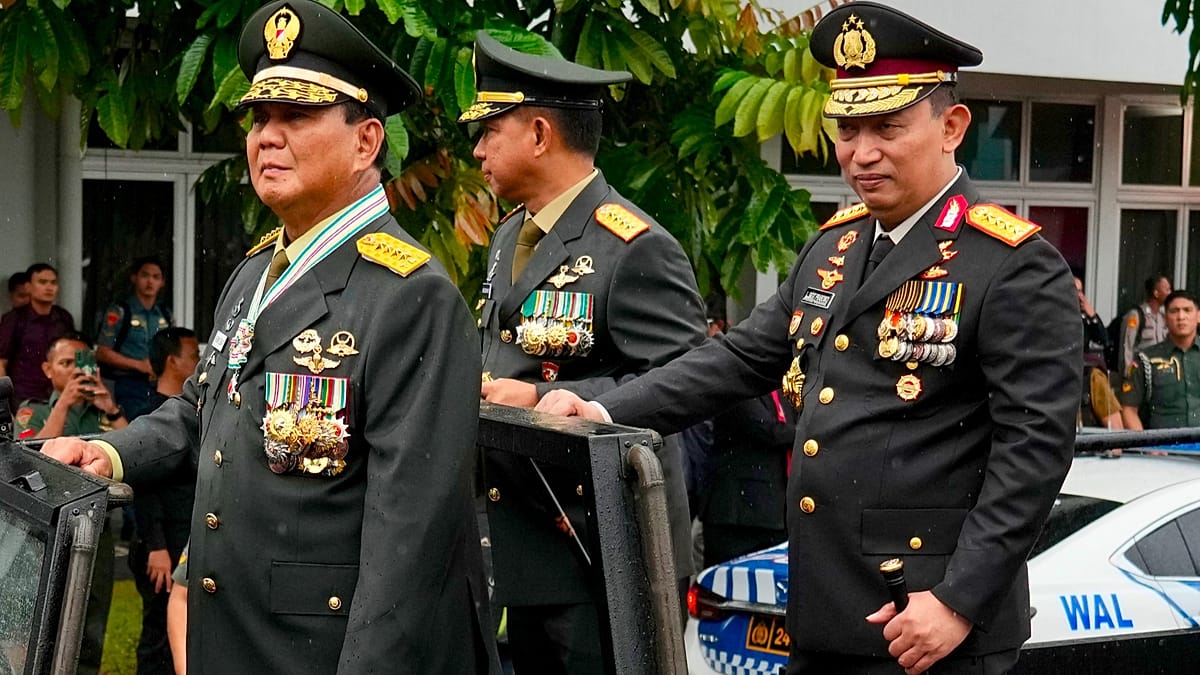
Indonesian Police Name Ex-Chief Listyo, Five Officers as Treason Suspects
Indonesian police named six senior officers as treason suspects on Monday, expanding a wiretapping investigation that already targets...