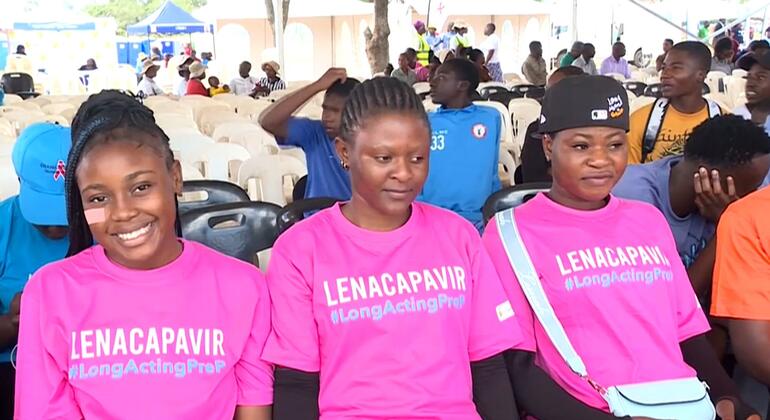
A $4.3 billion funding gap threatens HIV progress in low- and middle-income countries, UN News reported.
Some 32.1 million of the 40 million people living with HIV are now on treatment, but the shortfall between available resources and what is needed to sustain results has widened. Prevention programs have been particularly hard hit. In 2025, around 446,000 fewer people gained access to pre-exposure prophylaxis (PrEP) compared with the previous year, UNAIDS found across reporting countries.
Among key populations, PrEP use declined by 59 percent among sex workers, 58 percent among people who inject drugs, 23 percent among transgender people and 17 percent among gay men and other men who have sex with men.
Prevention collapse drives future burden
“We know what happens when HIV prevention collapses.”
Civil society organizations, often the only trusted bridge between health systems and people most at risk, have seen significant funding withdrawals over the past two years. More than three-quarters of surveyed organizations reported service disruptions, and over 80 percent were operating at less than half capacity by the end of 2025.
Debt limits domestic absorption
In many affected countries, debt obligations now exceed government health spending by two- or three-fold, making it difficult to absorb international funding losses. External resources account for up to 98 percent of all HIV resources in Nigeria, 94 percent in Mozambique and 80 percent in Uganda. International donors finance all reported prevention spending in Eritrea and Zambia, according to UNAIDS.
Advanced disease detection falters
The worst effects of the 2025 cuts may still be ahead, the agency warned. While existing treatment programs offer short-term protection, disruptions to prevention, testing and treatment are expected to drive up new infections, AIDS-related illness and deaths.
Testing for advanced cases fell by 35 percent across six countries between 2024 and 2025, making it increasingly difficult to detect treatment failure and provide timely, lifesaving care.

Philippine Forces Deploy BrahMos Missiles, Warships to Secure Luzon Strait in Annual DAGIT-PA Exercise
Philippine forces fielded a BrahMos shore-based anti-ship missile battery for the first time in a live deployment this...

Immigration Stops Cockroach Party Leader From UK Flight, Say Sources
Cockroach Janta Party co-convenor Saurav Das was stopped by immigration officers at Delhi airport early Tuesday and prevented...

Hepatitis B Newborn Vaccination Rate Falls to 66%, Truveta Analysis Finds
Hepatitis B vaccination of U.S. newborns within 24 hours of birth fell to 66% by June, down from...

Indonesian Police Name Ex-Chief Listyo, Five Officers as Treason Suspects
Indonesian police named six senior officers as treason suspects on Monday, expanding a wiretapping investigation that already targets...