“It’s kind of like he’s an editor, too,” said Amaya Stafford, senior editor at the East Side News, “which I fear is not right.”
That fear is now backed by the weight of Illinois law. Principal Kai Freeman of Plainfield East High School censored a student article last spring detailing the elimination of 27 district positions — including librarians and special education teachers — and has since imposed a prior-review requirement on every story the paper publishes, according to students who spoke to the Student Press Law Center.
The censored story was built on public information about budget cuts that reshaped the school’s staffing. Freeman told the staff through their adviser that the piece was “inappropriate for school consumption,” according to students who spoke with SPLC.
Mike Hiestand, a longtime SPLC attorney, said that justification falls well short of the standard set by the Illinois Speech Rights of Student Journalists Act, which grants student journalists editorial control over school-sponsored media unless the content is libelous, obscene, an invasion of privacy, or likely to cause a material and substantial disruption.
“Any story that a school official, for whatever reason, thinks might make the school look bad, that is not in line with the school’s public relations line, those are the stories that get canceled,” Hiestand told SPLC. “Those are the stories that get censored.”
Freeman denied the censorship allegations to SPLC but did not respond to a request for additional information. The principal’s denial contrasts with the accounts of five student journalists who worked on the budget story, including Leila Abarca, now the paper’s editor in chief.
“We were pretty frustrated because we had worked really hard to get all the evidence and interviews compiled in a good story,” Abarca told SPLC. “We all collaborated on it together, so it was pretty disheartening.”
The tension escalated this fall after the East Side News published an editorial about a paper shortage caused by the elimination of the copy clerk position — one of the very cuts the censored story had documented.
In response, Freeman mandated that all articles be reviewed by him and two other staff members before publication. Students said Freeman identifies edits during that review, effectively inserting himself into the editorial chain of command.
Prior review itself is not illegal, Hiestand said, but it becomes unlawful when administrators use the authority to alter protected speech. SPLC has warned that systemic delays or routine prior review can create an environment of self-censorship that violates the spirit and letter of the state law.
“The local newspaper doesn’t have to submit their work to the mayor or to the city council before they publish it because that’s just not how it’s done,” Hiestand said. “The same thing kind of holds true for student journalists … where their main beat is the school or school administrators.”
Stafford said the legal backdrop has emboldened the newsroom. “We’re still writing whatever we believe is true and whatever we want without thinking if it’s going to be censored or not because now we’re more confident knowing that we have these laws,” she told SPLC. Abarca added, “Our principal can kind of tell that we’re not gonna back down.”
Worth a look

Contractor’s Hose Releases Estimated 5,000 Gallons of Propylene Glycol at SpaceXSI Southaven Site
A contractor's misconfigured hose released an estimated 5,000 gallons of propylene glycol into a Southaven drainage ditch Saturday,...
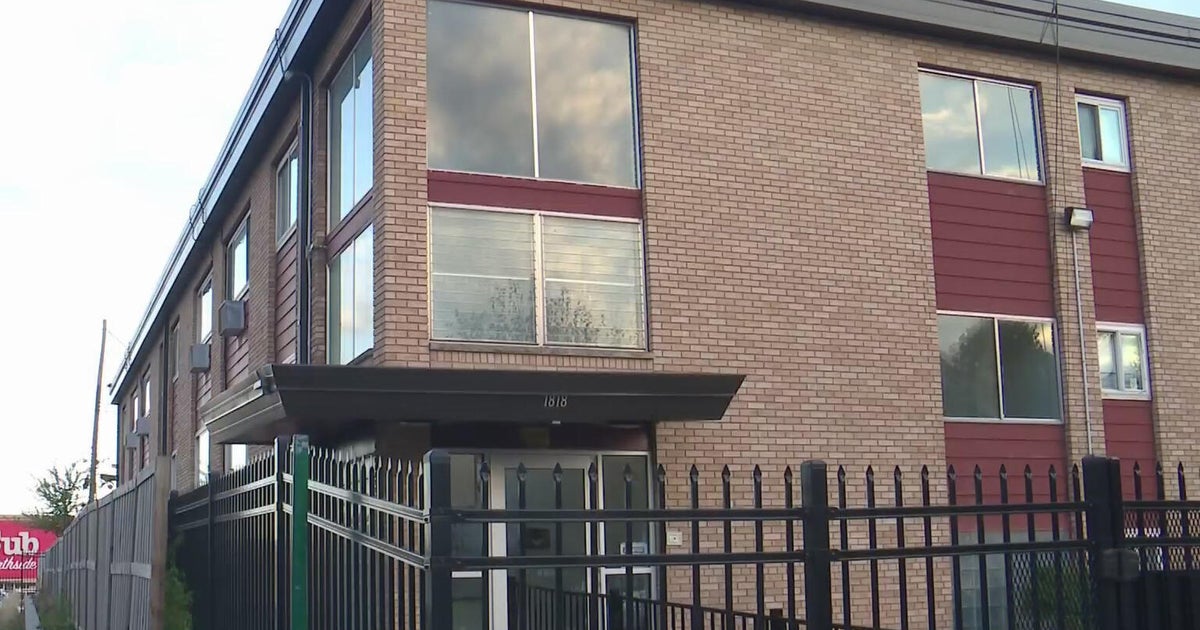
Former NH Lawmaker Charged in Minneapolis Shooting; Warrant Issued, Not in Custody
"I heard somebody, I thought somebody was beating the door up," a witness told FOX 9. "Come to...
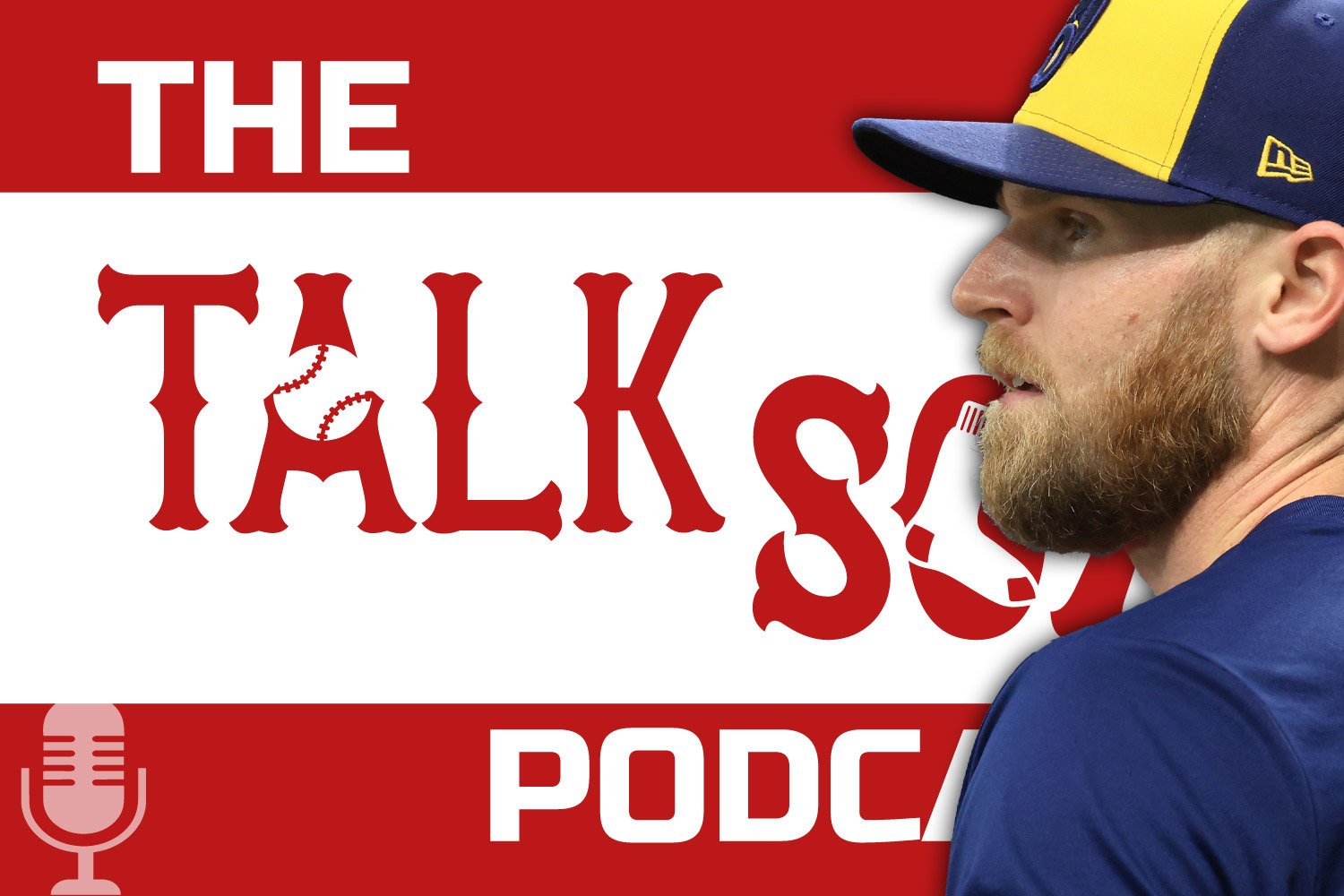
Athletic: Red Sox Agree to 4-Year, $58M Deal With Bauers
Four years and $58 million for a first baseman who was cut from a 40-man roster two winters...

HK Law: Michigan Voters Approved Sweeping Pay-to-Play Law for Contractors, Utility Ban
Michigan contractors and utilities face sweeping new limits on political giving after voters approved Proposal 2 on November...