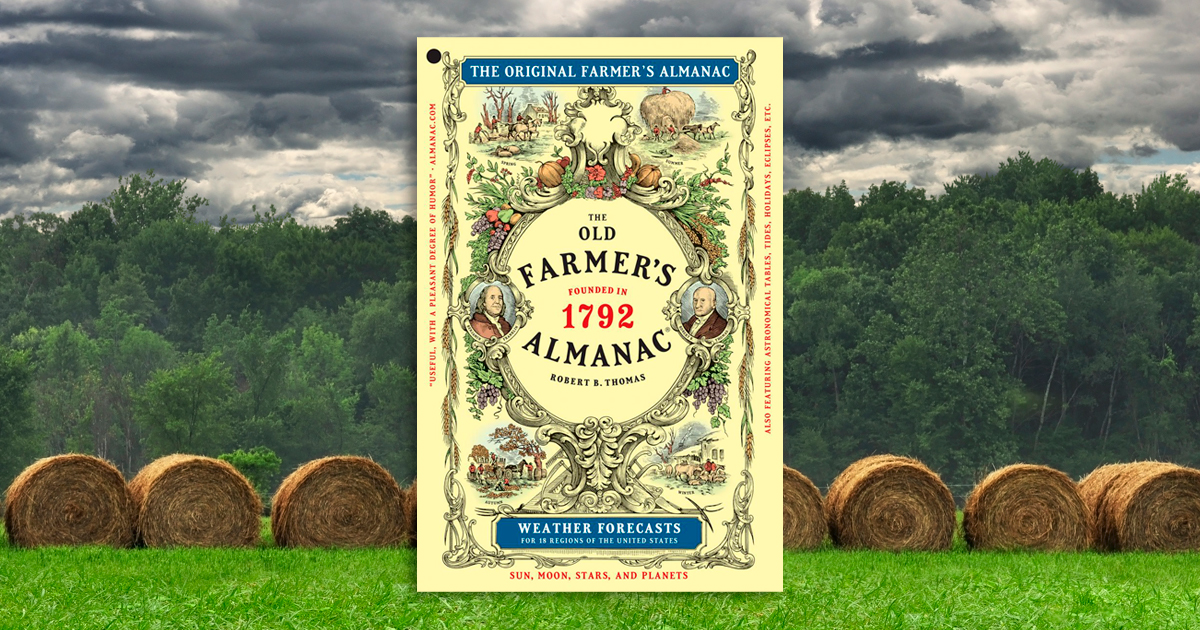
For gardeners in Kansas City, Missouri, success hinges on timing planting cycles around the region’s specific frost dates rather than relying solely on USDA hardiness zones. The Old Farmer’s Almanac provides a localized calendar for the area, dictating when to start seeds indoors, transplant, or direct sow to ensure crops reach maturity before the final frost.
Decoding Local Frost Cycles
Gardening in the Kansas City climate requires moving beyond the broad strokes of general planting advice. While USDA zones are useful for selecting perennials that survive winter, they do not account for the specific spring and fall frost windows that govern annual vegetable production. According to The Old Farmer’s Almanac, the most effective approach uses your specific ZIP code to generate a planting schedule.
This system prioritizes the transition from seed to harvest, ensuring that plants are not caught by sudden cold snaps or the intense heat of a Missouri summer.
The Almanac categorizes planting into four distinct methods: starting seeds indoors, transplanting to the garden, direct sowing into the ground, and tracking the final recommended planting date.
For many varieties, the “Last Planting Date” is the most critical metric. Planting after this threshold often results in crops that fail to reach maturity before the first frost of autumn renders them non-viable.
The Mechanics of the Planting Calendar
The utility of this system lies in its flexibility. The dates provided are typical starting windows based on historical frost data, rather than rigid deadlines. Gardeners can choose to start at the beginning of these windows or wait, provided they stay within the final cutoff date.
Certain crops require a strategic pause. Cool-season plants, such as lettuce and various tender greens, often struggle through the peak of Kansas City’s summer heat. The Almanac suggests these crops may need to take a break during the hottest months, resuming their growth cycle only when conditions cool in the autumn.
| Planting Method | Purpose | Application |
|---|---|---|
| Start Seeds Indoors | Extends the growing season | Best for plants needing long growth periods |
| Transplant Outdoors | Moves seedlings to garden | Used when soil and weather have warmed |
| Direct Sow | Seeds planted in ground | Preferred for plants sensitive to moving |
| Last Planting Date | Final maturity deadline | Prevents frost damage to immature crops |
Traditional Methods vs. Modern Scheduling
For those who prefer a more traditional approach, the Almanac offers an optional toggle to align planting dates with the phases of the Moon. While this does not alter the frost-based windows, it remains a popular methodology for gardeners who follow historic cultivation practices. It is important to distinguish this from flower gardening, where timing relies on growth speed and hardiness rather than the frost-based logic applied to vegetables.
The reliance on ZIP code-specific data addresses the variability of Kansas City weather, which can shift significantly from year to year. By using these localized windows, gardeners minimize the risk of wasted effort and maximize the window for productive growth. As the season progresses, monitoring these dates remains the most reliable way to align garden labor with the natural cycles of the Missouri climate.
Related reading

Louisville Urban League Joins the Fight to Defend Scholarship for Black Medical Students
Black medical students in Kentucky may soon lose access to a decades-old scholarship if a legal battle over...

Albuquerque City Council Passes Ban on Inhumane Glue Traps Co-sponsored
The Albuquerque City Council unanimously passed a landmark ordinance on Tuesday to ban the sale and use of...

City of Keene Seeks Human Resources Specialist for Full-Time Role
The City of Keene is searching for a new Human Resources Specialist to manage the administrative and technical...

National Atomic Testing Museum Attendance Rises 60% After Fallout Exhibit
Attendance at the National Atomic Testing Museum has climbed by roughly 60% since the launch of its "World...