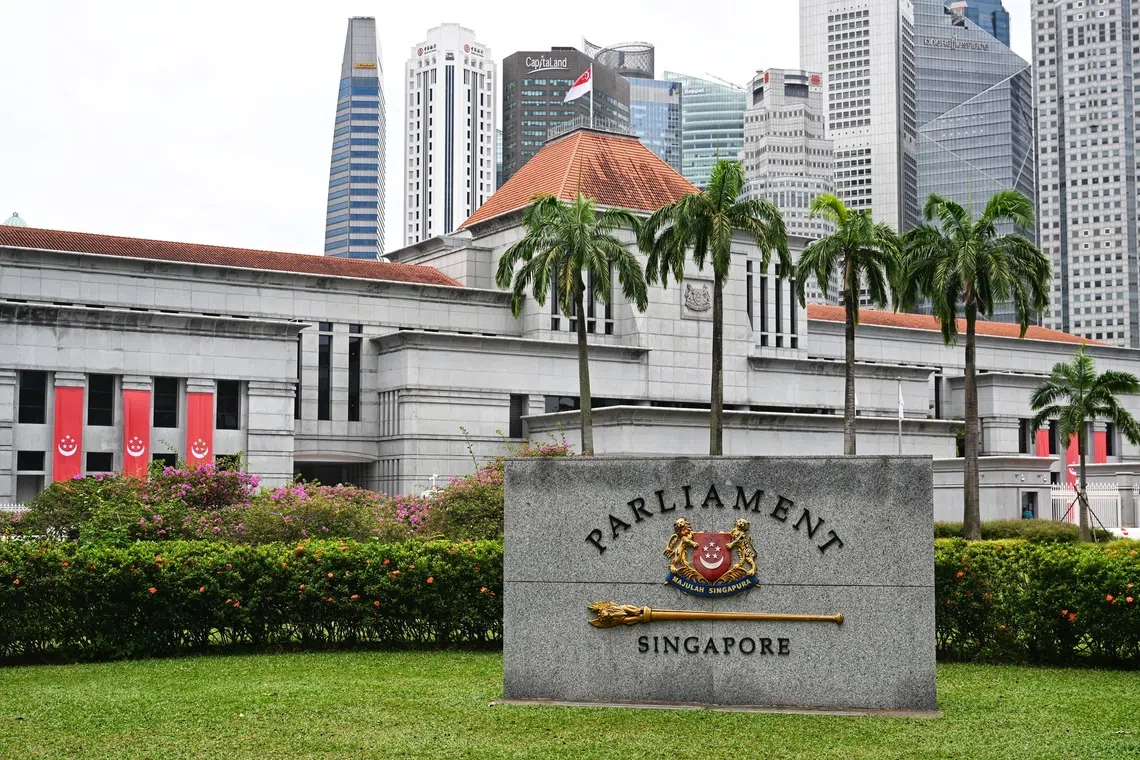
Singapore Prime Minister Lawrence Wong announced that the government will gradually raise ministerial and political salaries following an independent review. The adjustments address a pay gap that has widened since 2012, while Prime Minister Wong confirmed he will donate his entire salary increase to good causes.
Singapore Prime Minister Lawrence Wong addressed Parliament to outline a measured approach to revising the nation’s political compensation framework. The decision follows recommendations submitted in April by a review committee appointed in December 2025 and chaired by Council of Presidential Advisers member Gan Seow Kee. Coordinating Minister for Public Services Chan Chun Sing stated in May that more clarity was needed on the impact of conflict in the Middle East on the economic outlook before considering the recommendations.
While private sector remuneration and senior public service pay have continued to climb over the past decade, entry-level ministerial salaries have remained at $1.1 million since 2011. Since they were last revised in 2012, ministerial salaries have fallen further behind
not just those of private sector counterparts but even some senior public servants’ salaries, PM Wong noted. Following an independent review of Singapore’s political salary framework, PM Wong, who is also Minister for Finance, said he has decided that we must act now
on raising salaries. We cannot affirm a framework in principle but disregard it indefinitely in practice. Otherwise, over time, the framework loses its meaning,
he said. Political salaries have seen periodic reviews since the present pay structure was introduced in 2012 – but have been left unchanged, despite a call in 2017 for an upward revision. According to the Prime Minister, leaving political pay untouched indefinitely, although a politically easier move, would not be the right thing to do and would ultimately undermine the integrity of the framework.
Revising the MR4 Benchmark and Phasing the Adjustments
The independent review committee proposed updating the benchmark salary for an entry-level MR4 minister from $1.1 million to $1.8 million a year. The Prime Minister’s salary is set at twice the MR4 benchmark. Rather than implementing the full adjustment immediately or ignoring the formula entirely, the government chose a gradual approach. One way would have been to move all serving office-holders to the new benchmark immediately, but that would not be right as they were at different salary points and grades, said PM Wong. But neither was it reasonable to leave their salaries unchanged indefinitely, he added, noting that the Government had held back from adjusting salaries in 2017 and had deferred the review in 2023.
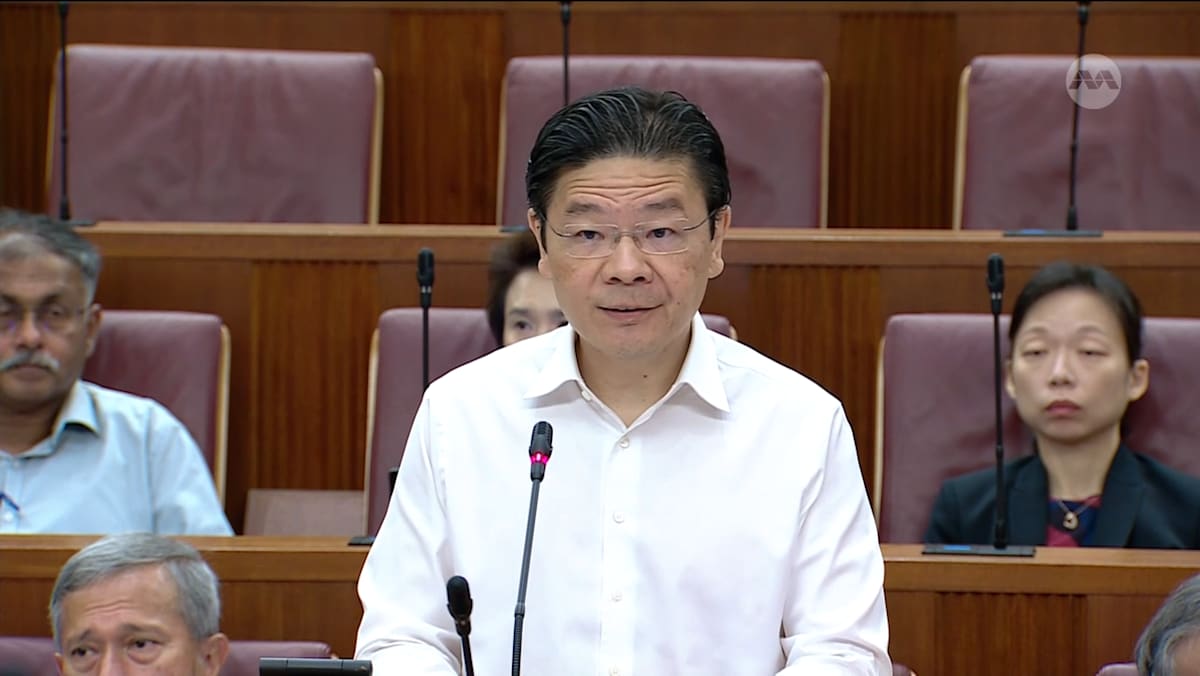
The Government’s approach to raise ministerial salaries by up to 9 per cent in October thus strikes the balance between keeping the salary framework relevant for the future without over-correcting for the present, he said. PM Wong noted that the 12 MPs and NMPs who spoke during the 4½-hour debate essentially affirmed the need for political service to be competitively remunerated, and that the differences were over how the framework should be calibrated and implemented.
Prime Minister Wong acknowledged public sensitivities surrounding political compensation during economic uncertainty. PM Wong noted that MPs had said it was not a good time to adjust political salaries, reflecting sentiments from workers and their constituents. I understand the concerns. But there is never going to be a politically convenient time to adjust political salaries,
he said.
Recruiting Talent Against Private Sector Opportunity Costs
Defending the policy, Prime Minister Lawrence Wong emphasized that political leadership cannot rely solely on the public service. When ministerial salaries were first raised in 1970, then-Prime Minister Lee Kuan Yew told parliament one reason was to enable him to appoint Hon Sui Sen, then head of the Development Bank of Singapore, as finance minister. Bringing in people with substantial private-sector experience has since grown harder, Mr Wong said. “That matters because we cannot build our political leadership from the public service alone. I want people in Cabinet who have spent substantial parts of their careers in business or other professional fields, especially in running large organisations and overseeing complex systems,” he added.

Potential candidates from major listed Singapore companies in banking, telecommunications, aviation, engineering and other sectors, as well as people on track for similar roles, often command multimillion-dollar packages running to several million dollars a year – still well above the revised political salaries, he said. We are not trying to match what they earn. We never will. But when we approach people of that calibre, we cannot pretend that the opportunity cost does not exist,
said Mr Wong. Before the last General Election, he also spoke to several CEOs and senior business leaders earning several times a minister’s salary whom he thought could make a real contribution. None cited pay directly as their reason for declining, he said, but that does not mean remuneration is irrelevant. Like the permanent secretaries, none were prepared to make the move. From their point of view, these individuals had spent years building successful careers, he said. We are asking them to walk away from that. To take a substantial reduction in income, to contest an election with no certainty of success and to start again in a completely new environment.
The sacrifice extends beyond finances, Mr Wong added, noting that political life places real demands on families. No salary adjustment can compensate for that, nor is it meant to. The adjustments aim to reduce the steep financial barrier for accomplished professionals considering public service.
Personal Donation of the Pay Increase
In a personal commitment, Prime Minister Wong announced that he will donate the full increase in his salary under the revised framework to suitable good causes
for the next five years, assuming he remains in office. Speaking in Parliament on Tuesday (Sept 8), PM Wong said that under the revised framework, the benchmark for an MR4 minister will rise from $1.1 million to $1.8 million a year, and the Prime Minister’s salary is set at twice the MR4 benchmark.
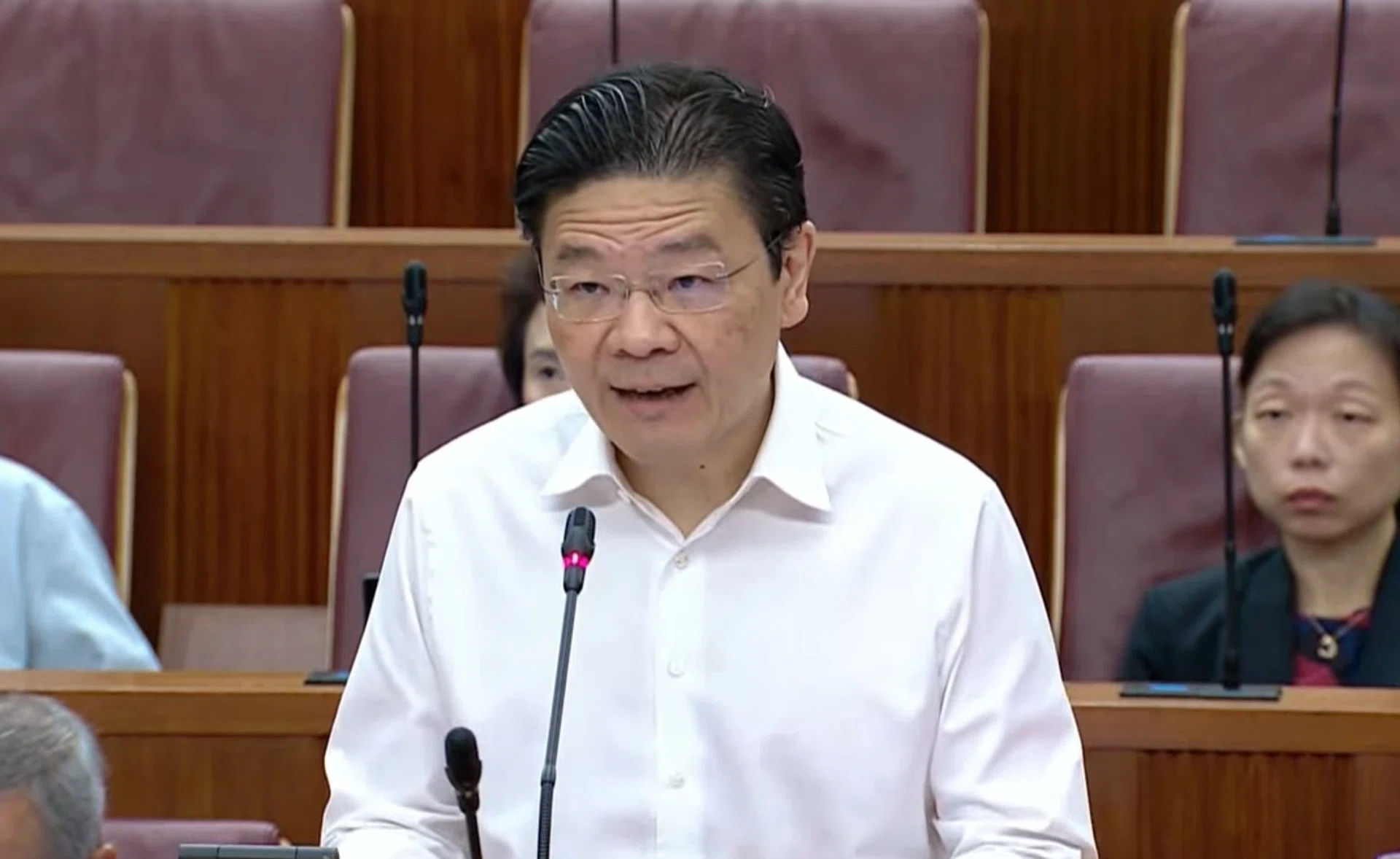
This is my own decision. I do not expect other officeholders to do the same,
he said. “As a general rule, I do not believe in making a public show of charitable giving. So I want to be clear about how I will personally handle the increase and why I am taking these changes forward because I believe they are in Singapore’s interests.”
PM Wong added that at the end of the five-year period, he would review the position afresh, taking into account the circumstances at that time. I fully expect to continue supporting good causes, as I have always done. But I do not want to make an open-ended public commitment, or to create an expectation that future Prime Ministers may feel obliged to follow,
he said. This comes as the Government implements revisions to the political salary framework, which it says are necessary to ensure Singapore can continue attracting capable political leaders and building a strong political team.
Related reading
Audi boss Gernot Döllner under fire in Germany for Trump rally appearance
Audi chief executive Gernot Döllner faced sharp backlash in Germany on October 26, 2026, after appearing alongside U.S.
ABS-CBN Wins 7th ACGS Golden Arrow Award
ABS-CBN Corporation secured its seventh ASEAN Corporate Governance Award on October 26, 2026, receiving a Golden Arrow Award...
Ghana Gold Board Rejects Allegations of Endorsing Illegal Mining
The Ghana Gold Board has rejected allegations that its chief executive endorsed illegal mining during an engagement with...
Volkswagen AG plans to build its first U.S
Volkswagen AG plans to build its first U.S. manufacturing facility for the Audi brand in Macon, Georgia.