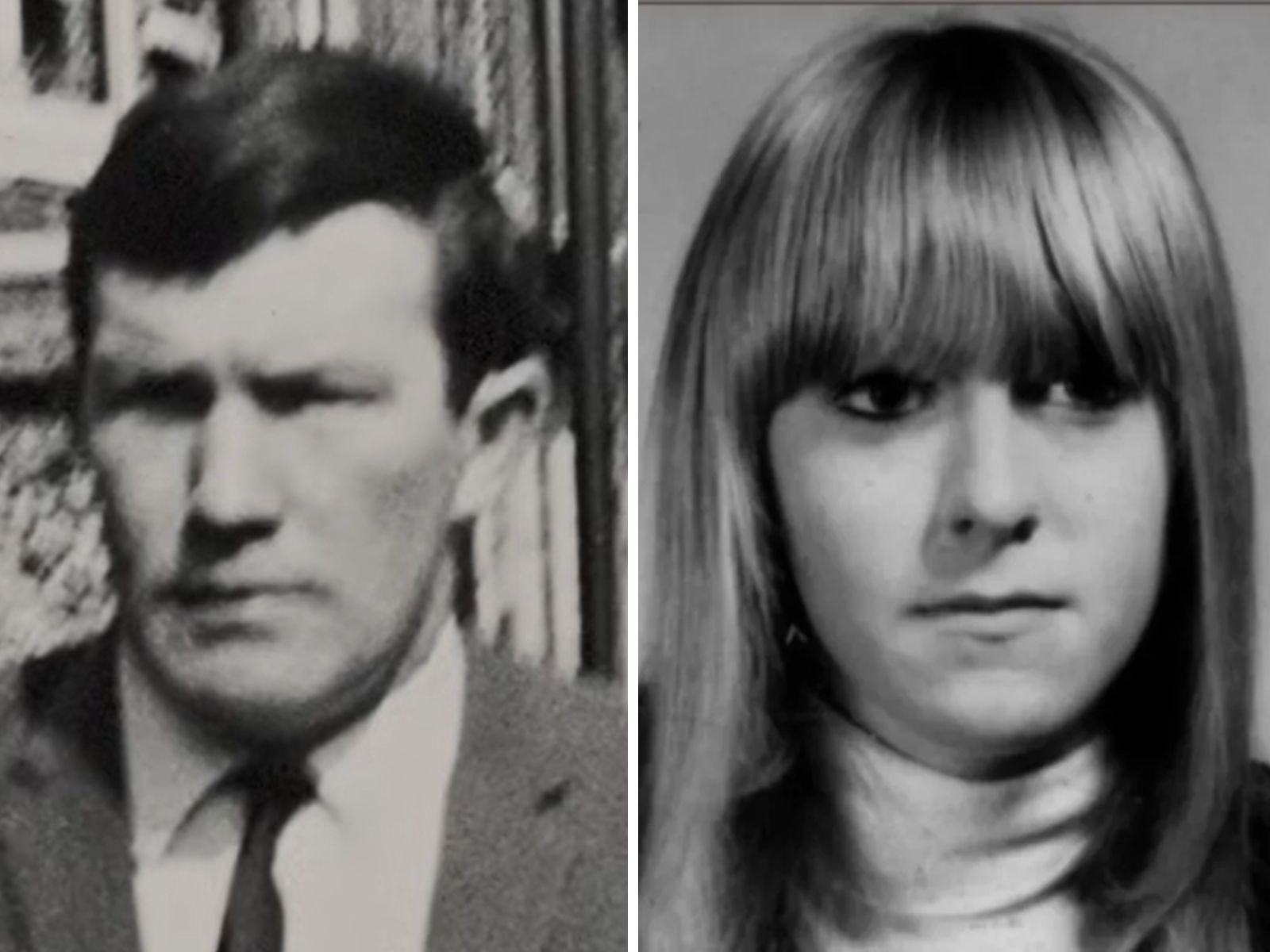
“Through specialised forensic testing … investigators were able to identify distant genetic relatives associated with the unknown suspect’s DNA profile,” said Det Mike Budzyn of London Police’s major crime section.
Police in London, Ontario, have named Irish-born Michael Joseph Moore as the killer of 16-year-old Jacqueline ‘Jackie’ Dunleavy, whose murder in 1968 remained unsolved for decades. The case was closed through modern forensic DNA technology and genetic genealogy, Newstalk reported.
Dunleavy was strangled to death on January 9, 1968, after finishing her shift at a shop on Stanley Street and was found unresponsive on the grounds of a nearby school. Moore, who was 25 at the time, had emigrated from Dublin to London, Ontario, in January 1967. He moved into an apartment on Springbank Drive in May of that year.
He joined the London Fire Department and served for 28 years, retiring as a captain before his death in 2018.
“There was a time during Project Angel [a cold case joint task force], 1997-2000, where his name came up in a review of old London Police criminal investigations but even at that point, he was not a person of interest or a suspect,” he said.
According to the London Police Service, Moore was described as “He was white, about six feet tall, with dark hair.”
Genetic genealogy combines DNA analysis with traditional genealogy research to find distant relatives. Once a potential relative is identified through public DNA databases, genealogists create family trees, and traditional police detective work is used to narrow down suspects, according to forensic expert Ray Kane, who spoke on The Claire Byrne Show.
Moore’s DNA was not in the database, but a relative’s was, leading investigators to him. “Genealogical research was then used to construct family trees and narrow the investigation toward a potential suspect,” Det. Budzyn told The Irish Times. “Based on the evidence obtained through this investigation, we are confident that the evidentiary threshold to support criminal charges was met. Had Moore been alive today, he would have been arrested and charged in relation to Jackie’s murder.”
The police decision to name Moore publicly was “not made lightly” and was made in the “public interest” and for transparency, the London Police Service stated. The identification of Moore means other cold cases could also be solved using the same techniques, experts say. The force is reviewing historic cases to prioritize those with the best opportunity for resolution.
The news has shocked those who knew Moore. Current London Fire Chief Lori Hamer said, “While we cannot speak to the actions of the former employee, today’s news has been deeply troubling for many within the London Fire Department.”
The London Police Service said, “We recognise that this information may be significant to individuals who knew Moore personally, worked alongside him, or had contact with him during his years of service.” His family, friends, and community had mourned the loss of a “good man” when he died.
A witness from the original investigation spoke of an incident in December 1967, less than a month before Dunleavy’s death. Police are encouraging anyone with information related to Moore or the case to contact them at 519-661-5670.
Chief Thai Truong of the London Police Service acknowledged the work of his team and partner agencies. “I want to acknowledge the tremendous work of our Major Crime Section and the investigators, forensic specialists, and partner agencies, the Ontario Provincial Police and Toronto Police Service, who contributed to this outcome,” he said.
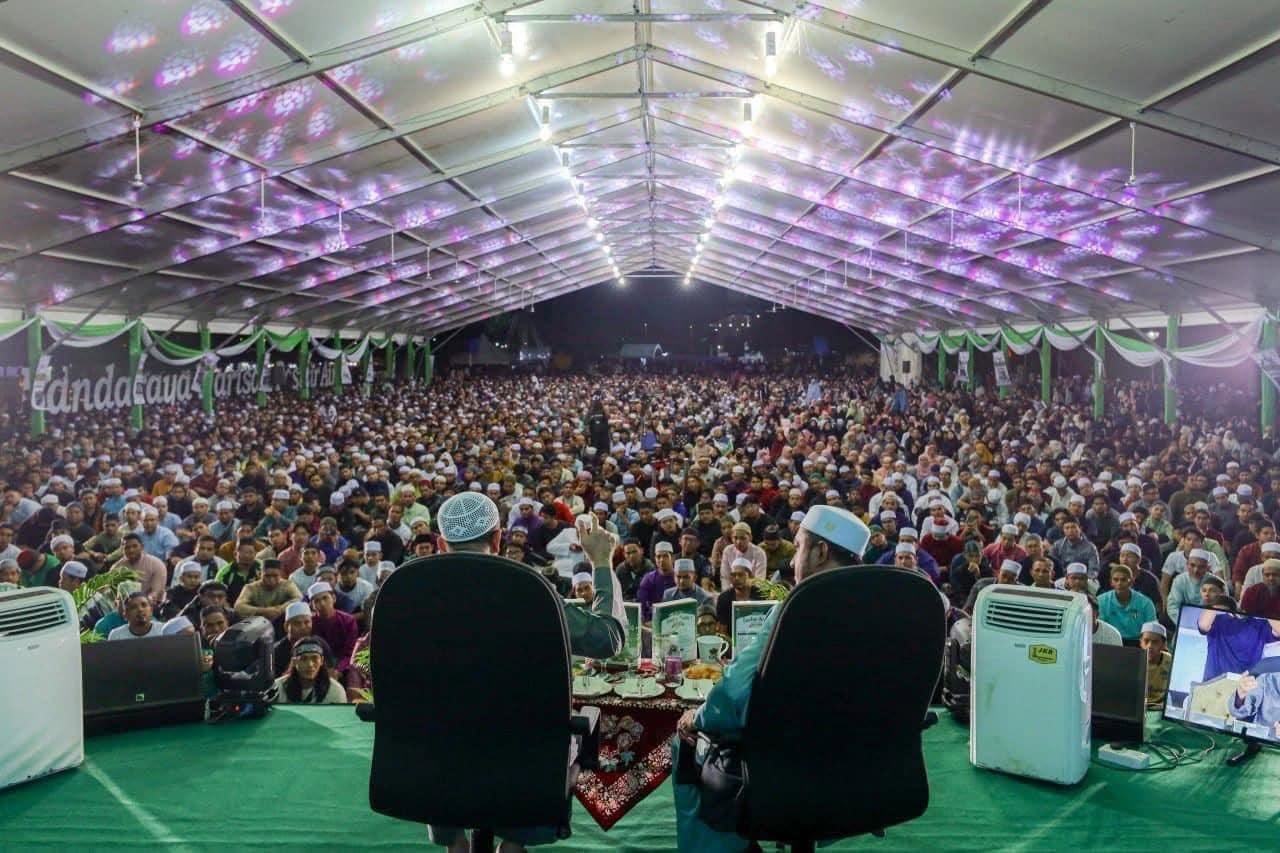
Perpaduan Ummah The Evolving Unity of PAS and UMNO in Malaysian Politics
PAS more than doubled its parliamentary seats to 43 at the 2022 general election while UMNO fell to...

Ireland Risks Exclusion From EU Deportation Regime Over Schengen Legal Hurdle
Ireland risks exclusion from a new European Union deportation regime unless it adopts broader legislation aligned with the...
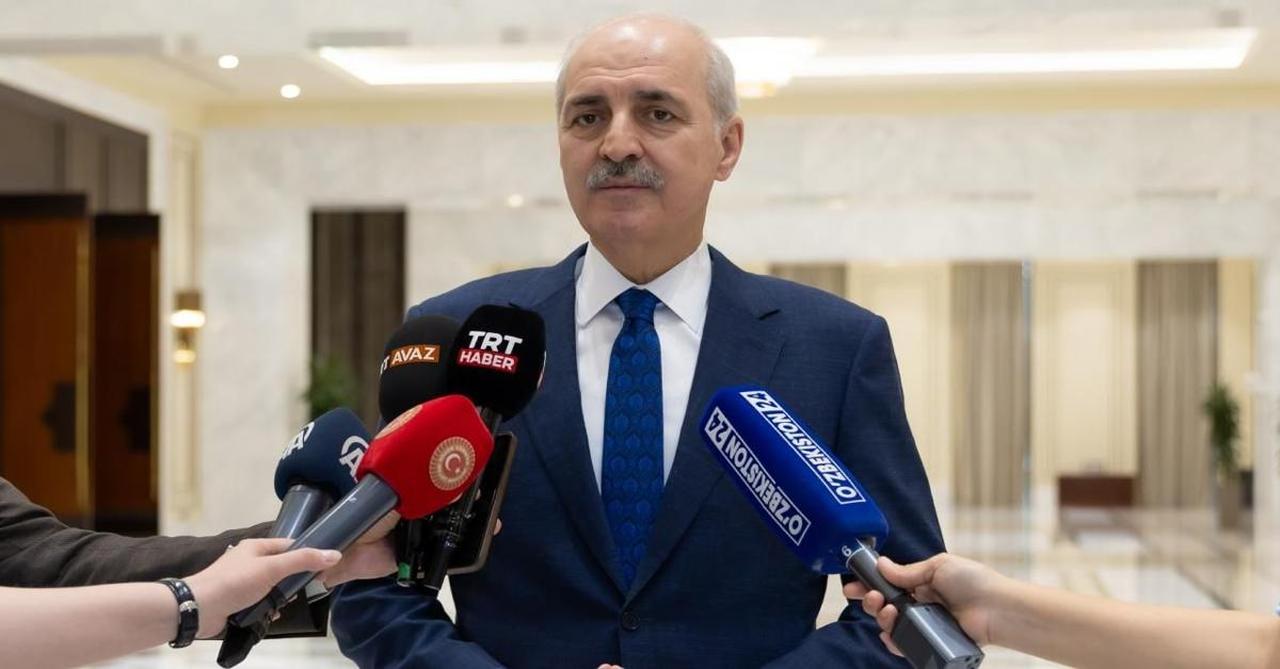
Turkish Parliament Speaker Criticizes UN Failure to Stop Israel, Calls for New Global Order
Turkish Parliament Speaker Numan Kurtulmuş on Friday criticized the United Nations for failing to resolve international conflicts and...

Friedrich Merz Hits 11% Approval After 18 Months as Chancellor
Friedrich Merz reached an approval rating of just 11 per cent after 18 months in office, The Irish...