
Portland will dedicate a downtown mural on Dec. 2 honoring ten women who secured voting rights in Oregon eight years before the 19th Amendment, the latest installation in a national series that has already appeared in Chicago and New York City.
The ceremony is scheduled for 1:30 p.m. at the SmartPark Garage at 730 S.W. 10th Ave. Artist Addie Boswell led an all-women team to create the piece for Monumenta’s National Suffrage Mural Series, which commissions distinct, locally researched works rather than reproducing a single design across cities.
Oregon women won the vote in 1912 after organizing through independent groups, a victory the mural highlights alongside three Portland women who continued expanding democracy after 1920.
“The fight for women’s right to vote was a national movement, but it wasn’t one story,” said Michelle Duster, series co-director and great-granddaughter of journalist and suffragist Ida B. Wells. “It unfolded differently in different communities and involved generations of women whose names many people have never learned.”

Neysa Page-Lieberman, Monumenta’s artistic director, said public space signals whose stories a society chooses to remember. “These murals honor women who helped expand American democracy while giving artists and communities in each city an opportunity to interpret what that history means today,” she said. Local partners include the Portland Street Art Alliance and the Women’s Foundation of Oregon.
Addie Boswell, who led the all-women team on the Portland mural, is a multidisciplinary artist and author based in the city. Her public work includes the 2020 perforated-steel installation “Common Threads” at the Beaverton Arts Center, created with artists Van Cooley, Sara Siestreem (Hanis Coos) and Antwoine Thomas, and the 2020 Tyvek mural “Vibrant Cities Don’t Burn” for the Portland Fire Department with Thomas.
She has also illustrated and written a series of board books for Little Bigfoot, including “Go, Bikes, Go!” (2019) and “Go, Planes, Go!” (2021), and received an Oregon Literary Fellowship for young readers from Literary Arts in 2003 and for young adult literature in 2015.
The unveiling follows a midterm election in which American women voted in record numbers and arrives as restrictions on teaching women’s and civil rights history spread across the country. Project research cites a striking imbalance: less than 5% of public art depicts women or women-centered historical events.
Worth a look
New York Proposes Constitutional Privacy Amendment Amid Federal Medical Records Demand
A proposed amendment to the New York Constitution would make the state the twelfth to enshrine an explicit...

St. Johns River Near Cocoa Hits Record 17.7 Feet, Floods Homes and Roads
The St. Johns River near Cocoa, Florida, reached 17.7 feet early Thursday, breaking the previous record of 17.55...
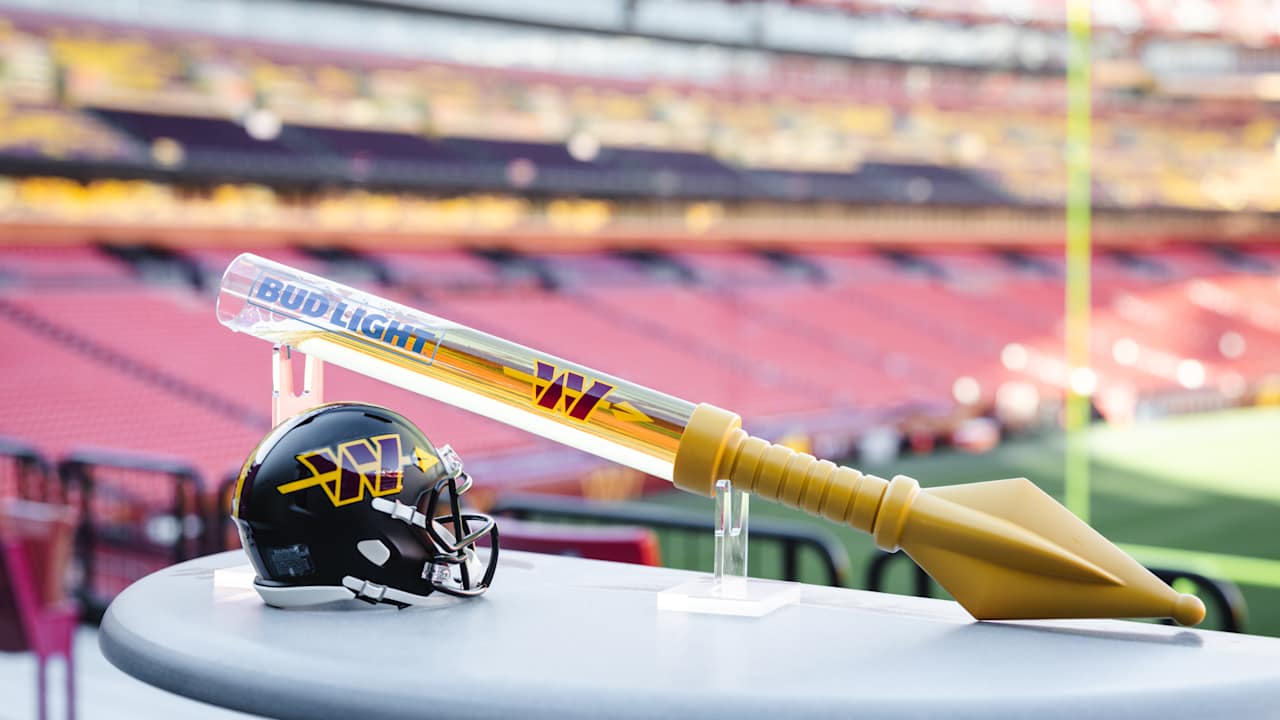
Commanders, Bud Light to Sell Collectible ‘Beer Spear’ at Northwest Stadium Starting Nov. 23
The Washington Commanders and Bud Light will roll out a 16‑ounce collectible vessel called the Beer Spear at...
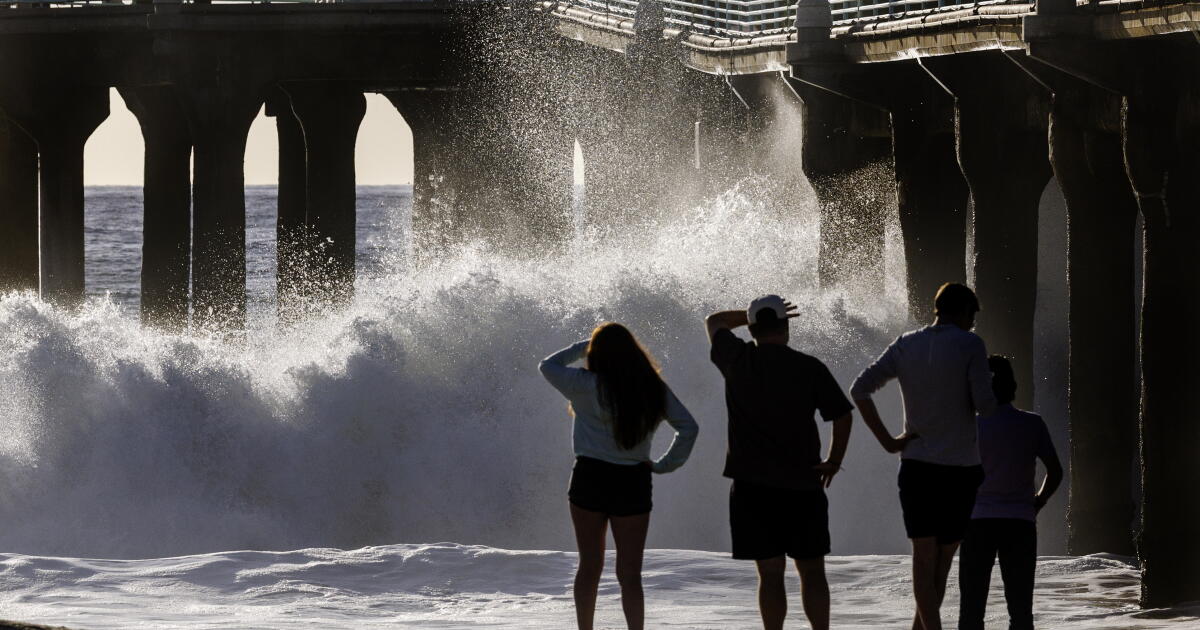
This Is, for Me, the Key to What Happens During These El Niño Years
"This is, for me, the key to what happens during these El Niño years when you have a...