
Phonographic Performance (Ireland) Ltd (PPI) has denied allegations that it breached the rights of Irish performers through the management of a music royalties system. The dispute, currently before Judge Nessa Cahill in the High Court, involves a legal action brought by Recorded Artists Actors Performers Ltd (RAAP), an organisation that collects statutory royalties for over 5,000 performers.
RAAP alleges an “egregious breach” of rights occurred in 2016 when PPI appointed the UK-based Phonographic Performance Ltd (PPL) to manage royalty rights, effectively attempting to remove RAAP from the process. RAAP claims that in 2024, only about €2.9 million was returned to performers out of approximately €13.8 million collected in licensing fees from broadcasters and Irish businesses.
Disputes Over Artist Identification
The two organisations disagree on which database system is more reliable for identifying artists entitled to payment. RAAP argues that PPL’s database failed to match certain Irish musical tracks with the bands that released them, resulting in withheld remuneration for high-profile acts such as the Saw Doctors, the Boomtown Rats, and the Chieftains.
However, Paul Gallagher, representing PPI, stated it was “plainly wrong” to claim those artists were not recognised by the PPL system. He argued that PPI switched to PPL because they believed more sophisticated services would better serve performers, citing concerns that RAAP’s own distribution system failed to identify qualifying artists.
Claims of Database Errors
During the proceedings on Wednesday, Gallagher asserted that RAAP’s database for identifying artists was marred by “extraordinary and obvious errors.” As evidence of these flaws, he highlighted an instance where the system listed Agnetha Fältskog, a member of the Swedish group Abba, as a background vocalist on a version of “The Boys from Killybegs” performed by Daniel O’Donnell.
While RAAP initiated the case in 2016 against the State and PPI, the full hearing was delayed by discovery issues, appeals, and legal referrals to the Court of Justice of the European Union. PPI has since advanced a counterclaim, which includes an assertion that RAAP owes the company money.
Worth a look

James Gunn names Superman, Batman and Wonder Woman as DCU diamonds
James Gunn has confirmed that Superman, Batman, and Wonder Woman serve as the "diamond characters" of the new...
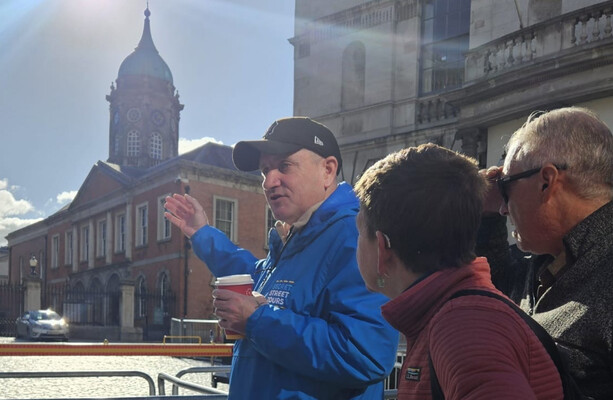
Tourists Explore Dublin’s Hidden Layers via Secret Street Tours
Kenny Eivers, a recovering addict and former homeless resident of Dublin, leads "Secret Street Tours" to reveal the...

Barbara Barrie, Oscar-Nominated Breaking Away Actress, Dies at 95
Barbara Barrie, the Oscar-nominated actress whose career spanned Broadway, the Cannes Film Festival, and American television, has died...

Denise Fox learns Amy Mitchell was groomed by police officer
Denise Fox has finally learned the truth about Amy Mitchell's disappearance, discovering that her stepdaughter has been groomed...