
With the November 3 election just days away, more than 20 candidates fighting for five Austin City Council seats have filed their final campaign finance reports, revealing who has the war chest to survive the final stretch and who is running on fumes. While a massive bank account doesn’t guarantee a win, these latest filings—submitted this past Monday—provide the final financial snapshot of the 2026 race, as reported by Austin Current.
The stakes are high for the city’s representation. While incumbents are defending their seats in Districts 3, 5, and 9, the city is guaranteed at least two new faces on the council, as newcomers battle for the open seats in Districts 1 and 8.
District 1 faces a crowded field and deep historical scars
In District 1, the race is particularly charged. The seat is open because Natasha Harper-Madison has hit her term limits, leaving six candidates to vie for the position. KUT notes that District 1 covers a swath of land east of I-35 that was intentionally shaped by the city’s 1928 master plan, which pushed Black residents into the east side and concentrated polluting industries there.
Today, that legacy manifests as a fight against gentrification. The district remains the home of more Black Austinites than any other council district, but it is not a majority Black area. According to KUT, the population is currently 40% Hispanic and Latino, 30% white, 20% Black, and 7% Asian. This demographic shift mirrors the economic pressure felt by longtime residents as rising property values and a soaring cost of living push them out of their own neighborhoods.
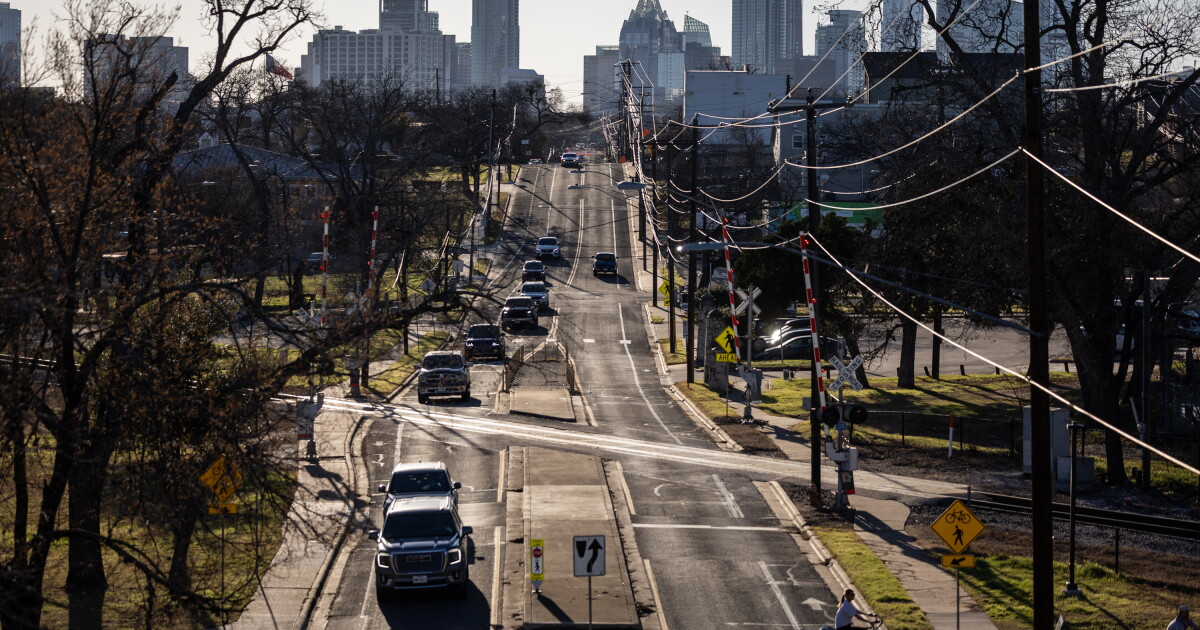
Among the candidates is Alexandria Anderson, a former professional track athlete for Nike who launched a personal training business in 2018. Anderson has spent nearly a decade in community leadership, serving as chair or vice-chair of the Martin Luther King Neighborhood Association. She isn’t focusing on the flashy promises of campaign rhetoric, but on the grit of urban maintenance.
“I know it’s not the most sexy,” Anderson told KUT regarding her focus on infrastructure. “But it is foundational. It’s our sidewalks, it’s our drainage, it is our sewage. It’s how, as we’re building, what’s gonna happen as we increase our impervious cover.”
The financial divide in the final stretch
The final reports filed before the November 3 deadline act as a proxy for momentum. For those in Districts 1 and 8, where newcomers seek to represent the districts, spending totals offer a picture of which campaigns might have momentum.
Voters trying to determine which race affects them can verify their boundaries via the official city district map.
Human stakes beyond the balance sheets
In East and northeast Austin (District 1) and East and southeast Austin (District 3), the conversation is dominated by displacement.
The candidates are also grappling with a broader urban crisis: the intersection of public safety, environmental concerns, and a transportation system that hasn’t kept pace with the city’s explosive growth. For a resident of District 1, a lack of drainage isn’t just an infrastructure failure; it’s a quality-of-life issue that affects their home’s value and their safety during Texas flash floods.
As the city prepares to head to the polls, the financial reports serve as the final piece of the puzzle. The only remaining question is whether the financial momentum reflected in Monday’s filings will translate into actual votes on November 3.
Keep reading

Nasdaq Futures Slide 2% as Amazon and Intel Earnings Fuel Tech Sell-Off
Nasdaq-100 Futures Slide 2% Following Earnings Misses From Amazon and Intel Futures tied to the Nasdaq-100 dropped 2%...

Wyoming Business Council board Launches search for interim CEO
Cheyenne is bracing for a consequential handoff. The Wyoming Business Council Board of Directors launched a formal search...

KWTX reporter Madison Herber steps away from news for motherhood
From Central Texas Newsroom to Full-Time Motherhood After four years covering deadly tornadoes, military deployments, and local accountability...

Judge Denies Bond Reduction for Dakota Harper in Arson Case
Dakota Harper will remain confined under a $20,000 cash-only bond after a Kanawha County judge rejected a defense...