Early votes show strong support for two competing plans to change Columbus City Council elections
Early voters in Franklin County are signaling significant interest in overhauling how Columbus selects its local leaders, with both competing charter amendments earning positive margins as polls close on November 3, 2026. According to unofficial results reported by the Centre Daily Times, Issue 8—a proposal brought forward by a grassroots coalition—is leading with 84% of the votes cast in its favor. Meanwhile, Issue 9, the measure introduced by the City Council itself, is also passing with 60% support among early voters.
If both measures pass, the City Council’s version, Issue 9, will take precedence. This would establish a council composed of nine district-based seats and four at-large seats. However, if either amendment succeeds, Columbus will implement district-only council elections for the first time in over a century. The city currently stands as the most populous municipality in the United States without district or ward-only representation on its city council.
The stakes for this vote extend beyond simple administrative changes; they touch on the fundamental way different neighborhoods exert influence over city policy. The current system is a hybrid model approved by voters in 2018 following previous failed reform attempts. While the council was expanded from seven to nine members in 2023 and members began residing in specific districts, the entire city still votes in every single one of those nine races.
The divide between grassroots reform and council compromise
The tension between the two proposals stems from a disagreement over how much “citywide” influence should exist alongside neighborhood-specific representation. Issue 8, championed by the “Our City, Our Say” coalition, seeks a “simple fix” by converting the nine existing residential districts into voting districts. In this model, only the residents living within a specific district would cast votes for that district’s representative.
The City Council’s counter-proposal, Issue 9, attempts to balance district representation with broader citywide interests. It establishes nine voting districts but adds four additional at-large seats to ensure some members focus on issues that transcend neighborhood boundaries, such as housing construction. Council President Pro Tempore Rob Dorans has expressed a preference for maintaining some at-large seats for this reason, even describing the current system as “stupid.”
The friction between these two paths has been marked by intense political maneuvering. While leaders from the “Our City, Our Say” coalition initially promised not to campaign against Issue 9, the final weeks of the election saw a shift in tone. A single donor reportedly funded a six-figure advertising campaign to support Issue 8 and oppose Issue 9, a move that council members characterized as an attempt by a millionaire to influence the outcome.
The debate also carries significant implications for racial representation. Because the current council map was not originally designed as a voting district map, there is currently no district with a majority-Black population. Some Black activists have voiced concerns that the “simple fix” proposed by the “Our City, Our Say” coalition could inadvertently threaten Black representation on the council.
Historical precedents and the impact on future races
The push for true district-based voting is fueled by recent election results that highlighted the flaws in the current hybrid model. In 2025, Jesse Vogel lost the District 7 race to Tiara Ross, despite securing approximately 63% of the vote from residents within that specific district. Vogel, who organized with the “Our City, Our Say” coalition—which includes Columbus Stand Up and the local Democratic Socialists of America—noted that while the race was fair because the rules were known, the outcome served as a catalyst for the current reform movement.
The effectiveness of these changes will be felt almost immediately. Because city voters are scheduled to cast ballots for several council seats in 2027, any shift in the election structure will directly impact those upcoming races.
| Feature | Issue 8 (Grassroots) | Issue 9 (City Council) |
|---|---|---|
| District Seats | 9 voting districts | 9 voting districts |
| Primary Goal | District-only representation | Hybrid district and citywide representation |
As the final unofficial results are tabulated, the city remains at a crossroads between a pure district-based system and a model that maintains a citywide perspective through at-large seats. The outcome will determine whether Columbus moves toward a localized neighborhood power structure or maintains a centralized council capable of addressing citywide urban challenges.
Keep reading

Oklahoma City Thunder Hold Fifth Place in Western Conference
Oklahoma City Thunder hold 5-2 record through early 2026-27 season The Oklahoma City Thunder have opened the 2026-27...
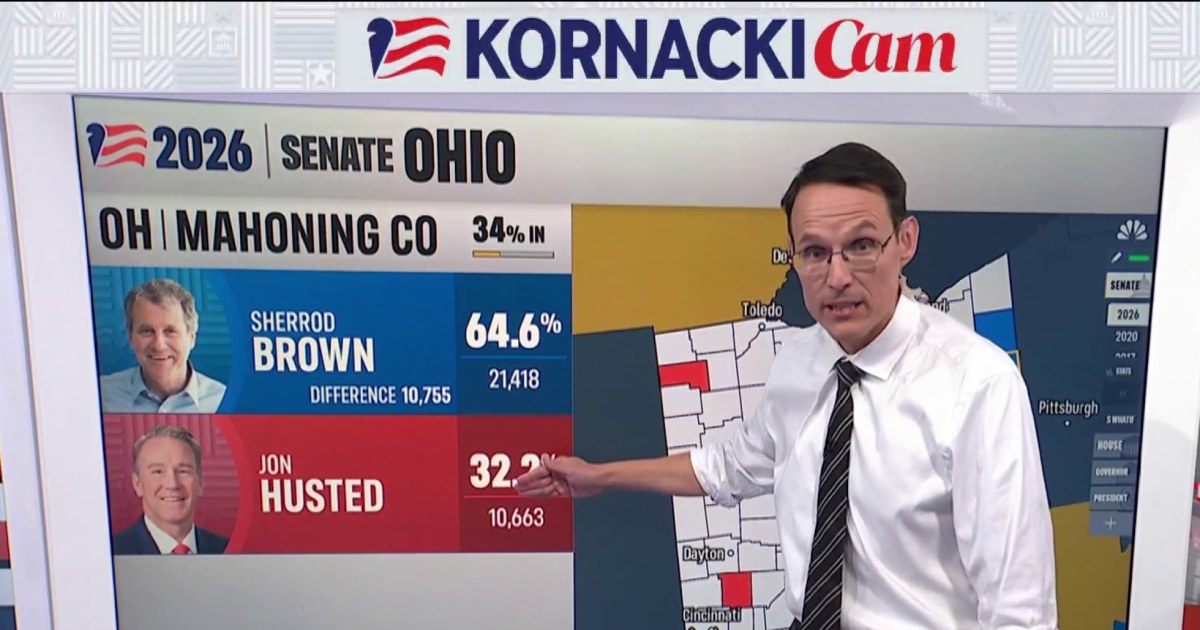
Democrats Project House Control and Key Senate Victories
Sherrod Brown holds early lead in Ohio Senate race Sherrod Brown is currently leading his Republican opponent, Jon...
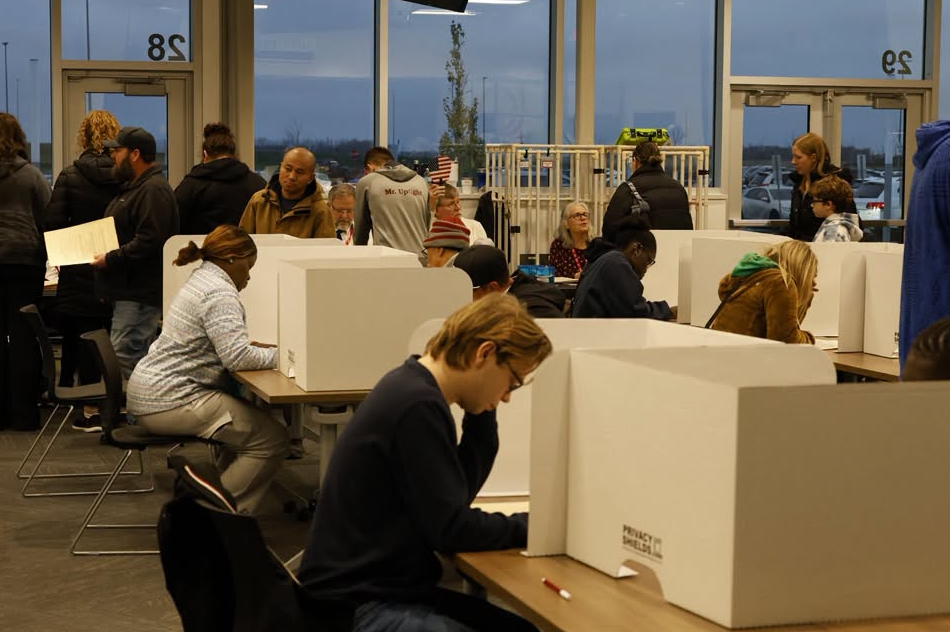
Election Day Results: Moorhead Mayor Race, North Dakota U.S. House, and Regional Turnout Updates
Lisa Borgen leads Moorhead mayoral race as North Dakota results begin to arrive Lisa Borgen holds a commanding...
Kathy Hochul secures second term in New York gubernatorial election
Democratic Governor Kathy Hochul secured a second full term on Tuesday night, defeating Republican nominee Bruce Blakeman in...