
Two years after Republicans won unified control of Congress and the White House, Arizona voters reversed course at the ballot box, handing Democrats historic strength amid unrelenting inflation, President Trump’s war with Iran, and a generalized feeling that those in power ignored their everyday needs.
While voters had opted for Donald Trump in 2024 with the distinct expectation that his administration would rein in the cost of living, soaring prices persisted and worsened.
The Cost of Living Driving the Shift
Samara Klar, a political science professor at the University of Arizona, expected closer races across the state. Instead, she watched Democratic momentum build on a very specific grievance.
I’ve been doing polling over the last few weeks, and every subgroup tells us it is the cost of living. That is the issue that people care about.
Klar said.
Voters who turned to the GOP ticket in 2024 now place the blame for stubborn inflation squarely on the administration. That federal economic pressure directly impacted races further down the ballot, accelerating long-term inroads Democrats had already been quietly making across the state.
Independent Voters Turn Away
Independent voters, a critical voting block in Arizona politics, moved decisively away from Trump and the Republican Party this cycle, according to Thom Reilly, a professor in public affairs at Arizona State University.

I’m not saying they are the only equation of this, but (Trump) is so underwater with them.
Reilly said, calling it a serious red flag for the broader Republican ticket.
Reilly noted that the 2026 political dynamics mirrored the paradox of the 2024 cycle. Trump now finds himself in the exact same economic position that former President Joe Biden occupied: macroeconomic indicators like the stock market look healthy, and homeowners are seeing gains, yet everyday consumers reject that narrative when paying for basic goods.
Everyone is saying, Well, no. It’s not,
Reilly explained regarding the disconnect between official economic reports and household budgets.
Despite the stark political swing, Reilly cautioned that the current Democratic gains do not reflect a permanent demographic realignment in the state.
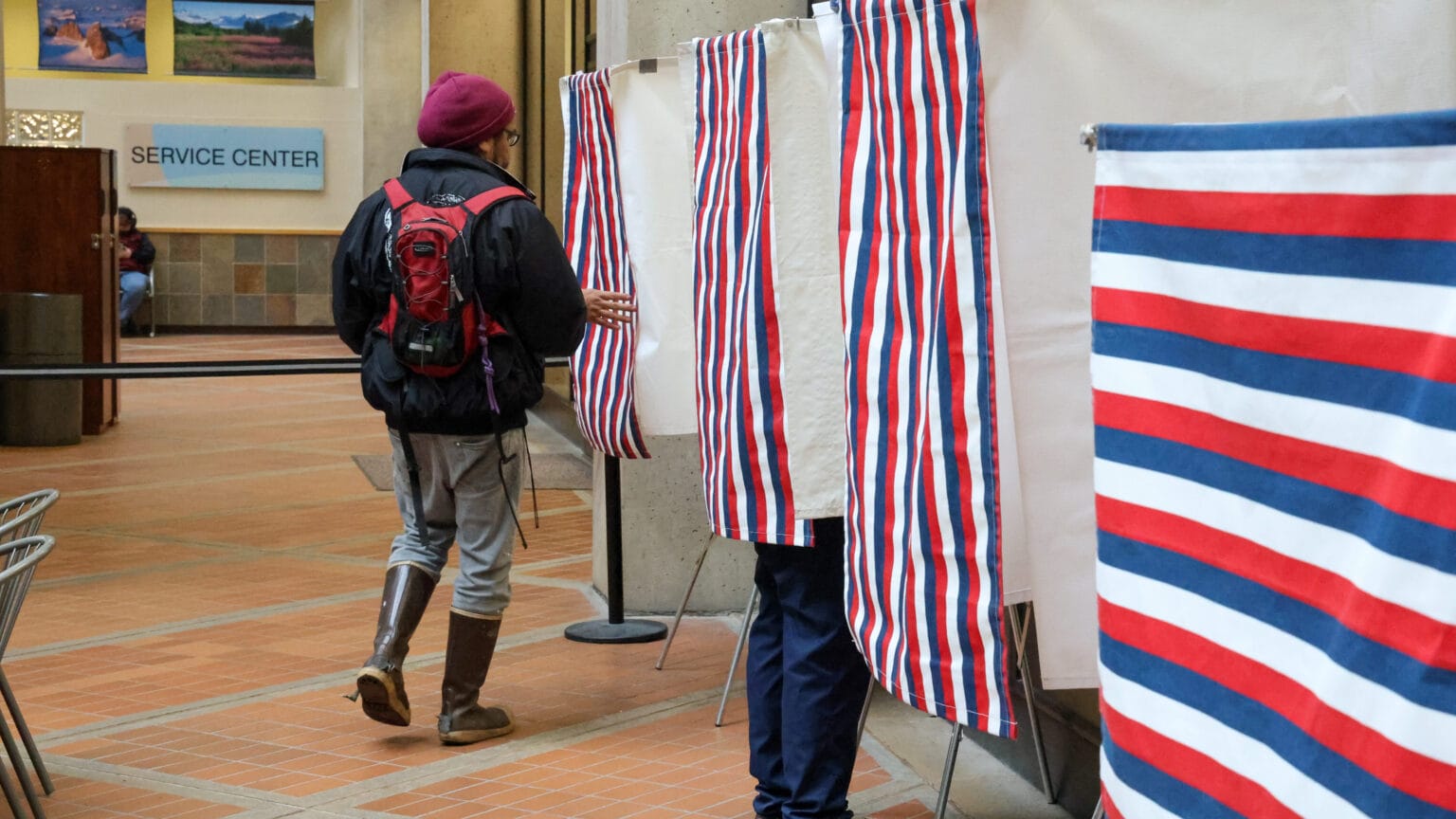
Juneau Votes Blue While Alaska Statewide Races Remain Split
Juneau Buckles Down as Election Returns Reflect National Tides As the initial tallies from the November 3, 2026,...

Alicia LeDuc Montgomery, an attorney with Stritmatter Law, recently shared a reflection on the
Alicia LeDuc Montgomery, an attorney with Stritmatter Law, recently shared a reflection on the personal experiences that shaped...
New Senate faces 2032 Social Security insolvency deadline
The 2032 Social Security Insolvency Deadline As the midterm election dust settles, the newly elected Senate faces a...

Jackson Hole locations and timing impact travel planning
The Strategic Geography of a Jackson Hole Escape Jackson Hole has evolved from a rugged mountain outpost into...