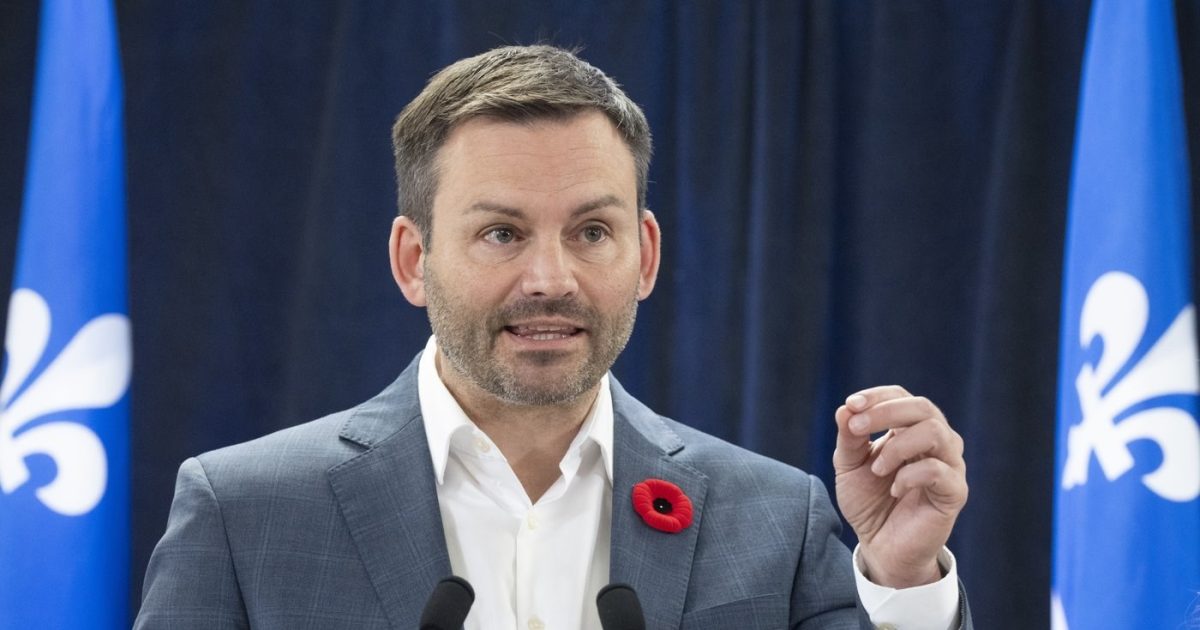
Quebec Premier Paul St-Pierre Plamondon Announces Diplomatic Offensive South of the Border
Quebec Premier Paul St-Pierre Plamondon says his government will launch a “diplomatic offensive” in the United States after the midterm elections, betting that Democrats regaining control of Congress changes the math on the trade war that has hammered Quebec’s aluminum, softwood lumber, and manufacturing sectors. The announcement, delivered at a press conference in Montreal on Friday, Oct. 23, and reiterated in Quebec City on Wednesday, comes as National Newswatch reported, with the premier arguing that Americans have “spoken” and the situation has changed.
The timing is deliberate. Democrats captured Senate seats in Texas, Kansas, and South Carolina that had long been Republican strongholds, while defending battleground seats in Georgia and Michigan, and the trade conflict with Canada emerged as a key voting issue in tight races in Maine and Michigan, where Democratic candidates prevailed over their Republican opponents. St-Pierre Plamondon contends that following a result seen by many as a repudiation of President Donald Trump’s policies, Canada and Quebec will find it easier to secure allies to help ease tensions — and Quebec, being among the provinces most impacted by the tariffs, plans to be included when those allies are gathered.
What the Premier Actually Said — and What He Didn’t
St-Pierre Plamondon was careful about the shape of the outreach. He said Quebec would not, at least for now, carry out trade negotiations directly with the Americans. “I think that before positioning ourselves on that, we’ll open up the channels of discussion,” he told reporters, according to CBC.ca. The offensive, in his framing, is about discussion first: “So what we’re going to do is prepare a diplomatic offensive of discussion with the Americans to see if there isn’t a solution.”
Horizon Weekly described the same initiative as a “renewed diplomatic push,” noting that the premier stopped short of suggesting Quebec would immediately pursue direct trade negotiations with the Trump administration, emphasizing instead that the province would first seek to establish discussions with relevant American counterparts. The distinction matters for Quebec’s forestry, aluminum, and manufacturing sectors, which have faced months of uncertainty and disruption in cross-border commerce since the tariffs landed.
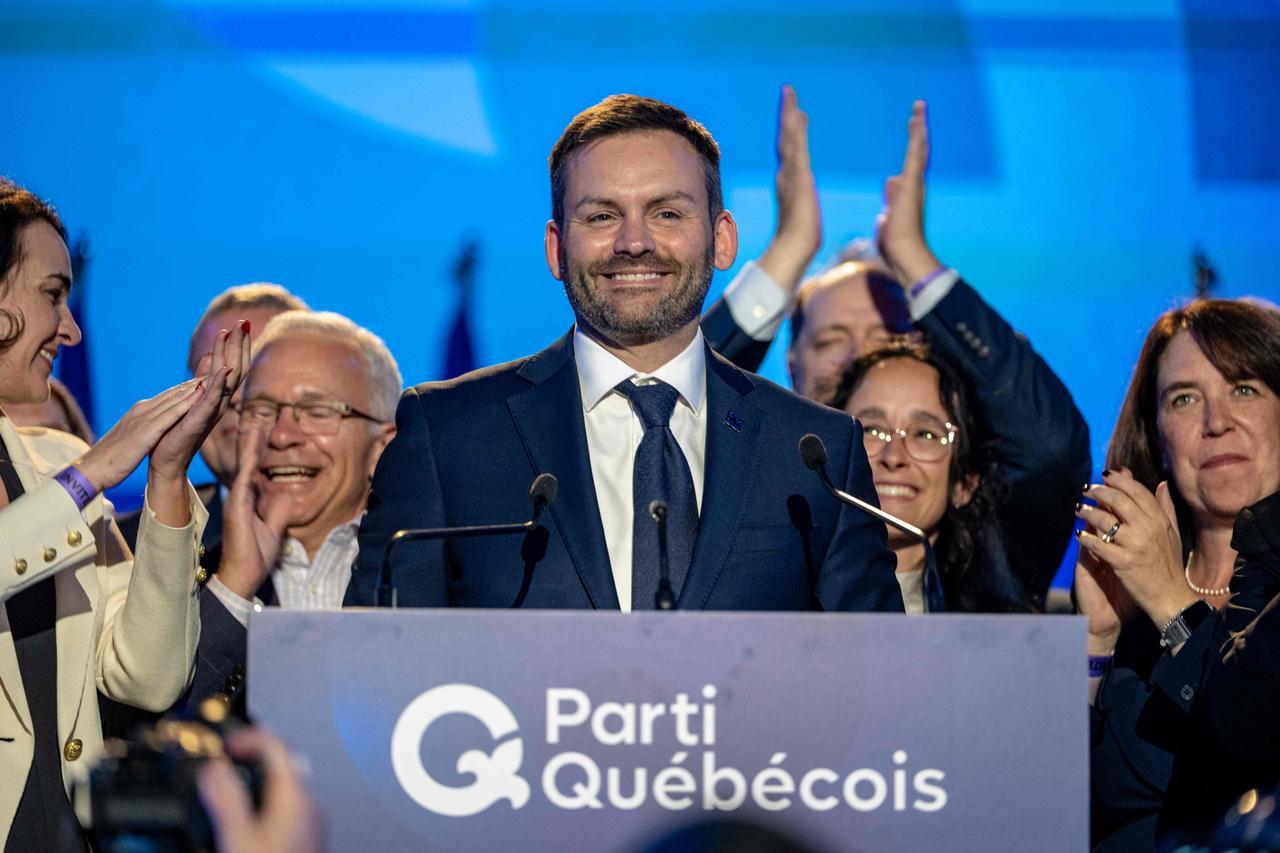
A Provincial Voice at a Federal Table
The diplomatic push also lands in the middle of visible friction between Quebec City and Ottawa. St-Pierre Plamondon did not attend the Canada-European Union Summit in Montreal last week after Ottawa refused to grant him official speaking rights, and he and Prime Minister Mark Carney have not formally met in person since the Oct. 5 provincial election, though they have spoken on the phone, CBC.ca reported. The premier has accepted an invitation to meet with Carney but insisted the meeting take place in Quebec City: “We’ll take the first date in Quebec,” he said, while acknowledging he might end up speaking with Carney at the upcoming Francophonie summit in Cambodia later this month, which both are attending.
That tension gives the U.S. outreach extra weight. Quebec is signaling that it intends to intensify diplomatic contact with American officials on its own terms, even as Ottawa continues its own negotiations with Washington over bilateral trade restrictions and broader economic cooperation.
Who Bears the Weight of the Tariffs
The stakes are concrete for Quebec workers and exporters. The U.S. tariffs target softwood lumber, aluminum, and various manufactured goods — industries that anchor communities across the province. Horizon Weekly noted that the prospect of reduced tariffs could provide important relief for Quebec’s manufacturing, forestry, and aluminum sectors following months of disruption. For voters in Maine and Michigan, where the trade war became a ballot-box issue, the election results suggest the political cost of the tariffs was real; for Quebec, the question now is whether a Democratic Congress translates into actual relief at the border.
The Open Question
What remains unresolved is whether opening channels of discussion produces a solution. St-Pierre Plamondon’s own words frame it as a possibility, not a promise: he hopes to find allies among Americans who, in his reading of the midterms, have rejected the current trade posture. Whether a Democratic Congress delivers tariff relief for Quebec’s lumber mills and aluminum smelters — or merely a more receptive audience — is the question his diplomatic offensive is built to answer.
Keep reading
- US Stock Futures Mixed as Investors Weigh Midterm Results and Oil Prices
- SWAT Team Arrests Cheyenne Man Following Felony Strangulation Warrant
- Kamyshevakha Airstrike: 40 Dead Following Russian Bombing in Zaporizhzhia Region (archyde.com)
- Trump's Midterm Loss May Push US Toward Diplomacy with Iran (newsarchyuk.com)

US Stock Futures Mixed as Investors Weigh Midterm Results and Oil Prices
U.S. equity futures traded mixed early Thursday, November 5, 2026, as Wall Street digested a powerful rally that...

SWAT Team Arrests Cheyenne Man Following Felony Strangulation Warrant
When the flash-bang detonated outside the house at 8512 Cowboy Road just after 8 a.m. Wednesday, the sound...

39 Best Art Galleries and Museums in Downtown Charleston: An Interactive Guide
Thirty-nine galleries and museums now anchor downtown Charleston's cultural landscape, stretching from the French Quarter down to Gallery...
UW-Madison Campus Features Autumn Colors and Wildlife
Four sandhill cranes were photographed frolicking near Rennebohm Hall and the Nielsen Tennis Stadium during an autumn evening,...