On November 8, 2026, a group of demonstrators organized a “Boycott Bike Ride” in Philadelphia, specifically targeting six Jewish-owned businesses near Rittenhouse Square.
The event, which occurred on the eve of Kristallnacht, drew hundreds of counter-protesters and reignited local debates about how communities should respond to targeted harassment.
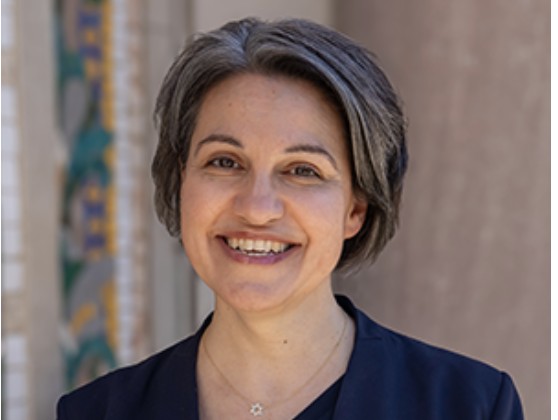
Rabbi Jill Maderer, who has led Congregation Rodeph Shalom since 2017, initially felt an instinctual urge to confront the protesters. However, after consulting with the targeted business owners and fellow rabbinic leaders, she chose a different path. The consensus among these advisors was clear: the demonstration was led by a small, fringe group, and an aggressive counter-protest would only provide the publicity they sought.
“The wisest folks I could talk to were in agreement that giving oxygen to this boycott would only strengthen the anti-Semitic boycotters.”
said Rabbi Maderer in an interview with The Blogs at The Times of Israel. Instead of engaging in a confrontation on the street, Maderer and other Center City clergy organized a formal commemoration of Kristallnacht at the city’s outdoor Holocaust Memorial. The event focused on historical education and interfaith solidarity rather than public friction.
The Evolving Nature of Antisemitism
The timing of the ride—falling on the eve of the anniversary of the “Night of Broken Glass”—has raised significant concerns about the nature of modern political protest. While the organizers claimed they were unaware of the historical significance of the date, the decision to proceed regardless has been interpreted by many local leaders as either a profound ignorance of history or a deliberate provocation.
Maderer notes that antisemitism in the United States is currently undergoing a shift in how it is perceived by the broader public. Historically, prejudice against Jewish people often centered on accusations of excessive strength or power.
Today, she observes a different, more complex dynamic where Jewish individuals are frequently cast as the “oppressor” in contemporary political narratives. This framing, she argues, has made antisemitism more socially tolerated in certain circles, allowing it to gain traction under the guise of political advocacy.
Philadelphia Supporters Back Businesses While Community Tensions Rise
The response from the Philadelphia community was significant, with hundreds of counter-protesters appearing on Sunday to support the businesses. Customers reportedly lined up for hours, demonstrating a clear desire to back the local establishments. Yet, for Maderer, the experience was bittersweet.
She expressed concern that the counter-protest lacked coordination with the broader interfaith community and feared that some individuals within the Jewish community resorted to tactics like doxing, which she believes ultimately harms long-term social cohesion.
The incident highlights a persistent challenge for civic leaders: how to defend a community against targeted hate without escalating tensions or alienating potential allies. For Maderer, the answer lies in building relationships across lines of difference before crises occur. By fostering deeper connections, she hopes that diverse groups in Philadelphia can stand in solidarity with one another when any single community is singled out for harassment.
As the city moves forward, the focus remains on the resilience of the local businesses involved. Despite the attempt to pressure them into closing, these establishments continue to operate, supported by a segment of the public that views them as integral to the fabric of the neighborhood.
The events of November 2026 show how quickly historical memory can be sidelined for contemporary political signaling and the effort required to maintain a pluralistic society.
Related reading

How to Qualify for the Maximum Social Security Benefit in 2027
The Social Security Administration has finalized its benefit formula for 2027, confirming that the maximum monthly retirement benefit...

Wyoming Leaders React to Trump Administration Plan to Sell Federal Public Lands
The transition toward a new federal administration has brought a sharp, immediate conflict over the future of the...

Fayetteville State Beats West Virginia State 104-95 via Defensive Pressure
Twenty-six forced turnovers fueled a relentless defensive pressure that lifted Fayetteville State to a 104-95 victory over West...

Milwaukee County Upcoming Public Meetings and Commission Schedules
Milwaukee County officials have officially set the stage for a busy mid-November, as a wave of commission and...