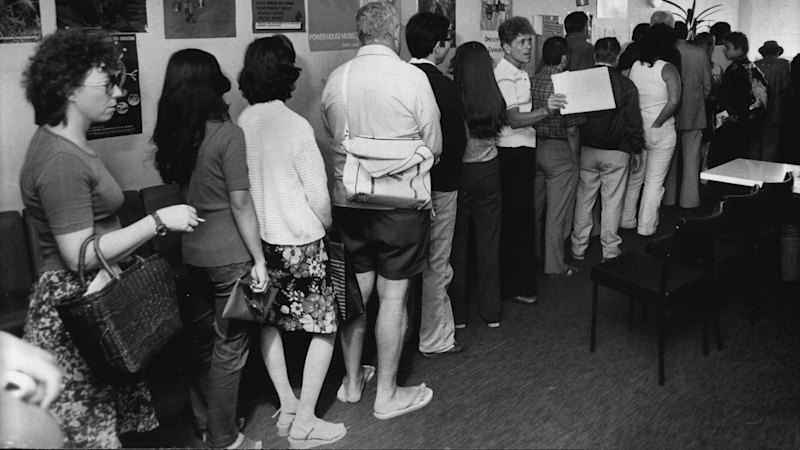
Australia’s central bank has lifted its interest rates to the highest level in 18 years, a 4.35% benchmark, to combat persistent inflation. The Reserve Bank of Australia (RBA) board made the decision in a majority vote, a move that comes as the bank acknowledges a decline in public trust in its ability to manage inflation.
What is a recession and are we in one?
An official recession is typically defined as two consecutive quarters of negative economic growth. The RBA has not declared that Australia is currently in a recession.
Why is the RBA raising interest rates?
The RBA increased interest rates to combat inflation, which has been above the central bank’s target range of 2 to 3 per cent for years. The bank stated that inflation “is another story” and that “around the world, that’s causing increasing anger.” The rate hike is a measure to bring inflation down to its target.
Is public trust in the RBA declining?
Yes, the RBA has acknowledged a decline in public trust in its near-term ability to bring inflation down. Deputy governor Andrew Hauser stated that trust in the RBA’s ability to achieve its monetary policy objectives in the next 12 months has “fallen materially.” However, he noted that overall trust in the RBA as an institution remains “broadly stable, or even slightly up” over the past 18 months, which he called a “welcome, but frankly quite surprising result.” Hauser warned that “just as we need it most, trust is under strain.” The bank’s Community Research Survey, which includes feedback from 12,000 Australians, showed that around 55 per cent of respondents have ‘high’ or ‘moderately high’ trust in the RBA.
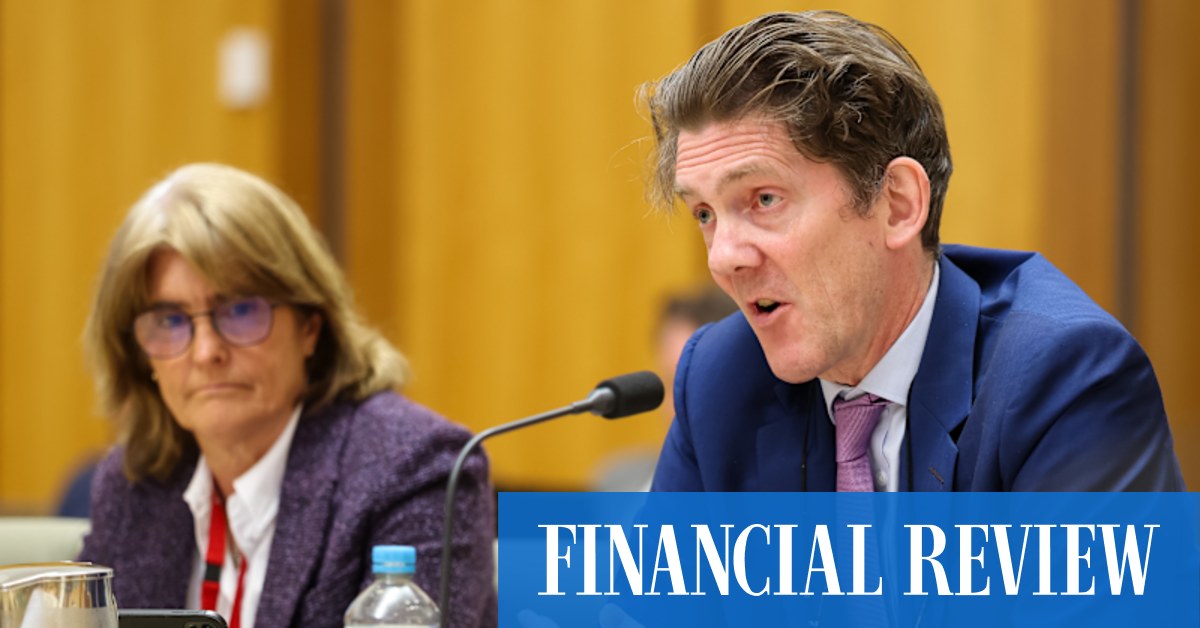
“Not all the news is bad,” he said. “But inflation is another story. It’s been above central bank targets for years.”

Experience Wealth opens in Wausau to serve Central Wisconsin
Steven Schreiner opened Experience Wealth in Wausau this April, targeting the wealth transfer and retirement planning needs of...

Car Crashes Into Rustic Spoon Patio Pinning Woman Under Tire
A woman was pinned under a car tire after a vehicle crashed through the patio of the Rustic...
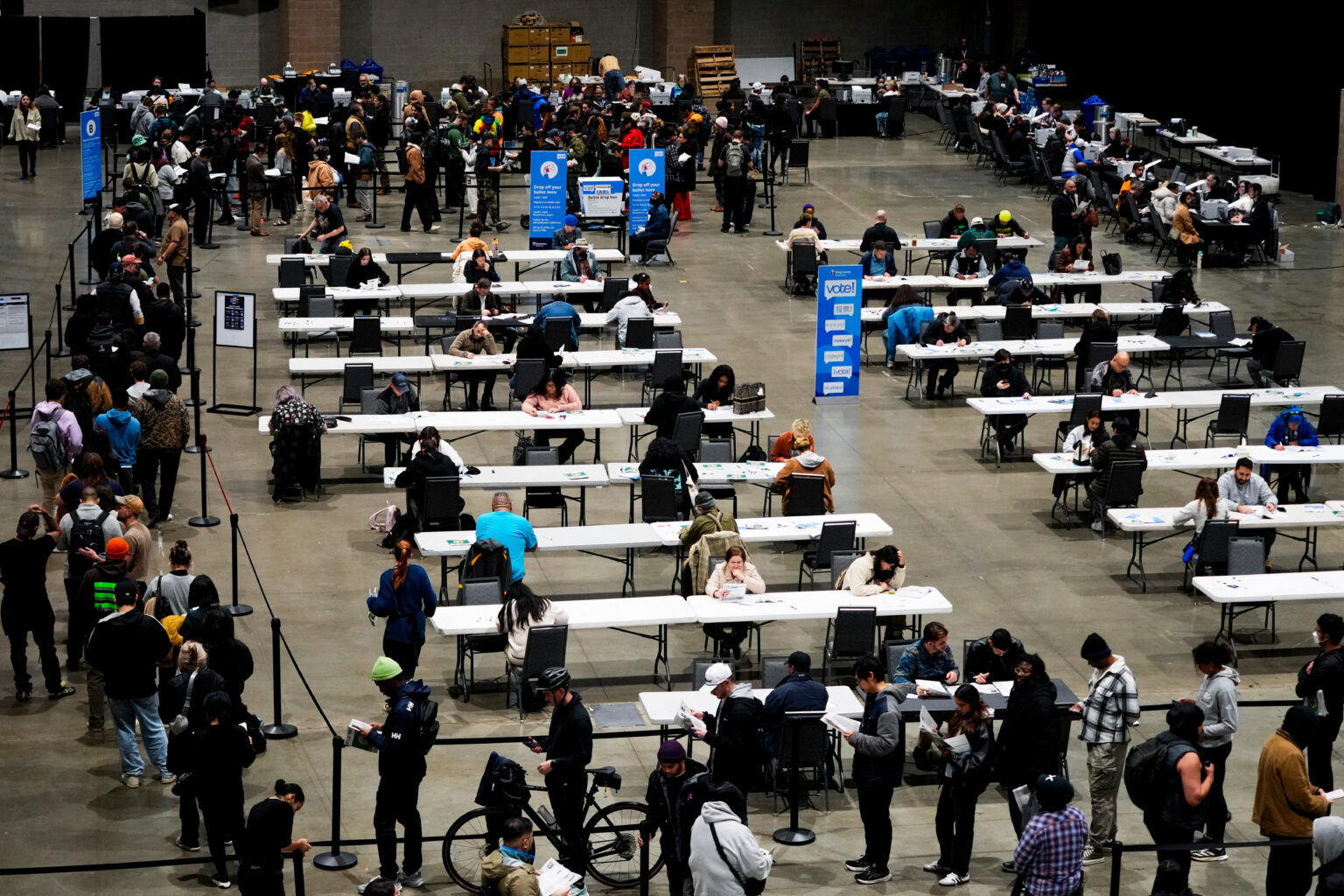
Judge Blocks DOJ From Pressuring Washington to Set Aside Ballots
Federal Judge Halts Trump DOJ's Attempt to Withhold Washington Ballots Two days after Election Day, a federal judge...

Support Charleston Stage Resident Actors Through the Creativity Fund
Charleston Stage Launches 2026 Creativity Fund to Bolster Resident Actors For 25 years, the Resident Actor Program has...