
After a whirlwind three elections in five months, South Dakota Gov. Larry Rhoden has won his own four-year term, securing a decisive victory that caps a remarkable political ascent.
When The Associated Press called the race at about 10:45 p.m. Central time on Tuesday with 52% of the votes counted statewide, southdakotasearchlight.com reported that the Republican incumbent held a 64% to 36% lead over Democratic challenger Dan Ahlers. Rhoden’s win cements his control of the executive branch after taking over the final two years of former Gov. Kristi Noem’s term when she joined President Donald Trump’s administration in January 2025.
From Underdog to Primary Rebound
Rhoden’s path to a full term was anything but straightforward. When he launched his campaign last November, initial polls cast him as an underdog behind U.S. Rep. Dusty Johnson, who chose to run for governor rather than seek reelection to Congress. The race took another sharp turn on June 2, when political newcomer and Aberdeen businessman Toby Doeden surged to a first-place finish in the Republican primary after pouring $5 million of his own money into the contest. Rhoden secured his spot in a top-two runoff by finishing second, while Johnson dropped to third and state Speaker of the House Jon Hansen placed fourth.
Momentum shifted dramatically a few weeks later. On July 28, Rhoden turned the tables on Doeden in the runoff, trouncing his primary challenger by 42 points. With that hurdle cleared, the general election in a state where Republicans outnumber Democrats 2-to-1 carried little suspense.
Facing a massive financial advantage from the incumbent, Dan Ahlers—a 52-year-old businessman and former legislator hailing from Dell Rapids—found it difficult to establish a statewide presence. According to campaign reporting deadlines, Ahlers’s minimal fundraising allowed him to spend just $164,000 by Oct. 19, whereas Rhoden’s fundraising committee deployed more than $3 million throughout the cycle. Ahlers and his running mate, former legislator Steven McCleerey, ultimately fell short, extending a historic losing streak for their party. The last time South Dakota voters elected a Democratic governor was 52 years ago in 1974.
The Record That Shaped the Campaign
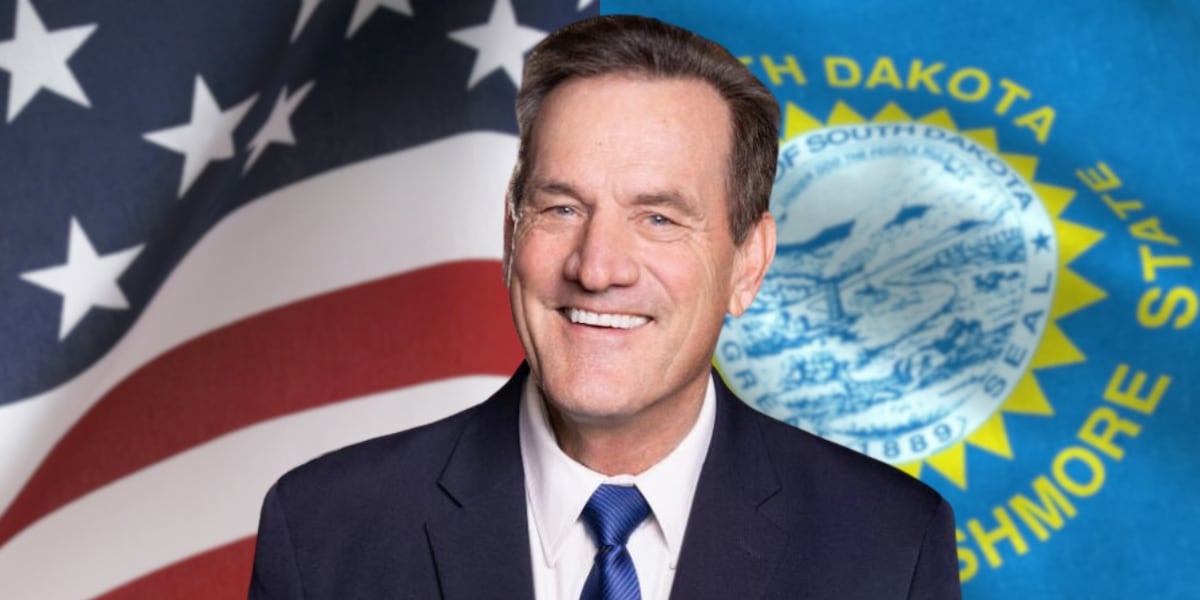
Rhoden, a 67-year-old rancher, custom welder, and former legislator from rural Union Center, ran heavily on his executive record. During his nearly two years in office, he worked closely with lawmakers and Lt. Gov. Tony Venhuizen to sign several major pieces of legislation into law. Those measures included using revenue generated from sales tax increases to provide property tax relief for homeowners, passing a strict ban against using eminent domain to secure land access for carbon capture pipelines, and authorizing $650 million to construct a modern replacement for the oldest sections of the state’s 145-year-old penitentiary.
Good policy makes good politics,
Rhoden said while launching his campaign.
KOTA reported that Rhoden also highlighted his economic development initiatives, investments in rural broadband, public safety priorities, and efforts to expand defense manufacturing through the South Dakota Defense Institute. Campaigning on his six-and-a-half years in the South Dakota National Guard, he emphasized steady leadership and responsiveness to the state’s rural communities.
Ahlers offered a starkly different vision for Pierre, campaigning as a conservative Democrat who argued that South Dakota needed political balance after decades of Republican control of the governor’s office. Throughout the race, Ahlers focused on affordability, housing, support for farmers and ranchers, and greater accountability in state government. During their debates, the candidates clashed over healthcare access and Medicaid expansion, with Ahlers criticizing the Legislature for altering policies originally approved directly by voters through ballot measures.
Looking Ahead to the Next Term
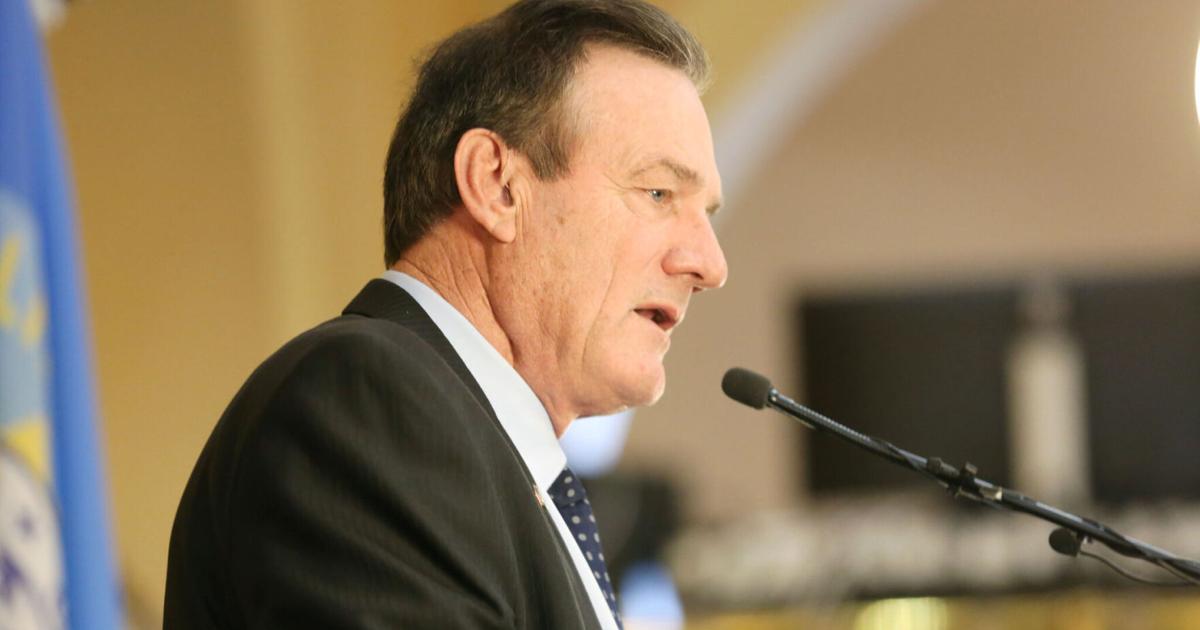
With the race decided, Rhoden will oversee the state executive branch and shape priorities alongside the Legislature for the upcoming legislative session.
Questions regarding his future political timeline also remain open. Under the South Dakota Constitution, state term limits dictate that no person shall be elected to more than two consecutive terms as governor. However, because Rhoden secured his initial two years through the constitutional line of succession rather than a direct gubernatorial election, he could potentially choose to run again four years from now for what would amount to a third term.
Worth a look

County elections could bring big changes to council, school board – Charleston City Paper
Voters Shake Up Charleston County School Board and Council Charleston County voters appeared to hand several incumbent leaders...

Mark Warner claims fourth Senate term as Virginia voters approve amendments
Warner Claims Fourth Senate Term as Luria Ousts Kiggans in Virginia Midterms U.S. Sen. Mark Warner, D-Va., secured...

Stephanie Long Enoch, Samira Khan, and Kyle Ward Elected to Alamance-Burlington Board of Education
Alamance-Burlington Board of Education Election Results: Enoch, Ward, and Khan Secure Open Seats Voters across Burlington, Graham, Mebane,...

Ben McAdams Takes Commanding Lead in Utah’s 1st District
Utah Sends Democrat to Congress in Historic First District Shift Utah is on the brink of sending a...