Rhode Island’s 700-Pound Solution to a Nation’s Copper Crisis
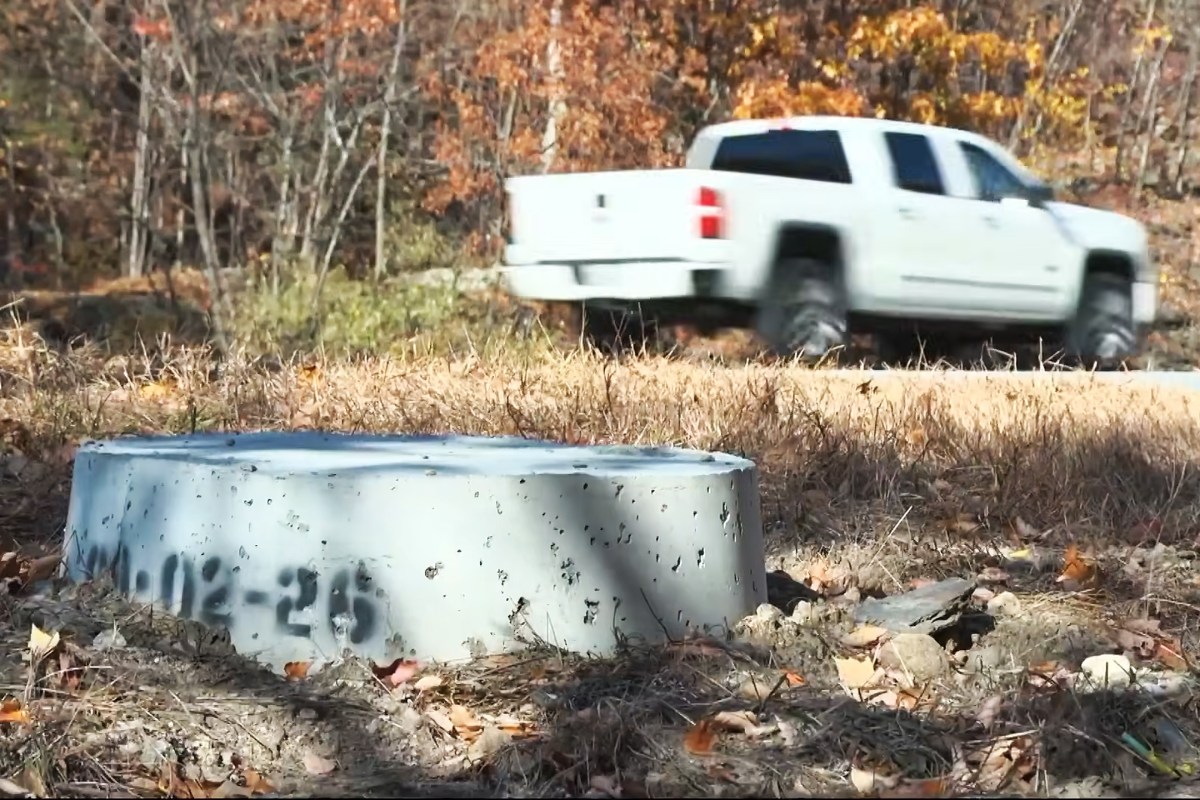
Rhode Island has deployed 700-pound concrete blocks to shield manhole covers from copper wire theft, a measure that has already cost the state over $1 million in losses, according to The Drive.
The Cost of a Metal Heist
Since copper prices surged a few years ago, Rhode Island’s Department of Transportation (RIDOT) has battled persistent thefts that target the wiring powering streetlights. Interim Director Robert Rocchio described the issue as an “endless cycle” of restoration and re‑theft. “We restore it, they steal the copper, we go back in,” he told NBC 10 WJAR. The state’s $75,000 investment in concrete blocks—87 have already been installed out of a planned 151—aims to break that cycle.

The tactic’s effectiveness is evident: the blocks, which require heavy machinery to move, have deterred thieves. Yet the financial toll remains steep. RIDOT’s $1 million loss, though unspecified in timeframe, highlights a broader problem. AT&T recorded 4,300 thefts of its own wire last year alone. “They cut the cable, pull it to a location, burn it to remove the sheath, and sell the bare copper,” said Scott Gonzaga of AT&T’s engineering division, per NPR.
A previous report incorrectly stated the cost as $750,000, but WJAR later corrected the figure to $75,000 in its written version. The blocks, which require heavy machinery to move, are buried or ground down to lay flat on roads but stick out like a sore thumb off the roadway.
A National Pattern, Local Pain
Copper theft isn’t confined to Rhode Island. In Philadelphia, stolen wires left a youth football team practicing in darkness, while California’s telecom sector grapples with recurring break‑ins. AT&T now offers monetary incentives for tips, a strategy that highlights the scale of the crisis.
For Rhode Island, the stakes are both economic and civic. The state’s $75,000 expenditure on concrete blocks may seem modest, but it reflects a larger burden on taxpayers.
“What they typically do is they cut the cable down, they’ll pull it to a location, and they start working on stripping it.” — Scott Gonzaga, AT&T
Keep reading

Wilma Emmalee Austin of Huntsville, Arkansas Passes Away at 84
A Life of Connection in Northwest Arkansas Wilma Emmalee Austin, a longtime resident of Huntsville, Arkansas, passed away...
Election Day is Tuesday. Here’s where you can vote in Juneau. – KTOO
Alaska’s Juneau Votes in a Crucible of Change On Tuesday, November 2, 2026, voters in Juneau, Alaska, will...

Jury Convicts Little Rock Woman of Conspiracy to Commit Sex Trafficking of a Minor
Federal Jury Convicts Little Rock Woman in Sex Trafficking Conspiracy In a case that underscores the relentless efforts...

Women’s Basketball opens with Mississippi State in Starkville – University of North Alabama Athletics
North Alabama Women’s Basketball Faces SEC Powerhouse Mississippi State in Starkville The University of North Alabama women’s basketball...