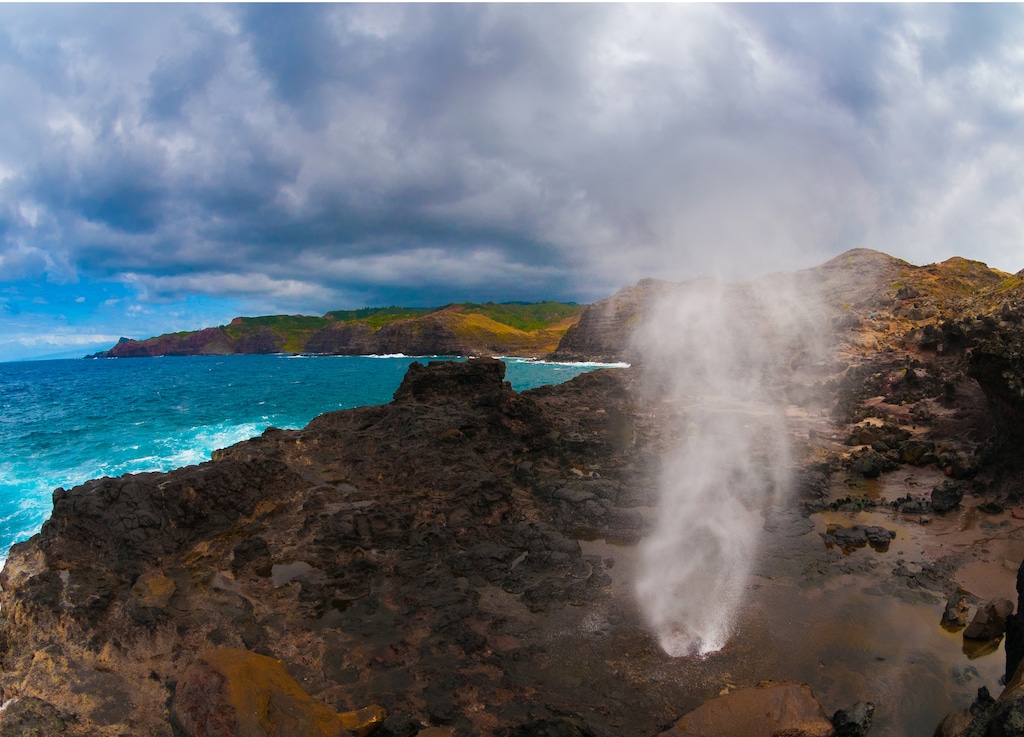
Travelers visiting the Hawaiian archipelago encounter a landscape shaped by both violent geological forces and a complex monarchical history.
From the rugged sea cliffs of Kauai to the active craters of the Big Island, these sites offer a direct connection to the Pacific’s shifting terrain and its former kingdom.
Royal Caribbean reported that ten specific landmarks stand out as essential destinations for those looking to understand the cultural and natural depth of the islands. These locations span multiple islands, including Oahu, Maui, Kauai, and the Island of Hawaii, providing a diverse itinerary of hiking, historical reflection, and coastal viewing.
The scale of these sites ranges from massive volcanic structures to intimate royal residences.
Oahu preserves military and royal history
On Oahu, the intersection of natural beauty and historical significance is most visible at Diamond Head and Pearl Harbor. Known in Hawaiian as Lēʻahi, the Diamond Head volcanic crater frames the eastern edge of Waikiki. The summit trail, which offers views of Honolulu and the Pacific, was originally constructed in 1908 to serve as part of Oahu’s coastal defense system.

Nearby, the USS Arizona Memorial at Pearl Harbor serves as a somber tribute to the lives lost during the December 7, 1941, attack. The white structure was dedicated in 1962, more than two decades after the event, and it spans the sunken battleship to create a space for remembrance.
In downtown Honolulu, ʻIolani Palace provides a window into the era of the Hawaiian Kingdom. As the former residence of King Kalākaua and Queen Liliʻuokalani, Hawaii’s final reigning monarchs, the palace showcases the political shifts that reshaped the islands. The building was an early adopter of modern technology, having installed electric lighting as early as 1887.
The geological forces of the Big Island and Maui
The Island of Hawaii is dominated by the active volcanic activity of Kīlauea and Mauna Loa. Hawaii Volcanoes National Park, which gained status as a UNESCO World Heritage Site in 1987, allows visitors to witness how lava flows and steam vents continuously rebuild the land. This activity is contrasted by the serene, lush environment of ʻAkaka Falls, where a 442-foot waterfall plunges into a deep gorge near Hilo.

On the Kona coast, Puʻuhonua o Hōnaunau National Historical Park offers a glimpse into ancient social structures. Under the traditional kapu system, this site served as a sacred place of refuge for those who broke religious laws. The park features a 965-foot Great Wall constructed entirely of stones fitted together without the use of mortar or cement.
Maui’s landscape is defined by two distinct volcanic profiles. Haleakalā, a massive volcano forming the eastern part of the island, reaches an elevation of 10,023 feet at its highest point, Puʻuʻulaʻula. Meanwhile, the ʻĪao Needle, or Kūkaʻemoku, rises approximately 1,200 feet above the floor of the ʻĪao Valley, standing as a prominent green pinnacle amidst the mountain ridges.
Kauai showcases dramatic coastal erosion
The island of Kauai is characterized by deep canyons and steep cliffs carved by centuries of erosion. Waimea Canyon, often referred to for its vivid red-brown rocks and green ridges, stretches roughly 14 miles and reaches depths exceeding 3,600 feet.
Because of the rugged terrain, much of the coast is best viewed from the water during scenic cruises.
| Landmark | Location | Key Feature |
|---|---|---|
| Diamond Head | Oahu | Volcanic crater/Coastal defense |
| Haleakalā | Maui | 10,023-foot summit |
| Waimea Canyon | Kauai | 3,600-foot depth |
| ʻAkaka Falls | Island of Hawaii | 442-foot drop |
Planning a visit to these sites often depends on the specific island itinerary. While Honolulu serves as a central hub for accessing Pearl Harbor and Diamond Head, reaching the inland landmarks of Kauai or the volcanic trails of the Big Island requires dedicated time ashore.
Keep reading

Boston Is a Medical Powerhouse. Why Is It so Hard to Get Primary Care?
In a column for The Boston Globe, Olivia Yarvis argues that Boston's status as a premier medical capital...
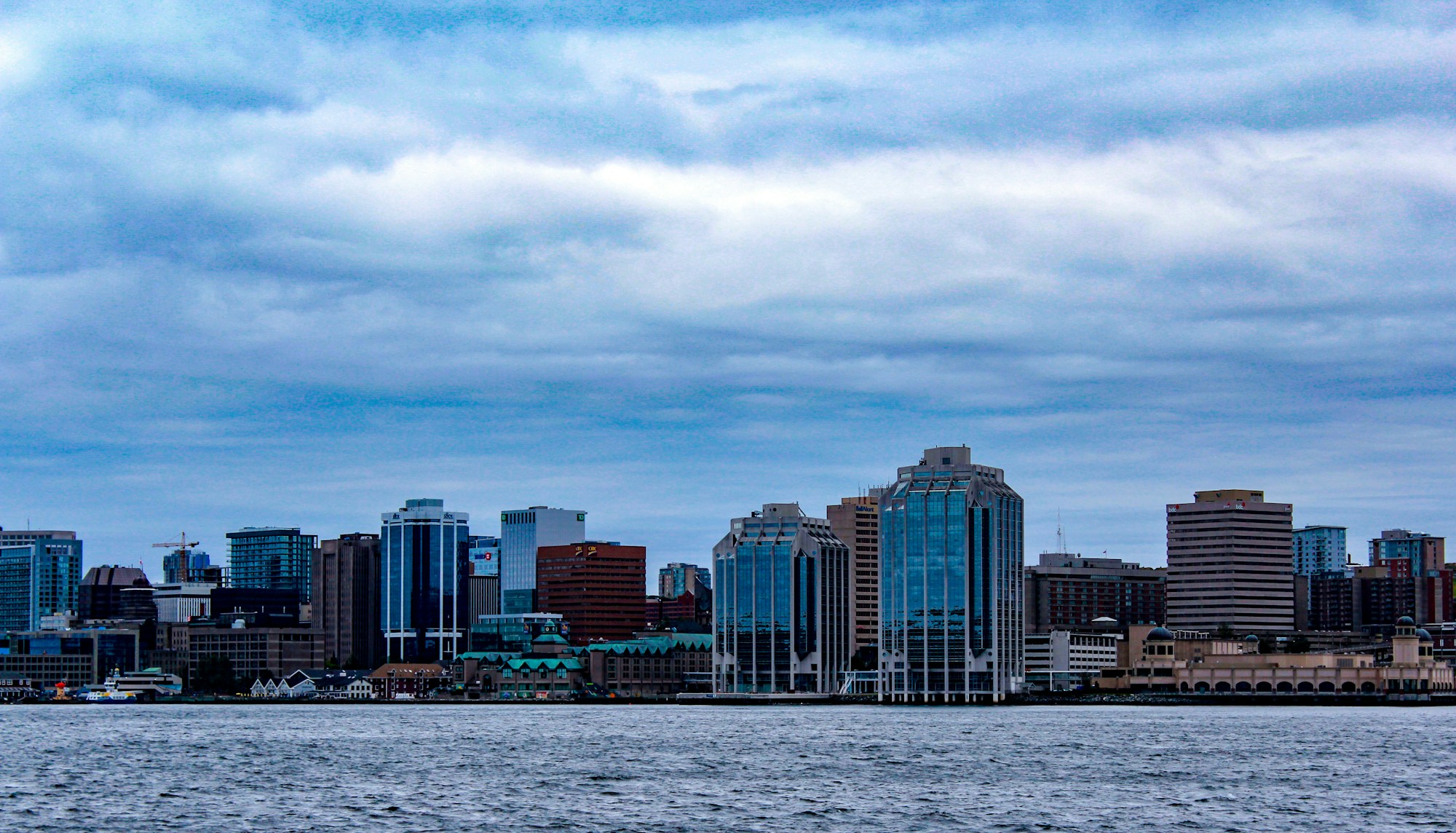
Pixidia Analysis: Only Three of Ten Top-Rated Halifax Tours Run in Winter
Halifax is not a one-afternoon city, splitting cleanly between a historic harbourfront best explored on foot and an...

A Citizen-led $15K Grant and More Than 20 Volunteers Help Keep North Augusta Beautiful
About 20 people gathered on the chilled morning of Nov. 13 at Living History Park to repair a...
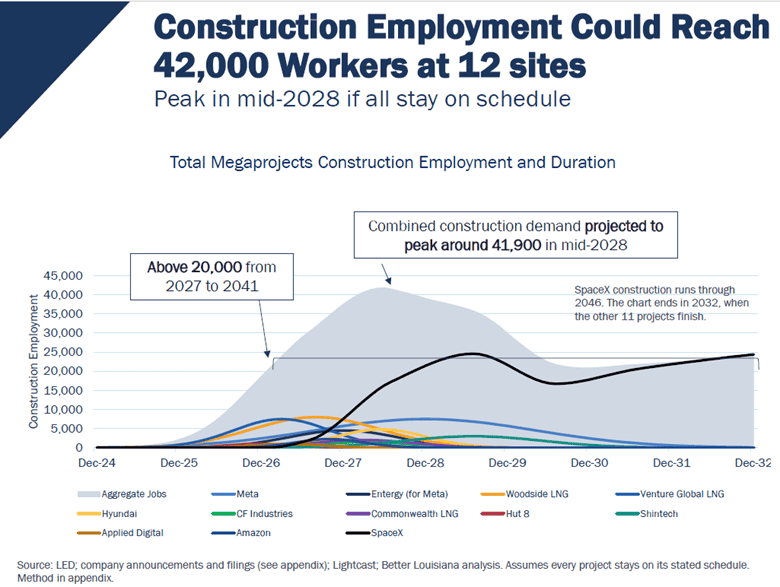
Louisiana Faces a Critical Shortage of Skilled Workers
Louisiana faces a critical shortage of skilled workers as twelve major industrial and technology projects totaling $282 billion...