
The British entertainment industry is currently grappling with a profound systemic reckoning as two of its most prominent comedians, Russell Brand and David Walliams, face devastating allegations of sexual misconduct.
Just one day after Brand was sentenced to ten-and-a-half years in prison for rape, the focus shifted to Walliams, whose attempts to suppress reports of sexual misconduct allegations were dismissed by a judge.
The convergence of these scandals has stripped away the veneer of the “edgy” comedy era that defined British television throughout the 2000s and 2010s. While Brand has been convicted of attacking four of six accusers, 55-year-old Walliams—a children’s author and TV personality—now faces detailed accounts from multiple women, according to the Guardian and ITV News.
The Comedy Industry’s Blind Spot
Industry insiders are now questioning whether the culture of comedy provided a convenient shroud for predatory behavior. For over two decades, the industry engaged in “public nods” to Walliams’ alleged conduct, framing his reputation as an open secret “in plain sight” of those within the production circles.
A 2013 sketch for the BBC’s Comic Relief, which featured A-list celebrities joking about Walliams’ promiscuity, is now being scrutinized as an example of how the industry normalized—and perhaps shielded—his behavior under the guise of irreverence.
Jonathan Ross, who faced backlash after a 2004 video resurfaced showing him joking about Walliams going home with 15-year-olds, said he had no idea of the allegations that would later transpire.
He said that had he had any reason to suspect the joke might be referring to actual events, he would not only have refused to use it, but he would not have felt comfortable continuing a personal or professional relationship with Walliams.
The Economics of Accountability
The financial stakes for media entities are substantial. Broadcasters, which relied on the ratings power of these stars for decades, are now tasked with managing the reputational damage and the potential for further legal discovery. The scrutiny extends to how these networks vetted their talent and whether corporate indifference to power imbalances facilitated a culture of exploitation.
Four years work, some of it under tortuous legal and moral threat – a powerful investigation into David Walliams by The Guardian and ITV News, written in part by brilliant friends of the CIJ Maeve McClenaghan, Imogen Barrer, Amanda Nunn and Sirin Kale. https://t.co/UL15B9D8aM…
For the consumer, the impact is felt primarily through the shift in how studios approach talent contracts. With the industry bracing for accusers to emerge, the ripple effect is likely to force a more rigorous “duty of care” standard in future production agreements.
A Shifting Cultural Landscape
The government has signaled that the current environment is untenable. Lisa Nandy, the culture secretary, told Sky News that the allegations against Walliams represent a “long line of reported abuses of power” and warned that entertainment executives must implement more robust protections for women.
Despite the years that have passed since the offenses occurred, Nandy said that she cannot see what has substantively changed within media companies to prevent such power dynamics from persisting.

The legal pressure continues to mount. Former partners testified to a 2014 "violent incident," showing the behavior continued throughout the height of these performers' popularity.
As the industry moves to excise the work of these men from their catalogs, the question remains whether the institutional structures that allowed these stars to flourish will undergo genuine reform or simply pivot to the next generation of bankable talent. For now, the era of the untouchable celebrity comedian appears to have reached a definitive, and perhaps permanent, conclusion.
The @itvnews investigation which David Walliams tried to stop in the courts. Watch here 👇 https://t.co/jvXQEwPPQW
More on Russell Brand
Many have been asking for a link to my interview with comedian Lucy Beaumont about the #Walliams allegations (which he denies). Here it is:https://t.co/dF0vrnb76i
Worth a look
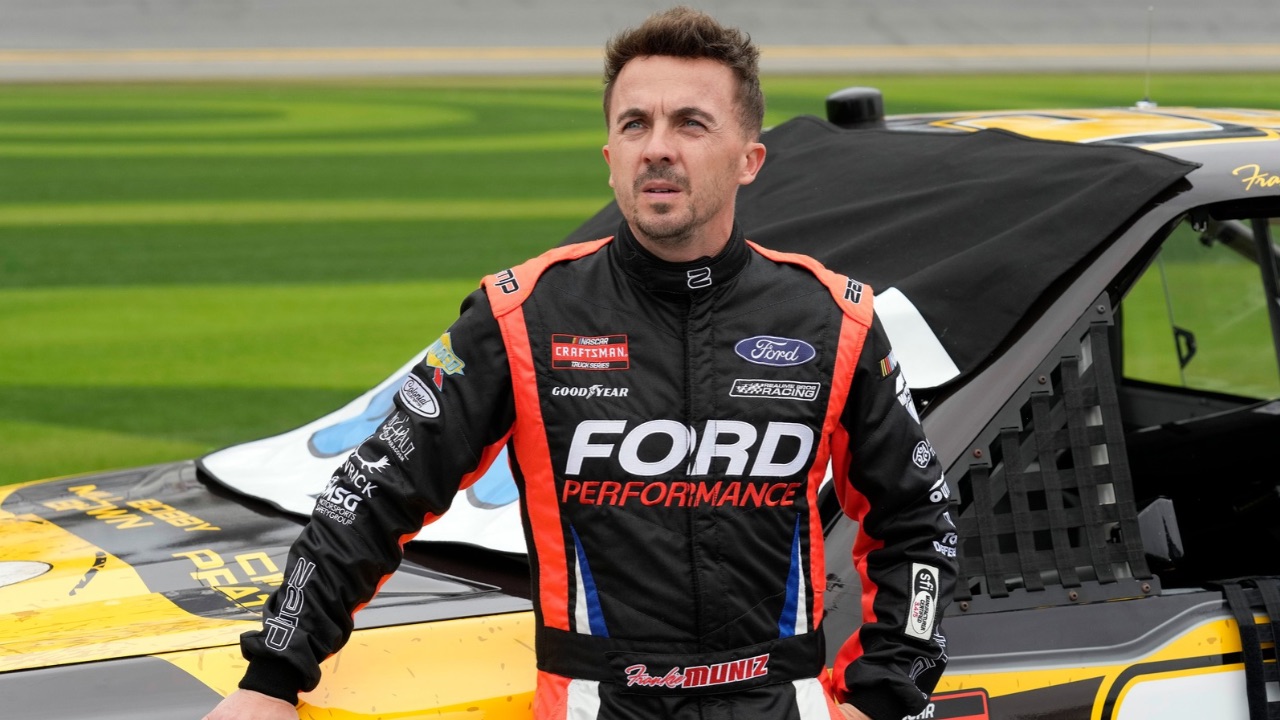
Malcolm in the Middle’ Star Frankie Muniz Released From Hospital After Daytona Crash
Actor and race car driver Frankie Muniz was released from a Florida hospital following a practice-lap crash on...

Shane MacGowan Tribute Album Is the Measure of His Dreams
A tribute album arrives to celebrate Shane MacGowan's legacy. Before his death in November 2023, Shane MacGowan often...

Meta Removes Russell Brand’s Instagram Account Following Rape Conviction
Meta has removed Russell Brand’s Instagram account, marking a definitive end to the comedian’s presence on the platform...

Kate Nash Says OnlyFans Is Necessary To Fund Her Music Tours
Kate Nash says she will continue to post on OnlyFans to cover the costs of her upcoming North...