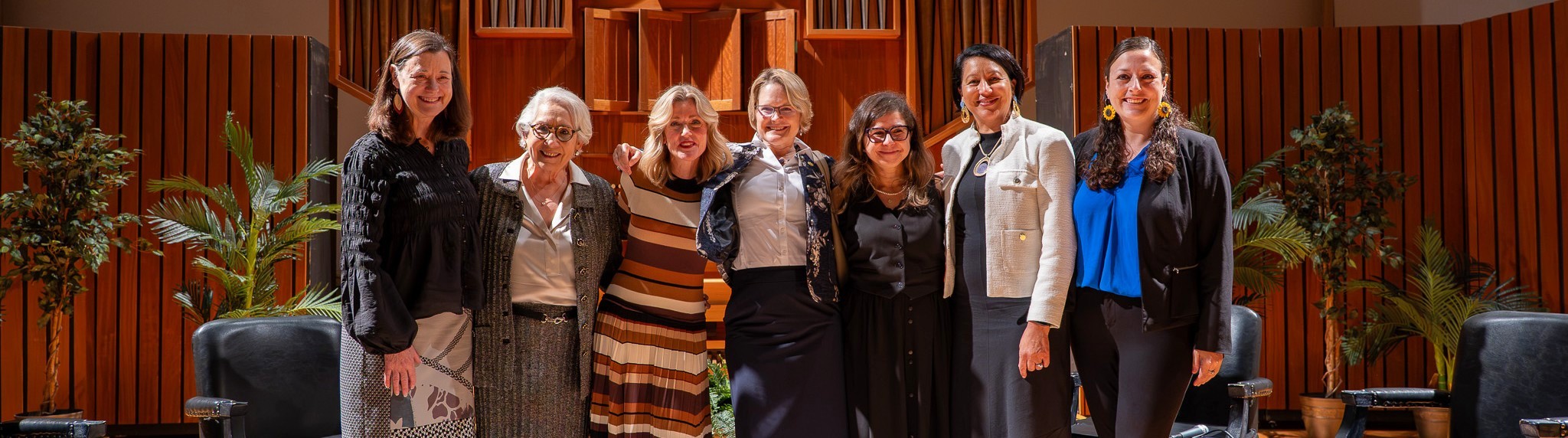
Dr. Jill Fleuriet, the 23rd president of Salem Academy and College, recently convened a panel of five women from the fields of medicine, academia, and the arts to discuss the intersection of ethics and leadership. The event, titled “Rooted in Values, Rising to Lead: Women, Ethics, and the Future We Shape,” served as a cornerstone of the institution’s Women’s Leadership Month and the celebrations surrounding Dr. Fleuriet’s inauguration, as reported by Salem Academy and College.
This wasn’t just a ceremonial gathering. For an institution that has educated women since 1772, the discussion functioned as a live case study in the liberal arts philosophy: the idea that leadership isn’t a set of technical skills, but a byproduct of grounded values and a commitment to community well-being. By bringing together a Presidential Medal of Freedom recipient, a nonprofit CEO, and medical experts, Fleuriet signaled a presidency that intends to blend academic rigor with practical, compassionate leadership.
The Human Stakes of Leadership
The conversation, moderated by Dr. Diane Lipsett, director of religious studies and the Engaging Ethics program, moved quickly past platitudes to address the friction women face in male-dominated sectors. The panelists didn’t just discuss the “glass ceiling”; they discussed the emotional and physical toll of breaking it. Asia Ciaravino, CEO of San Pedro Playhouse, highlighted a critical tension in leadership: the balance between the instinct to nurture others and the necessity of self-preservation.
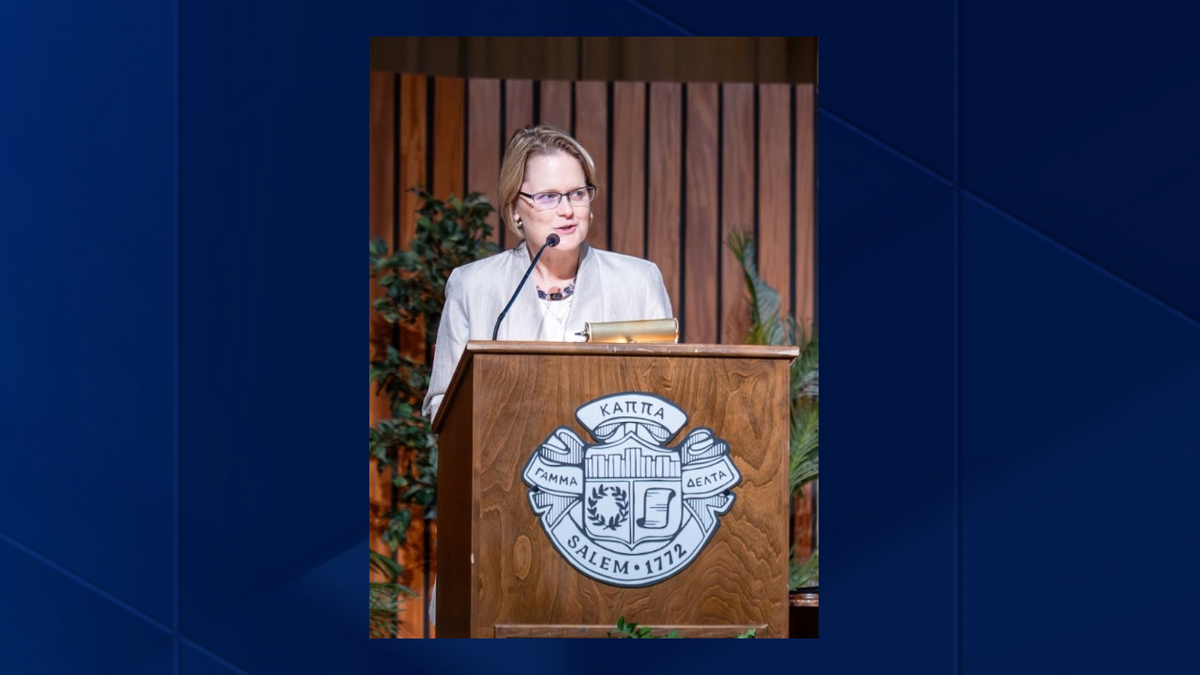
“When do women not want to help? It’s instinctually who we are as women; we want to make sure everyone is included and has a seat at the table and create spaces where people can be the best selves they could possibly be,” Ciaravino stated.
Ciaravino’s point about self-care—stating that one cannot care for others without first caring for oneself—mirrors a growing shift in professional ethics. By centering self-care as a leadership requirement, the panel framed wellness not as a luxury, but as a prerequisite for sustainable civic impact.
Breaking the Silence on Ambition
One of the most pointed moments of the discussion came from Dr. Juliet García, a professor at the University of Texas Rio Grande Valley. García holds a unique place in American higher education as the first Latina to serve as president of a college or university in the United States, a milestone recognized in 2022 when President Joe Biden awarded her the Presidential Medal of Freedom.
García challenged the tendency for women to wait for external validation before stepping into power. She urged the students in attendance to be proactive about their own trajectories, noting that waiting for a formal invitation often means waiting forever. Her advice was blunt: raise your own hand and declare your readiness for the next level of leadership.
A Strategic Pivot Toward Health Leadership
While the discussion touched on the humanities and arts, there was a clear, strategic emphasis on health and wellness. The presence of Dr. Pam Oliver, chief medical officer for Novant Health, and Dr. Şerife Tekin of State University of New York Upstate Medical University emphasized Salem’s institutional commitment to preparing women for the healthcare sector.
According to WXII, Dr. Fleuriet’s own background as a cultural and medical anthropologist is expected to propel this focus. By integrating anthropology—the study of humans and their societies—with medical leadership, the college is positioning its graduates to handle the “soft skills” of medicine: empathy, cultural competency, and ethical decision-making.
The Tension of the Traditional Liberal Arts
The counter-argument presented by this panel is that technical skill without an ethical framework is dangerous.
The panelists argued that the ability to “take differences seriously” and “put care into practice” is exactly what makes a leader effective in a polarized society. In this view, the liberal arts aren't an ornament; they are the operating system that allows a leader to manage complex human systems without breaking them.
A New Chapter for the 23rd President
The event concluded with personal reflections directed at Dr. Fleuriet, who officially began her tenure as president on July 1. Dr. Oliver’s encouragement for Fleuriet to “stay bold” served as a final reminder that leadership at a historic institution requires a balance of respecting tradition and daring to disrupt it.
Reflecting on the diversity of the group, Dr. Fleuriet noted that the strength of the conversation lay in how the women respected their differences while recognizing their shared goal of community strength. She framed the act of supporting other women not as a side project, but as the primary work of leadership.
Salem Academy and College has spent over 250 years educating women. As Dr. Fleuriet takes the helm, the focus has shifted from simply granting women access to leadership to defining what that leadership looks like when it is rooted in ethics rather than just authority.
Keep reading

Madison Communities launches luxury senior housing platform
Madison Communities, a Charlotte-based multifamily developer, is launching a new platform dedicated to luxury senior housing and age-restricted...

Disney+ details bundle tiers and costs for Hulu and HBO Max access
Access to the game is integrated into the Disney+ interface for those utilizing the bundled service offerings with...

US Government Holds Equity Stakes in Approximately 40 Companies
The United States government has quietly evolved into a significant shareholder in dozens of private companies, creating a...

Henrico and Richmond police investigate vote poster vandalism
Small business owners in Central Virginia are facing unexpected cleanup costs after large, adhesive "vote" posters were glued...