
Salem College financial aid packages for the 2026–2027 academic year require families to evaluate the complete financial aid offer and separate different types of assistance rather than relying on a headline figure. Because scholarship amounts, eligibility rules, and renewal conditions change with each admissions cycle, incoming students must confirm awards directly through current Salem College materials and individual financial aid offers.
Evaluating Salem College Aid Components and Net Costs
Understanding how a financial aid offer affects a household budget starts with separating gift aid from funds requiring repayment or employment. Scholarships and grants reduce college expenses without requiring repayment, though eligibility often hinges on financial need, academic achievement, talent, or specific program rules. Work-study programs provide wages through approved employment over time, meaning earnings are not immediately deducted from semester billing statements.
Student loans, parent financing, and private loans lower the amount due immediately but increase the long-term price through accumulated interest. Families should calculate the estimated net cost by subtracting grants and scholarships from the total cost of attendance, which encompasses tuition, required fees, housing, food, books, course materials, transportation, and personal expenses. Borrowed funds cover remaining balances rather than discounting the education itself.
Application Steps and FAFSA Requirements for 2026–2027
Securing maximum institutional and federal assistance requires meeting priority deadlines and completing the Free Application for Federal Student Aid at StudentAid.gov using Salem College’s verified federal school code. Scholarship consideration depends on when an applicant’s admissions file becomes complete, making transcript and recommendation tracking essential. If the federal processing system selects an application for verification, students must submit requested tax documentation or household details promptly through secure college channels.
Institutional merit awards may evaluate academic distinctions, grades, course rigor, and leadership reported during admissions. Applicants should determine whether merit consideration happens automatically or requires supplemental essays, auditions, portfolios, or interviews. Outside scholarships from community foundations, employers, and civic organizations require careful review to ensure no application fees apply and to report funding accurately to the financial aid office.
Scholarship Renewal Standards and Satisfactory Academic Progress
Maintaining institutional scholarships often depends on fulfilling strict renewal criteria, such as maintaining a minimum cumulative GPA, remaining enrolled full-time, or completing a specific number of semesters. Federal aid recipients must simultaneously satisfy Salem College’s satisfactory academic progress policy, which evaluates grade point averages, credit completion pace, and maximum program timeframes independently from scholarship rules.
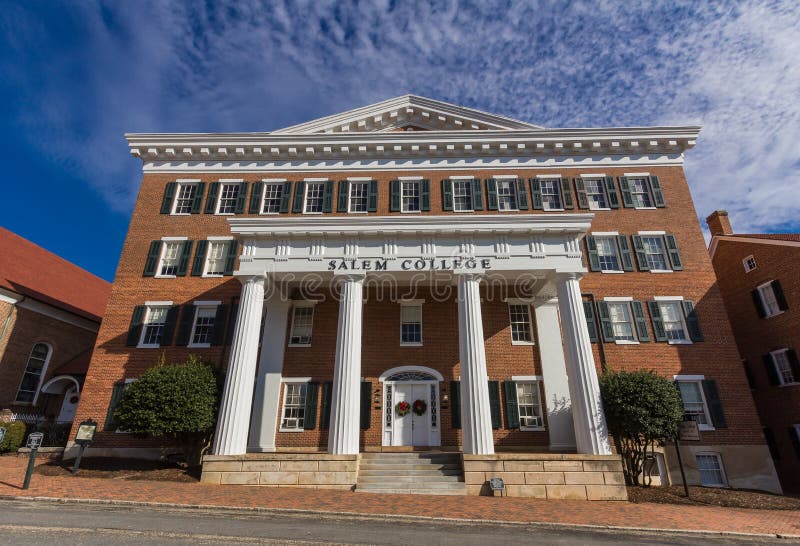
Families facing significant financial shifts—such as job loss, divorce, or unusual medical expenses—can request a professional judgment review by contacting the financial aid office with supporting documentation. Monitoring applicant portals and verifying deadlines prevents common pitfalls like treating loans as billing credits, ignoring renewal provisions, or relying on outdated scholarship criteria from previous academic years.
Keep reading

Four Lock Haven wrestlers go 3-0 at Navy Classic
Four Lock Haven Wrestlers Go Unbeaten at Navy Classic Opening Day Four Lock Haven wrestlers finished their matches...

Collins, Jackson make their closing appeals in Maine’s pivotal US Senate race
Maine US Senate Race Reaches Final Hours With Record Spending and Divergent Closing Strategies With more than $260...

Baton Rouge community joins nationwide movement in march for Nolan Wells – WBRZ
Baton Rouge Joins Nationwide Movement Over Nolan Wells Death Community leaders across more than a dozen states hosted...

Defiance Yellow Jackets at Northern Kentucky Norse Womens Basketball tickets – 11/02/2026
Tip-Off at Truist Arena Opens a New Chapter for Norse Basketball Northern Kentucky Norse women’s basketball takes to...