
Salt Lake City metro housing inventory has reached its highest level in at least a decade, with more than 4,000 active home listings as properties linger on the market and nearly one-third of sellers drop their asking prices, KUTV reported.
The metro area recorded 4,030 active home listings in October, according to housing analytics company Reventure. Homes spent a median of 63 days on the market, while nearly 32% of listings featured a price cut.
Data from FRED’s Realtor.com active listing series showed 3,923 active listings in September 2026, marking the highest count in that series since it began in July 2016. That figure represented a 14.1% increase from 3,437 active listings a year earlier.
Supply sits 43% above its long-term average, while sales have dropped about 50% from their pandemic peak, giving buyers significantly more room to negotiate, according to Nick Gerli, CEO of the housing analytics company Reventure. Gerli projected that the gap between listing prices and home values will narrow further, forecasting a 5.5% decline in Salt Lake-area home values in 2027.
Some sellers continue to resist lowering prices, particularly if they secured a mortgage rate well below current levels and do not face pressure to move. Sellers who must relocate or complete a transaction show greater willingness to negotiate.
“I’m not going to say it’s a good time to buy. I will say it’s a good time to make offers on houses.”
said Nick Gerli, CEO of the housing analytics company Reventure
Gerli recommended that buyers compare existing homes against new construction, where builders may prove more flexible with price reductions or mortgage-rate incentives. He also cautioned against viewing the current market slowdown as a repeat of the 2008 housing crash, noting that today’s market lacks the same level of mortgage distress or adjustable-rate loans.
While buyers are expected to maintain bargaining power into 2027, inflation and interest rates could alter the outlook. Unsold inventory and shifting asking prices leave the market adjusting its optimism rather than its fundamental home values.
Worth a look
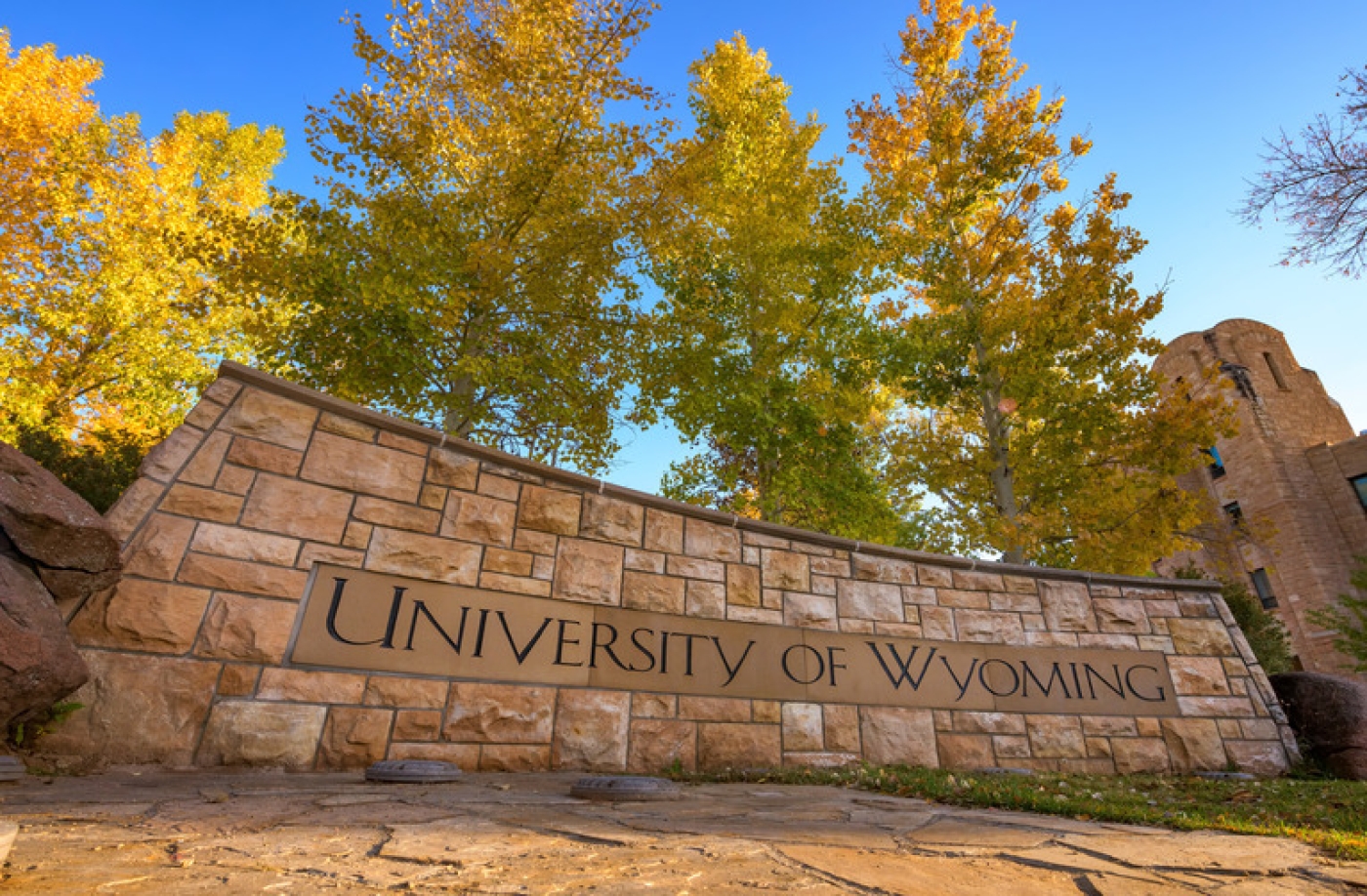
University of Wyoming Saves $45,000 Annually With FormFusion E-Billing
The University of Wyoming saves approximately $45,000 annually after replacing printed mailouts with electronic billing. Before the change,...

Brewers Lose Jake Bauers to Red Sox in $58 Million Deal
First baseman Jake Bauers is leaving the Milwaukee Brewers to sign a four-year, $58 million contract with the...

No. 24 West Virginia Defeats Northwestern 66-53 After Late Run
Northwestern pushed No. 24 West Virginia deep into the fourth quarter before a late 15-2 run sealed a...

Seattle Leaders Visit San Francisco to Study Economic Recovery
Public safety changes and street conditions shape economic confidence, as Seattle city leaders learned during a trip to...