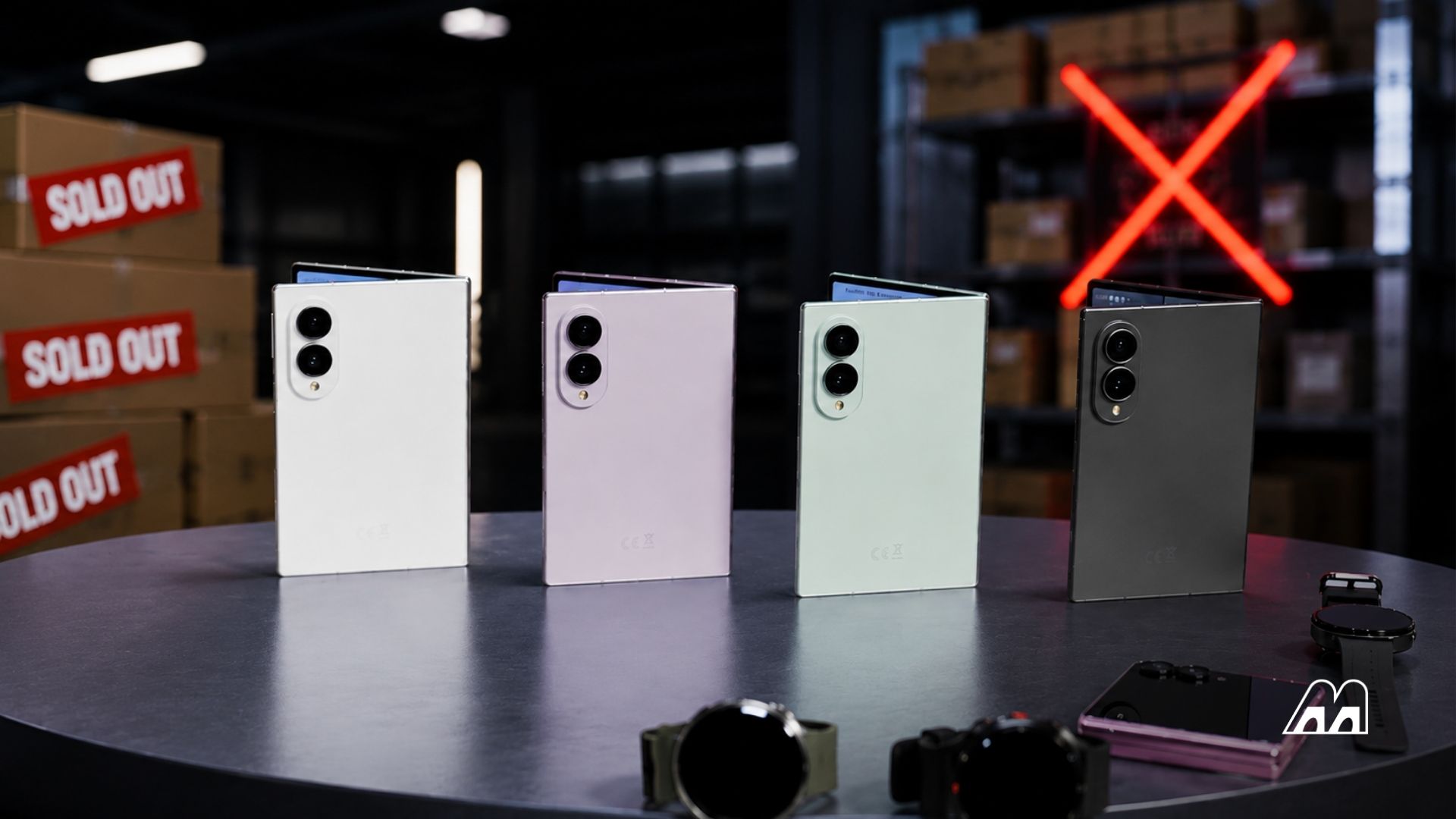
Samsung is facing unprecedented demand for the newly announced Galaxy Z Fold 8, with pre-orders reportedly running three times higher than last year’s model in South Korea. The surge has caused severe delivery delays stretching into September and October, prompting the company to request emergency production increases from its suppliers.
Unprecedented Pre-Order Surges and Supplier Scrambling
The launch of Samsung’s latest foldable lineup has disrupted the company’s traditional manufacturing playbook. Typically, the manufacturer waits until a pre-order window closes before adjusting its output.
The extraordinary demand has quickly exhausted available inventory across all storage variants and colors in Samsung’s home market. Official figures from Samsung India, cited by industry analysts, recorded 271,000 pre-orders across the Fold 8, Fold 8 Ultra, and Flip 8 in just 72 hours—matching a volume that last year’s lineup required 15 days to achieve. Notably, 45% of those early orders originated from tier-2 cities and smaller regional markets, indicating that consumer interest is expanding well beyond traditional early adopters.
Leakers tracking the hardware point to an even bigger milestone: the Galaxy Z Fold 8 lineup is reportedly on pace to match or surpass the early pre-order volume of the Galaxy S26 traditional flagship slab phone. For seven generations, Samsung foldables functioned primarily as a niche complement to the Galaxy S series rather than direct competitors.
Global Delivery Delays Stretch from August to October
While the sales figures mark a major commercial win, the immediate reality for consumers involves significant wait times. Initial retail availability was scheduled for mid-August, but delivery estimates on Samsung’s online store and carrier platforms have slipped considerably.
Shoppers attempting to secure specific color and storage combinations face extended shipping windows. The in-demand Graphite and Cream colorways are seeing particularly tight supply. Carrier-locked models, unlocked 256GB configurations, and variants with paid storage upgrades are seeing estimated arrival dates pushed back across major regions.
“Due to high demand, we are experiencing a delay in delivery on popular combinations.”
Samsung, via Android Authority
In the United States, online store orders for certain configurations have slipped to September and October. For instance, the online-exclusive Pistachio finish saw its 1TB model pushed back to October, while community reports on Reddit highlight individual orders for the 256GB Graphite variant scheduled to arrive as late as October 2. T-Mobile versions of the Fold 8 in Cream face similar October delivery estimates, according to findings published by Android Authority.
The Design Bet Behind the Foldable Boom
Industry observers attribute the sales surge to a fundamental redesign of the hardware. For the first time, Samsung split its foldable strategy. The Galaxy Z Fold 8 Ultra preserves the tall, narrow form factor of its predecessor for productivity tasks, while the standard Galaxy Z Fold 8 adopts a shorter, wider footprint.
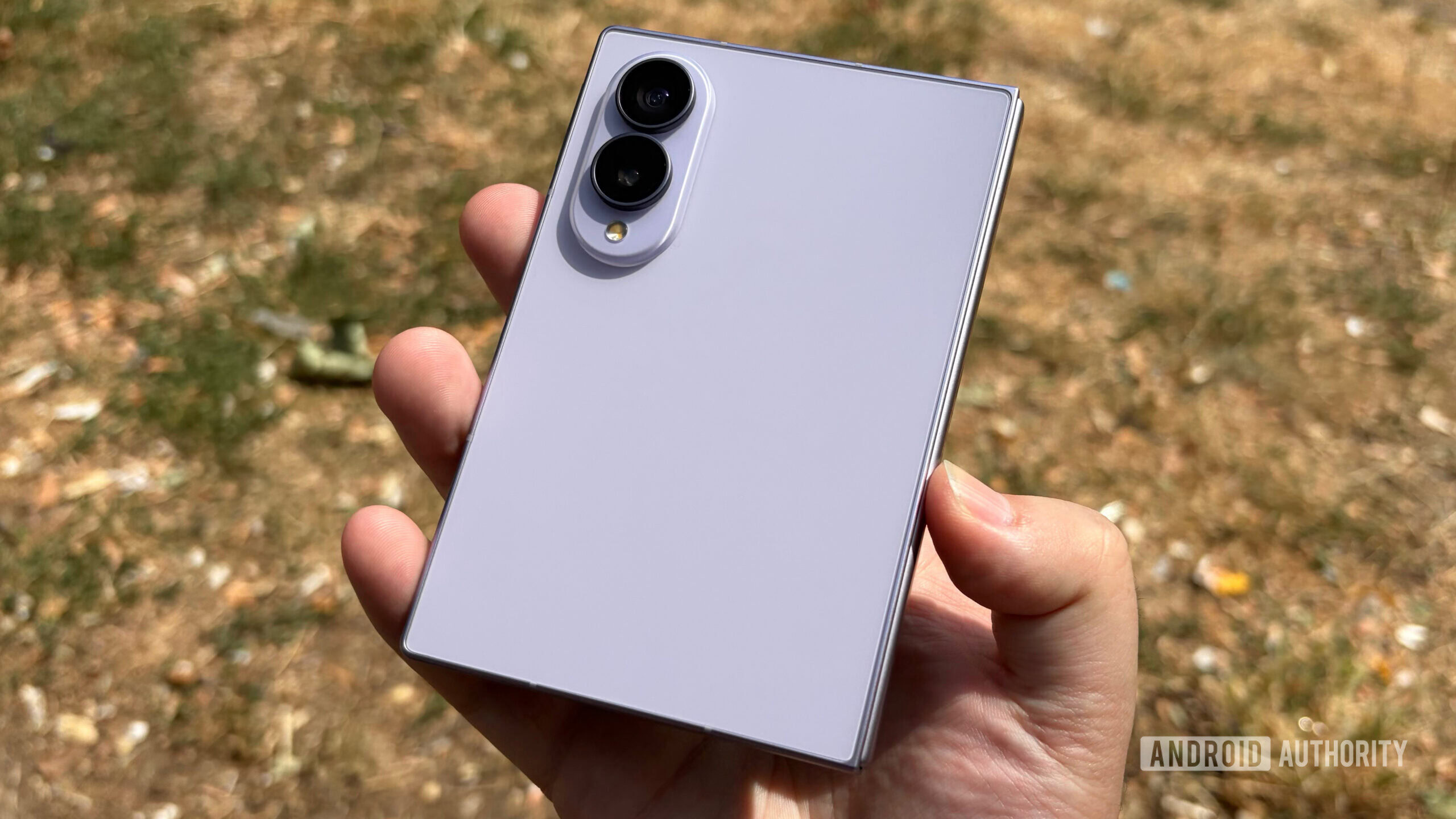
Reviewers have likened the new 4:3 aspect ratio to a passport, making the inner display feel closer to a compact tablet while remaining comfortable for one-handed texting and scrolling. Weighing in at 201 grams, the device is Samsung’s lightest book-style foldable to date. Additional hardware updates include a hinge that springs open rather than holding fixed angles and an anti-reflective display coating designed to mitigate glare.
Pricing, Margin Pressures, and Cost Realities
| Device Lineup | Starting Price (US) |
|---|---|
| Galaxy Z Flip 8 | $1,200 |
| Galaxy Z Fold 8 | $1,900 |
| Galaxy Z Fold 8 Ultra | $2,100 |
Despite the high sales volume, the commercial success introduces financial complexities for the manufacturer. Samsung’s mobile division recorded an operating loss in the first half of the year, driven largely by spiking costs for memory chips and processors. Memory and storage components now account for more than 30% of material costs in premium smartphones.

Aggressive consumer incentives, such as the double-storage upgrade promotions offered in South Korea, create further pressure on profit margins. While mobile chief TM Roh told reporters in London that the company plans to hold prices steady through supply chain optimization, incoming component price increases from suppliers threaten to narrow those margins further as global availability expands through August.
Keep reading

The Blood of Dawnwalker Crosses One Million Sales on $40 Million Budget
Rebel Wolves' dark role-playing game The Blood of Dawnwalker has surpassed one million copies sold following its launch.
NIST Scientists Bake Model Scrolls to Test Lead-Based Ink Scans
Researchers studying the 2,000-year-old Herculaneum papyri have tested a new method for reading carbonized scrolls by looking for...

Apple Launches Apple Watch Series 12 and Ultra 4 With New Retailer Deals
Apple launched the Apple Watch Series 12 and Apple Watch Ultra 4 on September 18, alongside new pricing,...

Battery Imaging Library Launches Open Access Database With 4.5TB of Data
Researchers have launched the world's first open-access Battery Imaging Library, housing over 4.5 terabytes of experimental data from...