
The Deceptive Hazard of Autumn Trails in New Hampshire
Familiarity with local terrain often breeds a false sense of security, particularly when the landscape undergoes a seasonal transformation. In a recent column for 97.5 WOKQ, Sarah Sullivan detailed a cautionary experience at the Gonic Trails in Rochester, New Hampshire. Despite being a frequent visitor to the area, she discovered that the arrival of autumn foliage can fundamentally alter the safety and navigation of well-trodden paths.
Sullivan described a late-season outing where unseasonably warm temperatures—reaching the upper 70s—prompted a hike on a route she believed she knew intimately. The trouble began when she opted to deviate from the main loop, attempting to ascend a steep embankment on the red trail. While the climb appeared manageable at the outset, the accumulation of fallen leaves obscured the ground, hiding the roots and rocks that make such inclines hazardous.
The Consequences of Improper Gear and Hidden Terrain
The physical stakes of the hike became clear when Sullivan realized the embankment was steeper than anticipated. Lacking a walking stick and wearing unsuitable footwear—specifically Vans—she found herself unable to continue the ascent safely. The situation worsened when her water bottle slipped from her pocket and tumbled back down the slope, forcing her to abandon the climb and descend carefully to retrieve her supplies.

This incident serves as a practical reminder of the necessity for proper equipment when walking in outdoor spaces. Sullivan noted that her choice of linen pants and casual footwear was fundamentally mismatched for the terrain, turning a routine walk into a precarious situation.
Navigation Challenges Beneath the Canopy
The primary danger highlighted by Sullivan’s experience is the loss of trail visibility. When leaves blanket a path, they create a uniform surface that conceals depressions, loose stones, and exposed tree roots. This can lead to slips, trips, or, as in Sullivan’s case, a loss of traction on steep inclines that would otherwise be easily traversed.

The decision to turn back is often framed as a failure of resolve, but in the context of trail safety, it represents a critical assessment of risk. Sullivan ultimately chose to retrace her steps to the waterfall section, a decision she credited to listening to her own internal “voice of reason.” Her account serves as a reminder that even for experienced local hikers, the conditions of a trail are never static.
The lesson for those heading out into the woods this season is straightforward: the visual familiarity of a summer trail does not translate to the autumn months. Beyond the aesthetic appeal of the changing leaves lies a terrain that requires more deliberate foot placement, appropriate hiking boots, and the use of tools like walking sticks to maintain balance on uneven ground. As Sullivan concluded, while New Hampshire offers countless opportunities for exploration, the responsibility for a safe return rests on the hiker’s ability to recognize when the conditions have exceeded their current gear or capability.
Keep reading

BYU Women’s Basketball Beats Portland 74-64 After Dominant Third Quarter
Cougars erase halftime deficit with dominant third quarter to defeat Portland 74-64 The BYU women's basketball team turned...

Tramell Jones Jr. to Make Second Career Start for Florida
Tramell Jones Jr. Earns First Swamp Start Against Oklahoma Sophomore quarterback Tramell Jones Jr. will lead the Florida...
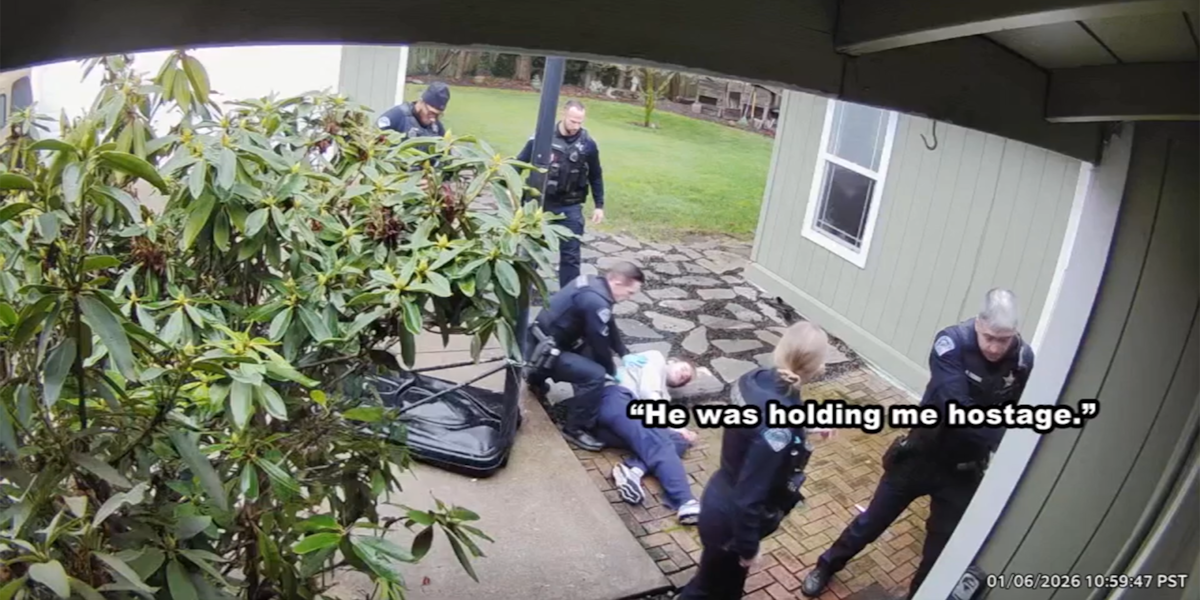
College student held hostage by brother sues Albany officers who shot him 5 times – KPTV
When a 911 Call for Help Ends in Five Bullets and a Federal Lawsuit David Lyon thought he...

Bismarck Demons Defeat Williston Coyotes 3-0 in Finale
Williston Falls to Bismarck Demons on Senior Night The Williston Coyotes wrapped up their regular season with a...