
A secret nationwide operation pulled tens of thousands of UK refrigeration units offline in recent weeks after researchers found a critical vulnerability in the controllers that run cold storage for supermarkets, warehouses, restaurants, petrol stations and stadiums, BBC News reported.
RDM Controllers Air-Gapped After Confirmed Attack Waves
- Thousands of Resource Data Management (RDM) controllers — each managing dozens of fridges — were disconnected from the open internet or physically air-gapped in a race against expected exploitation.
- Three confirmed attack waves since August hit US military bases, French supermarkets, and retailers across seven European nations, spoiling millions of pounds of inventory.
- RDM disputes the severity of the flaw but has deployed patches; the NCSC, Defra, and the Food Standards Agency coordinated the urgent remediation.
Vulnerability Found in UK’s Dominant Controller
Ethical hackers at Omega Systems discovered the flaw in late October in hardware made by British firm Resource Data Management, whose controllers are ubiquitous across the UK cold chain. Pentest Partners verified and expanded the findings, revealing a weak password architecture similar to the Danfoss units exploited in Europe.
“There is so much extra attention on these ubiquitous bits of kit now that it was likely a matter of days until criminals or nation state hackers figured it out,” Ken Munro of Pentest Partners told BBC News.
Three Waves of Attacks Preceded the Discovery
The urgency stemmed from a clear escalation pattern. In August, a small number of US military bases saw refrigeration impacted. On October 11 and 12, hundreds of supermarkets and food processing sites in France were hit when Danfoss temperature control systems were targeted.
On November 1 and 2, dozens of supermarkets across seven European countries — Belgium and Luxembourg worst affected — were compromised, along with a small number of blood bank sites in France, according to BBC News.

France Attributes October Wave to Iran
France has blamed Iran for the October attacks on its supermarkets, a claim Tehran denies, BBC News reported. The attribution points to a nation-state capability targeting food infrastructure, which raises the threat model well above typical criminal ransomware.
Race to Air-Gap the Cold Chain
The National Cyber Security Centre, the Department for Environment, Food & Rural Affairs, and the Food Standards Agency launched industry conference calls and tasked teams to contact firms at risk. “It did feel like a race against time as we were expecting another wave of these fridge hacks to come,” a worker at one large UK supermarket chain told BBC News.
“From a business perspective it could have been potentially devastating with business interruption and supply chain problems. Our warehouses have millions of pounds worth of food that could have been spoiled if any hackers found out about this method of attack.” Staff removed internet cables and monitored temperatures manually; the chain took hundreds of devices offline daily for a week.
RDM Contests “Critical” Label but Patches Fast
RDM disputes the critical nature of the vulnerabilities exposed but has been praised for its professional response, the BBC understands. “This was a vulnerability identified in a test environment,” said Ged Evans, CEO of RDM. He said the test “went beyond” what such exercises usually involved, as it “included, dismantling our hardware.”
He added: “In any event we have acted at pace to address this issue and have already deployed first patch releases and have been in proactive contact with our customers to flag any issues and recommend mitigatory steps.”
RDM confirmed no sign of malicious activity on UK controllers and continues working with the NCSC. The ethical hackers noted the hardware required to replicate the exploit can be purchased cheaply on sites like eBay.
Resource Data Management (RDM) is a British firm whose controllers are ubiquitous across the UK cold chain, used by supermarkets, warehouses, restaurants, petrol stations and stadiums. Each device can remotely manage the temperature of dozens of fridges and freezers, making the hardware a critical component of national food infrastructure.
The company has previously demonstrated energy savings of 25 per cent for clients such as Sharrocks Fresh Produce through its Intuitive TDB controller and programmable logic. Researchers at Omega Systems examined RDM units after three attack waves hit Danfoss systems in Europe, finding a similar weak password architecture that prompted the urgent nationwide remediation.
Sector-Wide Exposure Beyond Supermarkets
Warnings extended to convenience stores, petrol stations, restaurants, fast food chains, sports arenas, hotels, food processing plants, and cold storage sites. Each RDM controller can remotely manage the temperature of dozens of fridges and freezers, BBC News reported, meaning a single compromised device threatens massive inventory loss.
Related reading
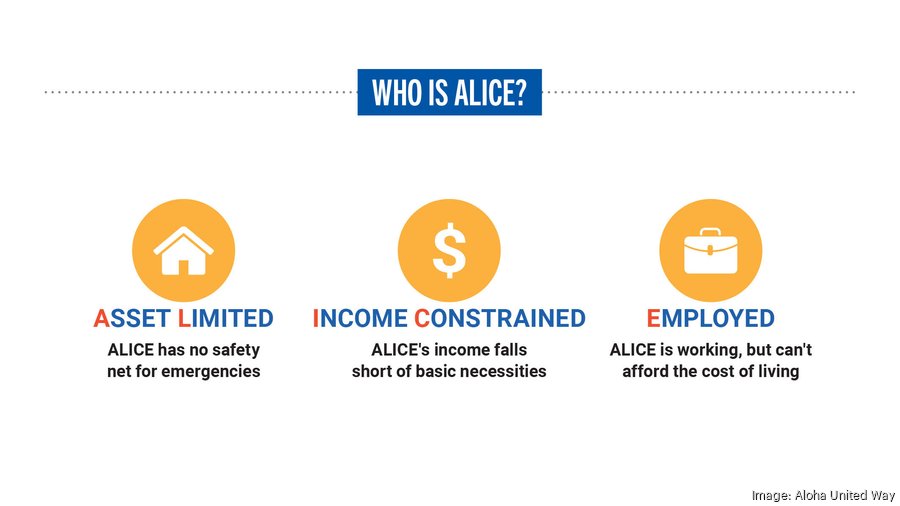
More Than Half of Hawaiʻi Households Struggle, Aloha United Way Report Shows
More than half of Hawaiʻi households now struggle to afford basic necessities, a steep jump from two years...

Johnston Police Identify Officer Ethan Meng in Shooting of Sean Lewis Clements During Traffic Stop
Johnston police have identified the officer who shot and killed a Des Moines man during a traffic stop...

Poilievre Hails Duhaime’s Québec Breakthrough at Federal Rally
Federal Conservative Leader Pierre Poilievre stood in St-Hyacinthe on Thursday and declared his pride in the provincial breakthrough...
Chicago faces a winter tilted toward warmth
Chicago faces a winter tilted toward warmth as a potentially historic El Niño tightens its grip on the...