
U.S. Senate Majority Leader John Thune moved to advance a major bill creating a regulatory framework for cryptocurrencies, filing early Saturday morning to set up a key procedural vote on the Digital Asset Market Clarity Act when the Senate returns from its August recess in mid-September, according to the Reuters website. The procedural maneuver potentially paves the way for a full floor vote on the legislation, which stands as a top priority for both the cryptocurrency industry and the administration of U.S. President Donald Trump.
Senate Majority Leader John Thune Moves to Advance Digital Asset Market Clarity Act
The legislative effort has faced a crowded calendar and persistent political hurdles. Earlier, the U.S. Senate postponed a vote on the measure until after its summer break as leaders prioritized judicial nominations, government business, and Russia sanctions legislation. The ibtimes.com faced competing floor demands that left limited time before lawmakers adjourned for recess.
Regulatory Framework and Division of Oversight
If passed, the Clarity Act would provide the cryptocurrency industry with its first comprehensive federal rulebook. The legislation seeks to establish statutory boundaries by defining when digital tokens are classified as securities or commodities, and by explicitly designating which federal regulators oversee them.
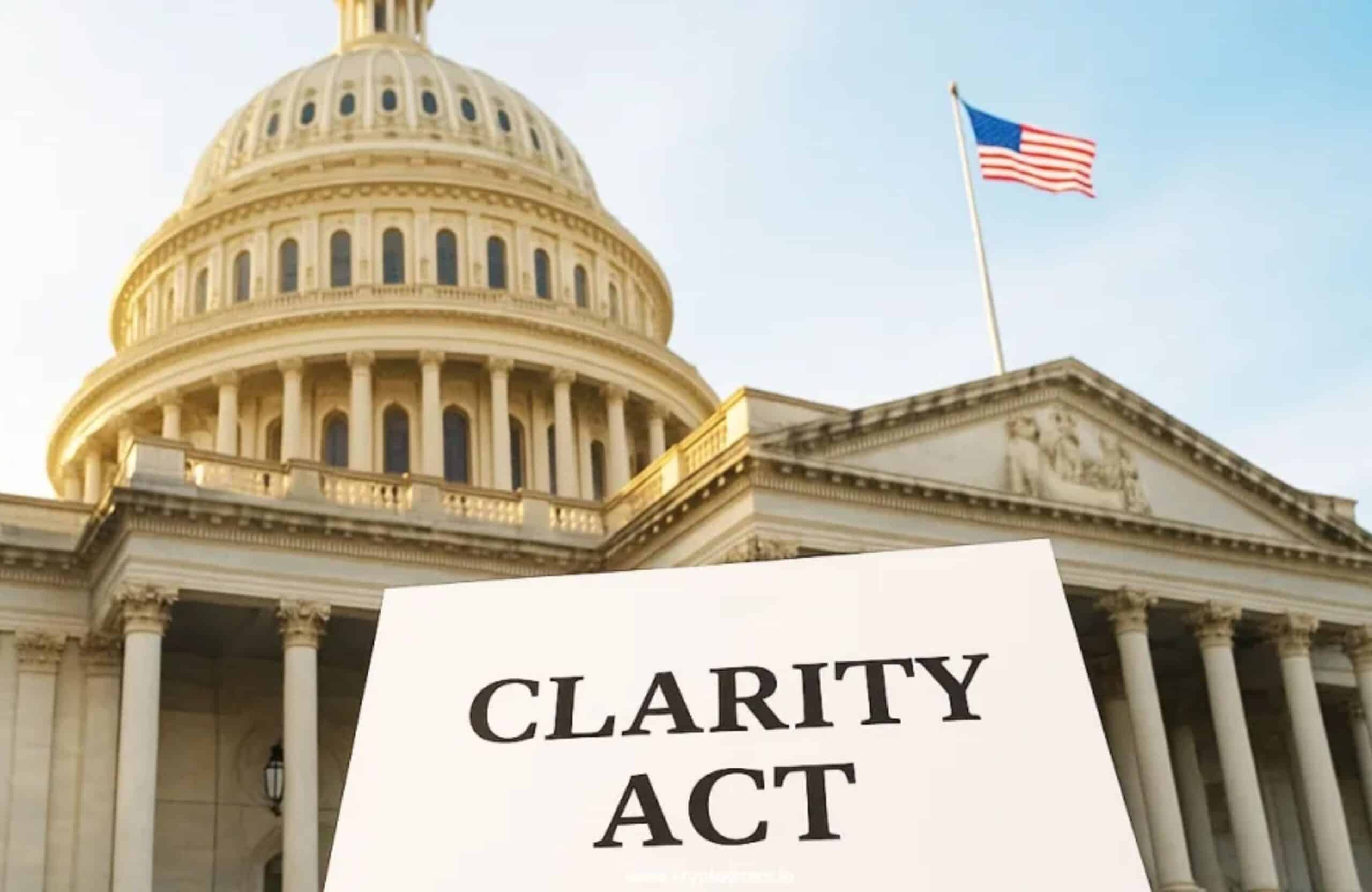
Specifically, the framework divides oversight between the Securities and Exchange Commission and the Commodity Futures Trading Commission, while setting standards for exchanges and other market intermediaries. Crypto companies argue that the act is necessary to establish legal clarity, encourage innovation, and boost the adoption of digital assets.
Political Hurdles, Banking Concerns, and Ethics Debates
Advancing the bill requires overcoming a Senate filibuster, meaning supporters must secure at least 60 votes. Achieving this threshold requires the backing of all voting Republicans alongside support from at least eight Democrats, with Republican leaders betting they can wrangle the necessary votes despite opposition from many Democrats.

The legislation also creates friction with traditional financial institutions. Passage of the bill would represent a blow for banks, which have fought to limit language permitting crypto companies to compete directly for bank deposits by offering rewards on customer stablecoin holdings.
Additionally, political disagreements persist regarding ethics provisions. Democratic lawmakers have pushed for stricter rules and tighter restrictions on government officials’ cryptocurrency ventures, pointing to President Trump’s financial disclosures in June reporting more than $1.4 billion in income from family crypto ventures last year. In contrast, Republican supporters argue the current proposal already contains unprecedented safeguards.
Industry Spending and Legislative History
The crypto industry has invested heavily to support comprehensive federal legislation. Political action committees and crypto-backed networks poured more than $119 million backing pro-crypto candidates in the 2024 election, with subsequent major contributions continuing into subsequent years.
The legislation has advanced further than any prior attempt at a comprehensive U.S. crypto framework. The House of Representatives previously passed the measure in July 2025 by a bipartisan vote of 294 to 134, with 78 Democrats joining every voting Republican. Subsequently, in May, the Senate Banking Committee advanced its version by a 15 to 9 margin, bolstered by support from Democratic Senators Angela Alsobrooks of Maryland and Ruben Gallego of Arizona.

Ezemvelo KZN Wildlife Moves 20 Black Rhinos to Botswana to Boost Population
Twenty critically endangered black rhinos were translocated from KwaZulu-Natal to a remote, secure reserve in Botswana in early...

SEAIT Student Expelled, Charged Over Online Firearms Threat
A college student from Lambayong, Sultan Kudarat, was expelled and charged with grave threats under the Cybercrime Prevention...
Judge Orders Trump to Restore Access for CNN, MS NOW, and Politico
A federal judge temporarily blocked President Donald Trump’s ban of CNN, MS NOW, and Politico from the White...

Idaho Cold Case Solves Identity of 1982 Cyanide Suicide Victim
Idaho investigators have identified a man found dead of cyanide poisoning in a Boise church in December 1982...