
Row-crop farmers in Arkansas lost an average of $243 an acre last year, weathering the worst agricultural economy the state has seen in decades as abysmal crop prices and skyrocketing input costs squeezed rural communities. As reported by KATV, those compounding financial pressures pushed Arkansas to record the highest number of farm bankruptcies of any state in the nation.
Stuttgart Meetings and the Rice Industry Crisis
Senate Agriculture Committee Chairman John Boozman traveled to Stuttgart on Tuesday, visiting Riceland Foods to meet directly with local rice farmers grappling with the fallout. The state’s signature rice crop plummeted from its usual 1.3 million acres down to 851,000 acres this year, marking the worst season for the harvest since the 1970s. The severe contraction forced Riceland to temporarily shut down nine rice drying facilities in June, raising serious concerns about permanent closures.
“Without rice around here, we’re gonna lose a lot of, just a lot of rural infrastructure and people more than anything,” a local rice farmer told Senator Boozman during the visit.
The economic stakes extend far beyond individual balance sheets. Agriculture accounts for roughly 25 percent of the broader Arkansas economy, but in rural pockets outside major towns, it constitutes up to 90 percent of local economic activity following the decline of local manufacturing.
“We kind of referenced how many acres we may need next year to keep the industry viable. Well, that’s rapidly approaching … if we don’t get an answer fairly soon, it’s gonna be devastating to the state of Arkansas,” another producer warned the senator.
Safety Net Payouts and the Fight for Emergency Aid
Federal safety net programs have begun delivering some relief. Recently updated Agriculture Risk Coverage and Price Loss Coverage programs included in the One Big Beautiful Bill have started issuing payments to producers.
“We received some ARC and PLC payments for corn, soybeans, and wheat previously about two weeks ago. The rice PLC payment is due to come out, I think, in early November. So that’ll be soon. Those payments have helped tremendously,” Jordan Maier, a Stuttgart rice and soybean farmer, told KATV.
Even with those safety net updates arriving, growers maintain that supplemental measures are urgently required. Boozman is actively pushing for $11 billion in emergency agricultural aid to bridge producers through another difficult year. However, that funding measure remains tied to a larger defense reconciliation bill that faces strong resistance from Democrats.
Pushing Farm Bill 2.0 After the Midterms
With emergency funds stalled, attention turns to long-term legislative fixes. Boozman argues that the existing federal farm bill is fundamentally outdated, particularly regarding loan caps and operational limits that no longer reflect modern agricultural economics.
The bipartisan farm bill filed by Boozman earlier this year cleared the Senate Agriculture Committee in September along strict party lines. Boozman attributes the committee-level opposition to political calculations ahead of the midterms rather than substantive disagreements over the policy text.

“The Farm Bill that we have is very bipartisan, and yet we couldn’t get a single Democrat to vote for it because of not wanting to give a win … We can get that out of the way, then it’s all about, you know, are we going to help farmers or not,” Boozman told KATV.
Congress is set to take up the legislation during its first lame-duck session following the midterm elections. For producers like Maier, having a senior lawmaker advocate for structural updates remains critical. “He’s really on our side. Senator Boozman’s done a lot for farmers in the past and currently very big champion for the farm bill. We appreciate that very much and trying to get that through,” Maier said.
Worth a look

$13.7 Million Road Project Planned for 45th Street in Bel Aire
The city of Bel Aire is moving forward with a $13.7 million road overhaul of 45th Street, a...

399,900: Historic Lumber Baron Home for Sale in Loyalsock
A mountainstone estate at 220 Northway Road in Loyalsock Township is now on the market for $399,900, marking...

Darryl Barnes Identified After Fatal Shootout With Louisville Police
A 30-year-old Louisville man was identified Wednesday as the individual who died in a motel room following a...
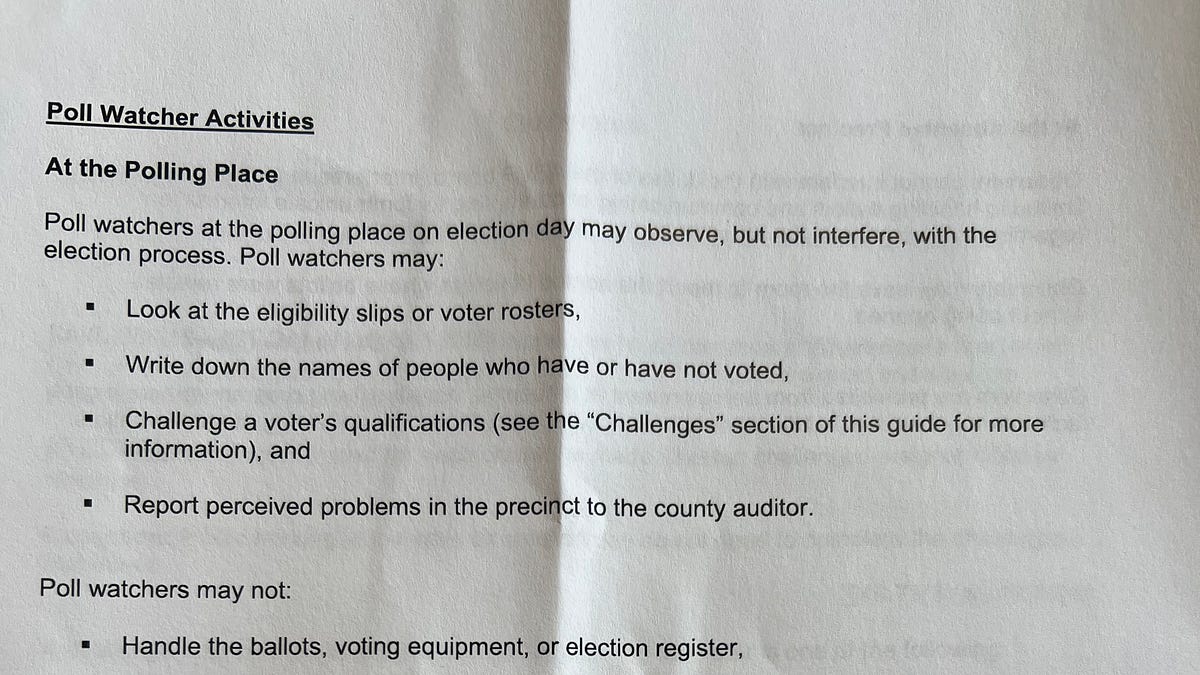
Beth Hoffman: Iowa Poll Watching Raises Intimidation Concerns
In a recent column for In the Dirt, Beth Hoffman argues that the atmosphere at Iowa polling places...