
Dr. Chauhan tests SVV-001 virus to turn “cold” neuroendocrine tumors “hot”
A new clinical approach is testing whether an oncolytic virus can jumpstart the immune system to fight neuroendocrine cancers, which have historically been resistant to standard immunotherapy. In a first-in-human study reported by Targeted Oncology, researchers are evaluating the combination of the Seneca Valley virus (SVV-001) with the checkpoint inhibitors ipilimumab and nivolumab.
Neuroendocrine diseases present a unique challenge for modern oncology. While drugs like ipilimumab and nivolumab have revolutionized treatment for many cancer types, they often fail in neuroendocrine cases because these tumors are “immunologically inert.” In medical terms, these are “cold” tumors—they do not elicit the necessary immune reaction to allow checkpoint inhibition to work. Dr. Chauhan, a key figure in the study, suggests that the strategy relies on using the virus to trigger oncolysis, which releases neoantigens and effectively converts these “cold” tumors into “hot” ones that the immune system can actually see and attack.
The mechanism of the SVV-001 treatment involves a shift toward intralesional therapy. Rather than relying on systemic circulation, where the virus might be neutralized before reaching its target, the approach involves injecting the virus directly into the tumor. This procedure is performed with the assistance of an interventional radiologist to ensure the virus has the opportunity to grow, thrive, and infect the cancerous cells directly.
Biomarkers and the search for TEM8-positive tumors
To improve the chances of success, the research focuses on a specific biological marker: TEM8. This receptor has been identified in recent years as an excellent target for the Seneca Valley virus. By screening for tumors that are TEM8-positive, clinicians can potentially enhance the infectivity rate of the virus.
This selection process is not merely about finding the best responders; it is a targeted attempt to address a high-risk patient demographic. TEM8-positive tumors are known to be more aggressive and typically carry a worse prognosis. By focusing on this specific group, Chauhan frames the strategy as addressing a significant unmet medical need rather than simply selecting for easier cases.
The clinical progression of the study is structured in two distinct phases:
- Part A: A cohort of 13 patients received a single injection of the Seneca Valley virus alongside intravenous ipilimumab and nivolumab. This phase cleared the safety analysis with no dose-limiting toxicity.
- Part B: Following the successful safety results, the study moves toward therapeutic exposure, where patients can receive up to six doses.
Early signals of efficacy in a small cohort
While the current data set is limited, the initial results from the single-dose cohort have provided early hints of efficacy. Among the patients treated, researchers reported two partial responses characterized by disease shrinkage. In one notable case, the patient’s results read as a partial response according to RECIST (Response Evaluation Criteria in Solid Tumors) standards, and the patient showed no visible tumor on an FDG PET scan.
Despite these encouraging signals, Chauhan maintains a cautious stance, noting that the cohort remains small. The success of the combination therapy—pairing the virus with PD-1 and CTLA-4 agents—was previously supported by preclinical work conducted with Seneca Therapeutics, which showed deep and durable responses and even cures in animal tumor models. However, translating those animal models to human patients remains the primary hurdle of the current trial.
The clinical trial is currently active at the University of Miami and is expected to expand to the University of California, San Francisco.
Keep reading

Mary Lou McDonald Calls for State Acquisition of Moore Street at Reclaim Moore Street Rally
“We will live in a united Ireland,” Sinn Féin leader Mary Lou McDonald declared to a crowd gathered...

Upadacitinib Shows Significant Repigmentation in Phase 3 Vitiligo Trials
For millions living with nonsegmental vitiligo, the medical landscape has long been characterized by a lack of systemic...
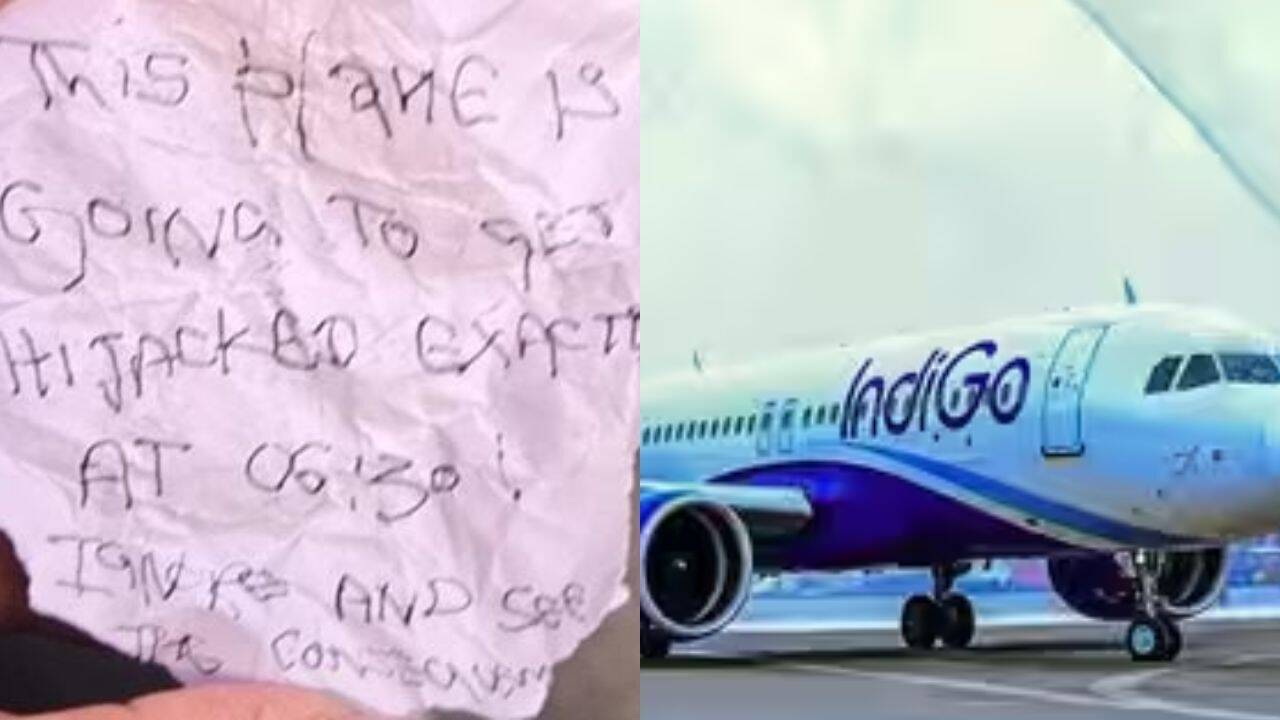
IndiGo Flight From Bengaluru to Lucknow Returns After Hijack Threat Note Found Onboard
IndiGo Flight 6E 451 Returns to Bengaluru After Hijack Threat Note A routine flight from Bengaluru to Lucknow...

4.5m Sligo Cemetery Memorial Partially Removed After Height Breach
Sligo Cemetery Memorial Partially Removed After Regulatory Breach Decorative structures adorning a grave at Sligo’s main cemetery have...